


More news on this day
American travelers are being urged to reassess upcoming international trips after the U.S. State Department renewed a worldwide caution in response to the rapidly intensifying conflict with Iran and related instability across the Middle East.
Get the latest news straight to your inbox!
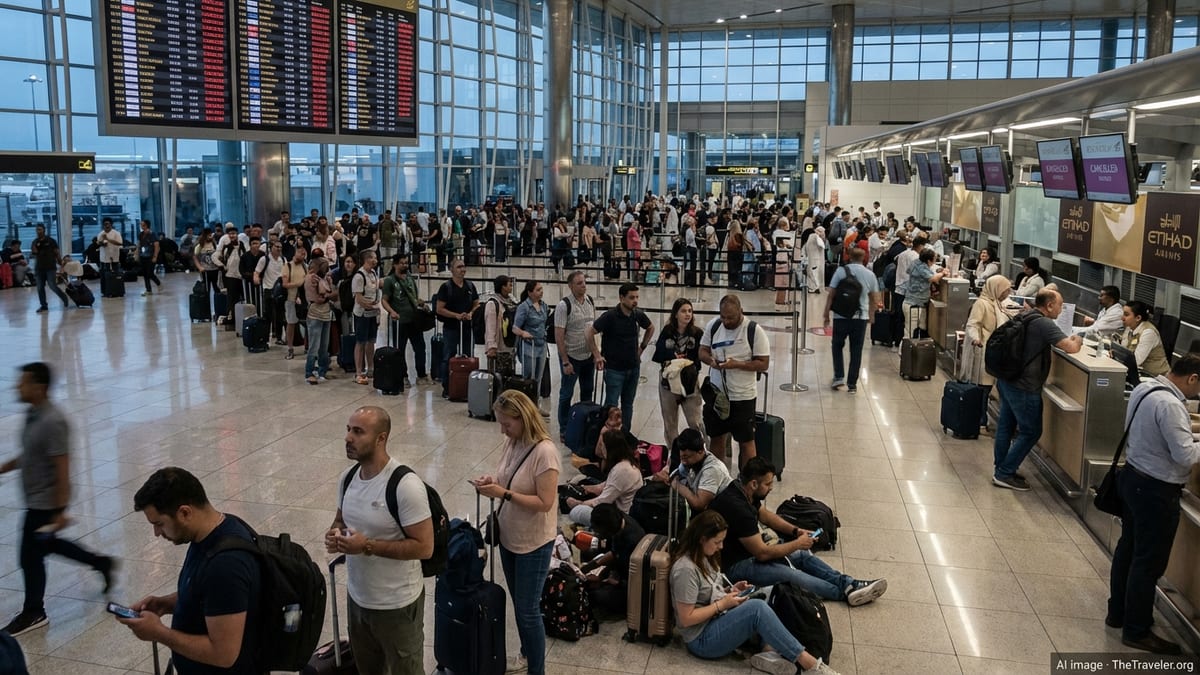
Global Warning Tied to Expanding Iran Conflict
The latest worldwide caution, updated in late March 2026, advises Americans to exercise increased vigilance in all regions and stresses a particular focus on the Middle East, where the United States and Iran remain locked in active hostilities. Publicly available State Department material on the alert highlights risks from terrorism, wrongful detention, and the possibility of violence aimed at locations associated with the United States.
The caution follows the launch of large-scale U.S. and Israeli military operations against Iran at the end of February, a campaign that has included repeated strikes on Iranian targets and retaliatory attacks across the Gulf. Reporting from international outlets describes frequent missile and drone incidents, especially around the Strait of Hormuz, a critical chokepoint for global energy shipments.
Travel analysts note that worldwide cautions are not uncommon in periods of heightened threat, but the current notice is closely linked to concerns that groups aligned with Iran or sympathetic to its position could strike American or Western-connected sites in multiple regions. The wording of the advisory points to the potential for opportunistic attacks far beyond the immediate war zone.
In practical terms, the alert does not ban travel, but it signals a broad elevation of risk for U.S. citizens abroad and encourages a more conservative approach to trip planning, especially for discretionary leisure travel.
Regional Hotspots and Disrupted Flight Corridors
The conflict has reshaped airspace patterns across the Middle East, with commercial carriers rerouting flights to avoid Iranian territory, adjacent Gulf waters, and key parts of Iraq. Aviation tracking data and published coverage from major news organizations show diversions and longer routings on popular Europe–Asia and Europe–India corridors as airlines skirt risk zones near the Strait of Hormuz.
Some countries on the Arabian Peninsula are experiencing direct spillover effects. Public State Department advisories for the United Arab Emirates and several neighboring states reference the threat of drone and missile attacks, as well as potential disruptions to commercial flights. Nonessential U.S. government personnel have already been ordered to depart certain posts in the region this year, an indicator of how quickly local security conditions can shift.
For travelers, these changes translate into longer flight times, tighter capacity on historically busy routes, and a higher risk of last-minute cancellations or diversions. Travel insurers and airline policy summaries show expanded war- and conflict-related exclusions, which can leave passengers with fewer avenues for reimbursement if an itinerary is disrupted by hostilities.
Beyond the Middle East, tourism boards and airport authorities in Europe and parts of Asia are monitoring the situation closely, wary that any further closure of air corridors could ripple outward and affect long-haul connectivity worldwide.
Heightened Security and Consular Strain Worldwide
The global warning comes as U.S. diplomatic facilities manage a prolonged period of strain linked to the Iran war. Publicly accessible reporting indicates that U.S. embassies and consulates have been reviewing their physical security and contingency plans since at least March, amid a documented uptick in hostile activity targeting American interests in Iraq and other parts of the region.
Embassy security posture directly affects travelers. When missions scale back operations or temporarily close consular sections, routine services such as passport renewals, emergency travel documents, and visa processing can be delayed or suspended. In extreme cases, U.S. citizens may have limited access to in-person assistance during crises, particularly in countries where there is no permanent American presence or where another nation acts as the protecting power for U.S. interests.
According to State Department guidance for citizens overseas, travelers are urged to enroll in the Smart Traveler Enrollment Program, monitor local news, and follow messages distributed by the nearest embassy or consulate. These notices can include information on curfews, transportation shutdowns, and demonstrations, all of which may change with little advance warning during an active regional conflict.
Consular resources are also being drawn into contingency planning for potential evacuations from high-risk posts. While such operations remain relatively rare, the planning signals a recognition that travel conditions in certain countries bordering the conflict zone could deteriorate rapidly if the war expands.
Impact on Travel Decisions, Insurance and Tour Operations
The worldwide caution is already influencing how travelers, insurers, and tour operators approach the coming months. Industry briefings suggest that some large tour companies are revising or canceling itineraries that include Gulf stopovers, even when final destinations lie outside the immediate conflict area. Niche operators that specialize in cultural or adventure travel in the broader Middle East report increased inquiries about safety, routing, and refund flexibility.
Travel-insurance providers are highlighting the limits of standard policies during wartime or declared hostilities. Many plans exclude coverage for losses caused by acts of war, meaning that travelers may not be reimbursed for cancellations, evacuations, or extended stays that result from the Iran conflict. Specialized policies that include security evacuation or political-risk coverage are available, but often at higher premiums and with strict conditions.
For independent travelers, risk calculations have become more complex. Even destinations that remain relatively calm may experience indirect effects, such as sharp swings in fuel surcharges, scarcity of award seats, or sudden changes in airline schedules if regional hubs are affected. Publicly available economic commentary connects recent volatility in oil markets to the renewed attacks near the Strait of Hormuz, creating additional uncertainty around future fare levels.
Despite these challenges, many popular tourism destinations in Europe, Asia, and the Americas remain open and continue to welcome visitors. Travel experts recommend that U.S. travelers pay closer attention to country-specific advisories, maintain flexible bookings, and consider backup plans in case transit points or overflight routes are altered by the evolving crisis.
What U.S. Travelers Should Watch in the Weeks Ahead
As the Iran conflict enters another volatile phase, the worldwide caution underscores that conditions can change rapidly, sometimes with little notice. Analysts following the war note that the tempo of military action near key maritime routes and within Iranian territory will be a critical variable for global aviation and shipping in the weeks ahead.
Travelers with plans anywhere in the broader Middle East, including popular transit hubs, are being encouraged by publicly accessible guidance to check airline notifications frequently, verify that their contact details are current with carriers and booking platforms, and review refund and change policies before departure. Airlines may respond to new strikes or diplomatic developments with rapid schedule adjustments.
Prospective visitors to countries that border or closely interact with Iran are also watching for any changes in their individual travel advisory levels. The State Department’s Iran advisory remains at the highest level, signaling that Americans are strongly urged not to travel there, while several neighboring countries continue to carry “reconsider travel” or “exercise increased caution” notices tied to potential spillover from the war.
For now, the core message to American travelers is to approach international trips with heightened situational awareness, maintain flexible arrangements, and stay informed through official public channels as the Iran conflict and its global repercussions continue to evolve.