


More news on this day
The U.S. State Department has issued a worldwide caution urging Americans overseas to exercise increased vigilance, as the intensifying conflict with Iran and related attacks across the Middle East fuel concerns about potential threats to U.S. citizens and interests far beyond the immediate war zone.
Get the latest news straight to your inbox!
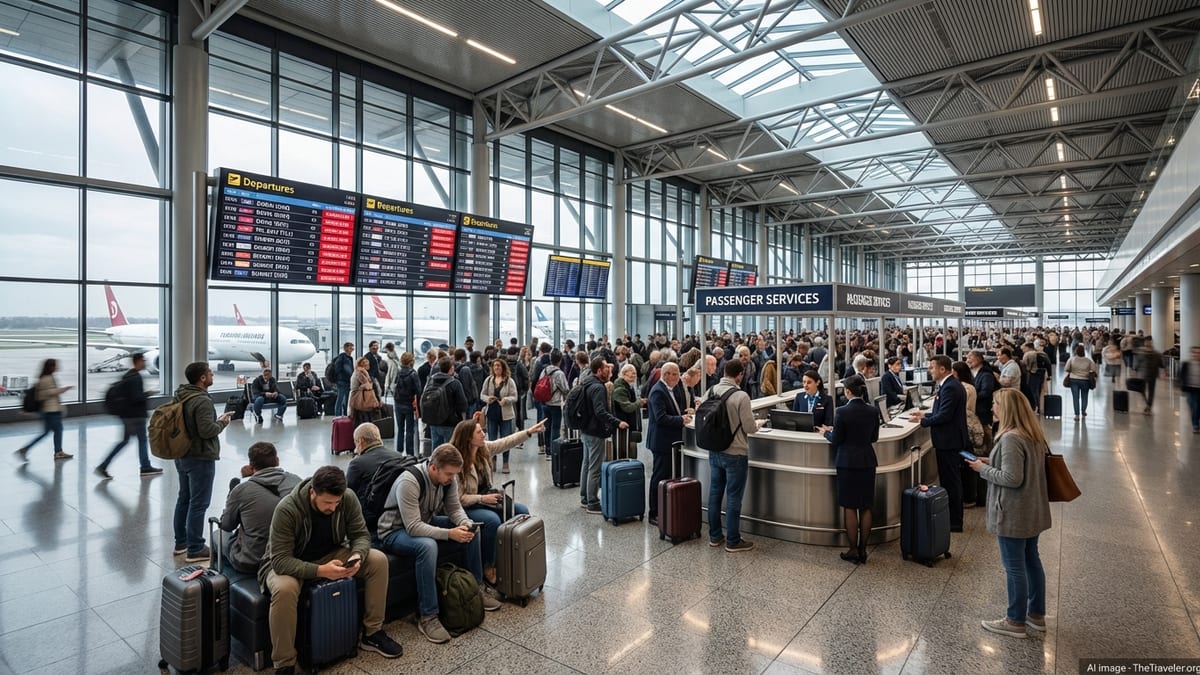
Global Alert Tied to Expanding Iran Conflict
The latest worldwide caution, updated in March 2026, outlines a broad security alert for U.S. citizens abroad that explicitly links heightened risk to the resurgence of hostilities with Iran and its regional partners. Publicly available information from official advisories notes that groups sympathetic to Iran may seek to target U.S. interests or locations associated with Americans in various regions, not only in the Middle East.
The caution follows months of military escalation, including repeated strikes around the Strait of Hormuz and attacks on shipping lanes critical to global energy supplies. Coverage from international outlets describes how renewed hostilities have unsettled oil markets and triggered fresh warnings from multilateral bodies about the potential for a wider regional conflagration.
In parallel, the State Department has maintained a Level 4 “Do Not Travel” advisory for Iran itself, citing risks that include unrest, terrorism, kidnapping, and the danger of wrongful detention for U.S. nationals. Consular materials emphasize that Washington’s ability to assist Americans in Iran is extremely limited, given the absence of formal diplomatic relations and the reliance on a protecting power arrangement.
Analysts quoted in recent reporting characterize the current phase of the conflict as volatile and difficult to contain, with cycles of strikes and counterstrikes raising the possibility that retaliatory attacks could emerge in countries hosting U.S. forces or with visible American commercial and cultural presence.
Heightened Risks for U.S. Travelers and Expatriates
The worldwide caution does not advise Americans to avoid international travel altogether, but it urges a significantly higher degree of situational awareness. Travelers are encouraged by public guidance to stay attentive to their surroundings, monitor local media, and be prepared for suddenly changing security or transportation conditions, particularly in regions close to the conflict.
In the Gulf, the war’s spillover has already affected civilian mobility. Earlier in 2026, the State Department ordered nonemergency personnel and family members to depart from certain posts in the United Arab Emirates following threats of drone and missile attacks. Travel advisories for several nearby states now highlight the possibility of cross-border strikes, disruption of air travel, and the risk that areas near military facilities could become targets.
The caution also underscores a broader terrorism concern. Materials explaining the program note that global alerts are typically issued when officials assess a sustained, worldwide increase in threat levels directed at Americans, U.S. companies, or symbolic sites such as embassies, hotels frequented by Western visitors, or major public events. In the current context, those risks are framed as connected to anger over the Iran conflict and the U.S. military presence in the region.
For Americans living overseas, the advisory stresses the importance of keeping travel documents current, informing family members of itineraries, and knowing how to access emergency information from local embassies and consulates. While routine services continue in many posts, recent reporting shows that diplomatic facilities have been ordered to reevaluate security postures in light of the evolving Iran-related threat environment.
Diplomatic Posts Reassess Security Worldwide
According to published coverage of internal communications, U.S. diplomatic missions were instructed in March 2026 to conduct immediate security reviews because of the Iran war and possible spillover effects. That step reportedly marked a shift from earlier, regionally focused directives to a more global assessment of vulnerability, reflecting concerns that the conflict could prompt attacks far outside the Middle East.
Security upgrades at embassies and consulates can range from tightening access controls and restricting staff movements to temporarily suspending some public services. In certain locations close to active fronts, posts have periodically curtailed nonessential operations or relocated meetings away from high-profile compounds in response to changing threat assessments.
The move to pair the worldwide caution with internal security reviews illustrates how the Iran conflict is reshaping diplomatic risk calculations. U.S. facilities have been frequent targets during previous regional crises, and recent reports cite a high number of attacks on missions in Iraq and neighboring states since hostilities with Iran reignited. That history informs the current push to strengthen defenses and contingency plans.
Host governments are also adjusting. Regional media accounts describe stepped-up air defense activity in several Middle Eastern states as they seek to intercept missiles and drones linked to the conflict. Such measures can themselves disrupt civil aviation and urban life, indirectly affecting travelers and expatriate communities even when they are not the intended target of attacks.
Energy Routes and Aviation Facing New Disruptions
The Iran crisis has again placed the Strait of Hormuz at the center of global concern. Renewed attacks on vessels transiting this narrow maritime chokepoint, documented in recent United Nations updates, have raised questions about shipping security and the resilience of supply chains for oil and liquefied natural gas. Insurance costs and rerouting decisions by carriers can translate into higher prices and longer journeys for passengers and cargo alike.
Commercial aviation is also feeling the impact. Airlines serving the Gulf and parts of the eastern Mediterranean have had to adjust routes to avoid conflict zones and potential missile corridors, in some cases adding time and cost to flights. Public travel advisories highlight the possibility of sudden airport closures, flight cancellations, or restricted airspace if tensions spike, particularly in countries hosting U.S. military bases or positioned along key approach paths.
Travel industry observers note that while most destinations remain open, the environment is increasingly fragmented. Some hubs continue to operate near normal levels, while others face periodic disruptions tied to rocket or drone alerts. This patchwork risk landscape aligns with the worldwide caution’s message that Americans should be prepared for abrupt changes rather than assume predictable travel conditions.
Travel insurers and corporate security firms are updating their guidance as conditions evolve, often recommending that clients review war and terrorism clauses, contingency evacuation options, and alternative routing. These private sector adjustments, when combined with official cautions, signal that the Iran conflict is reshaping the risk calculus for international travel, even for those not heading directly into the most affected areas.
Practical Steps for Americans Considering Overseas Travel
Against this backdrop, publicly available guidance urges U.S. citizens to take several practical steps before and during trips abroad. Travelers are encouraged to review country-specific advisories, paying attention not only to the overall level but also to the risk factors highlighted, such as terrorism, civil unrest, or wrongful detention. In the current context, destinations located along the Gulf or hosting large U.S. installations warrant particular scrutiny.
Enrollment in government traveler enrollment programs is widely recommended, as it enables embassies to disseminate security alerts and other critical updates directly to Americans in affected areas. During periods of heightened tension related to Iran, such messages may include information about demonstrations, changes to local security measures, or shifts in consular operating hours.
Experts cited across travel and security publications frequently advise maintaining a low profile, avoiding large crowds and political gatherings, and having backup plans for accommodation and transportation. Keeping copies of important documents, knowing local emergency numbers, and identifying safe areas or alternative routes within cities can all reduce vulnerability if a situation deteriorates quickly.
While the worldwide caution highlights serious and evolving risks, it also reflects a long-standing approach to crisis management: informing citizens of potential dangers so they can make more informed choices. As the Iran conflict continues to evolve, Americans weighing international travel are being asked to factor a less predictable security environment into their plans, balancing the benefits of global mobility against the realities of a widening regional war.