


More news on this day
Severe thunderstorms sweeping through the Mid-Atlantic have caused hundreds of flight delays and cancellations at Philadelphia International Airport and forced repeated weather-related shutdowns of the FIFA Fan Festival at Lemon Hill, disrupting travel and World Cup celebrations across the city.
Get the latest news straight to your inbox!
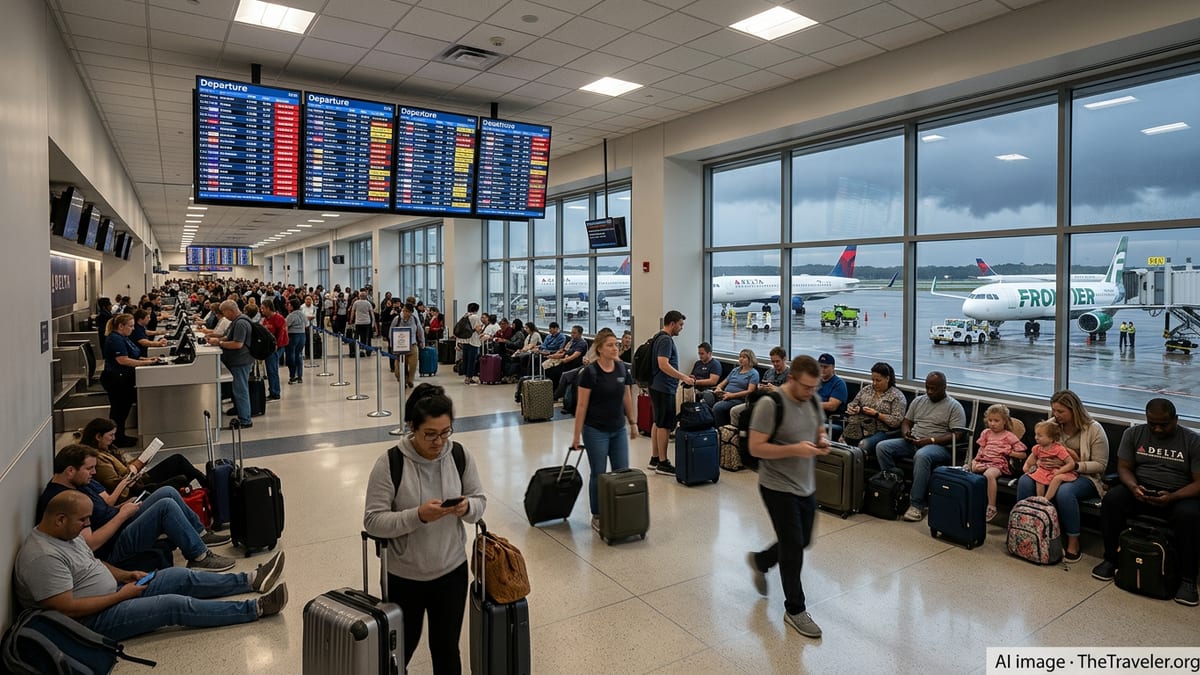
Thunderstorms Trigger Major Air Travel Disruptions
Thunderstorms moving through the Philadelphia region in recent days have created significant delays for air travelers, with air traffic control programs slowing arrivals and departures at Philadelphia International Airport. Publicly available aviation status pages showed weather-related arrival delays at the airport stretching well beyond an hour at times, as traffic headed for Philadelphia was held on the ground or rerouted.
Operations data indicated that thunderstorms and low clouds reduced the rate at which flights could land, forcing the use of ground delay programs that ripple across the national network. These measures typically result in pushed-back departure times at origin airports, congested taxiways, and a wave of missed connections for passengers trying to reach Philadelphia or make onward flights.
While exact tallies shift throughout the day, airline tracking platforms and airport status tools have reported hundreds of delays linked to storms in the busy World Cup period, along with cancellations as carriers consolidate schedules or reroute aircraft around storm cells. Travelers have been urged through airline alerts and airport messaging to check flight status frequently and allow additional time for connections.
Industry analyses of similar weather events show that severe convective storms can rapidly degrade capacity at major hubs, with even brief windows of lightning or heavy rain producing long-lasting knock-on effects. The current disruptions in Philadelphia mirror patterns seen in previous seasons, where outages caused by storms extend well beyond the immediate period of bad weather.
FIFA Fan Festival Faces Closures at Lemon Hill
The same storm systems causing trouble in the skies have also repeatedly disrupted festivities on the ground at the FIFA Fan Festival in Philadelphia. The open-air event at Lemon Hill in East Fairmount Park, designed as a daily centerpiece of the World Cup experience in the city, has faced temporary closures on multiple days because of severe weather.
According to published coverage from local media, the festival shut down early on several occasions when forecasters warned of strong thunderstorms, lightning, and damaging winds around the city. In late June and early July, organizers announced late-afternoon closures as storms moved toward the region, cutting short viewing parties for key matches and forcing fans to clear the site.
One widely reported closure came on a Sunday evening when forecasted storms led organizers to cancel remaining activities and match screenings for the day. Reports indicated that fans hoping to watch a high-profile knockout match were turned away after a severe thunderstorm watch was issued for the wider Philadelphia area.
City emergency management documents and publicly shared planning materials had warned ahead of the tournament that summer weather in June and July frequently brings severe storms, and that large outdoor gatherings such as the FIFA Fan Festival could be subject to rapid evacuation if lightning or high winds posed a risk to spectators.
World Cup Match in Philadelphia Delayed as Weather Intensifies
World Cup play at Philadelphia’s stadium has not been immune to the turbulent conditions. Recent coverage by weather services and local outlets described a group-stage match involving France and Iraq that was affected by storms moving across the metropolitan area, prompting delays that rippled through both the stadium and the fan festival.
Reports indicate that entry to the stadium was initially delayed as organizers monitored approaching storms and lightning in the vicinity. Once play began, thunderstorms later forced a suspension of the match at halftime, with spectators asked to shelter while the worst of the weather passed. The interruptions lengthened the match window and complicated travel plans for fans relying on regional transit and flights after the game.
At the same time, the companion fan festival at Lemon Hill was closed for the rest of the day, cutting off one of the main gathering points for supporters who were not inside the stadium. Coverage from local broadcasters and weather-focused outlets described fans enduring heavy downpours elsewhere in the region, underscoring how quickly conditions deteriorated across multiple venues.
The combination of stadium delays, festival closures, and transport disruption highlighted the vulnerability of large-scale events to severe summer storms, particularly when thousands of visitors are moving between fan zones, hotels, and the airport on tight schedules.
Impact on Visitors, Local Economy and Logistics
The timing of the storms has proved especially challenging for Philadelphia, which is managing a convergence of World Cup crowds, peak summer travel, and other seasonal events. The FIFA Fan Festival is scheduled to operate daily through July 19, with city planning documents projecting daily attendance that can reach tens of thousands on marquee match days. Each closure or early shutdown has an immediate effect on vendors, performers, and nearby businesses counting on sustained foot traffic.
Travel disruptions at the airport add another layer of complexity. Delayed and canceled flights can strand visiting supporters overnight, create surges in hotel demand, and increase pressure on local transport links as crowds attempt to rebook travel or adjust plans. For airlines, weather-related events near a major hub often require aircraft repositioning and crew rescheduling, with operational decisions sometimes extending disruptions into subsequent days.
For local residents, repeated weather interruptions have meant sudden changes to daily routines, from detours around road closures near Lemon Hill to shifting transit patterns on match days. Some neighborhood and commuter commentary has expressed frustration about the unpredictability of closures at the festival, particularly when storms develop quickly and cancellation decisions come late in the afternoon or evening.
Event plans prepared by city agencies had anticipated the risk of severe weather, emphasizing evacuation procedures, communication channels, and alternative routes for visitors. The recent storms have effectively stress-tested those systems in real time, demonstrating both the importance of rapid coordination and the practical limits of outdoor programming during a volatile summer weather pattern.
What Travelers and Fans Can Expect in the Coming Days
With the World Cup schedule in Philadelphia continuing through mid-July, weather remains a critical variable for both air travelers and visitors heading to the FIFA Fan Festival. Seasonal climatology and guidance from local emergency management officials note that severe storms are a recurring feature of the region’s summer pattern, particularly in the late afternoon and evening hours.
Air passengers booked to or from Philadelphia in the current period are being advised through airline channels and aviation tracking services to monitor their flight status closely and to plan for potential ground holds or reroutes if thunderstorms redevelop. Allowing extra time for connections and considering earlier flights on critical travel days are among the strategies often recommended by travel specialists during active storm cycles.
For fans, organizers and city resource hubs continue to promote basic safety steps, including monitoring forecast updates, packing rain gear and hydration, and being prepared to follow on-site instructions if lightning is detected near the festival or stadium. The open layout of Lemon Hill offers expansive viewing areas but also leaves attendees exposed when severe weather moves in, making rapid clearances essential when storm alerts are issued.
Despite the recent interruptions, Philadelphia’s fan festival and match days have already drawn large crowds and generated positive reviews from many visitors. As the tournament progresses, the city’s ability to navigate further storms while maintaining safe and enjoyable experiences for travelers and soccer supporters will remain a central test of its World Cup hosting strategy.