


More news on this day
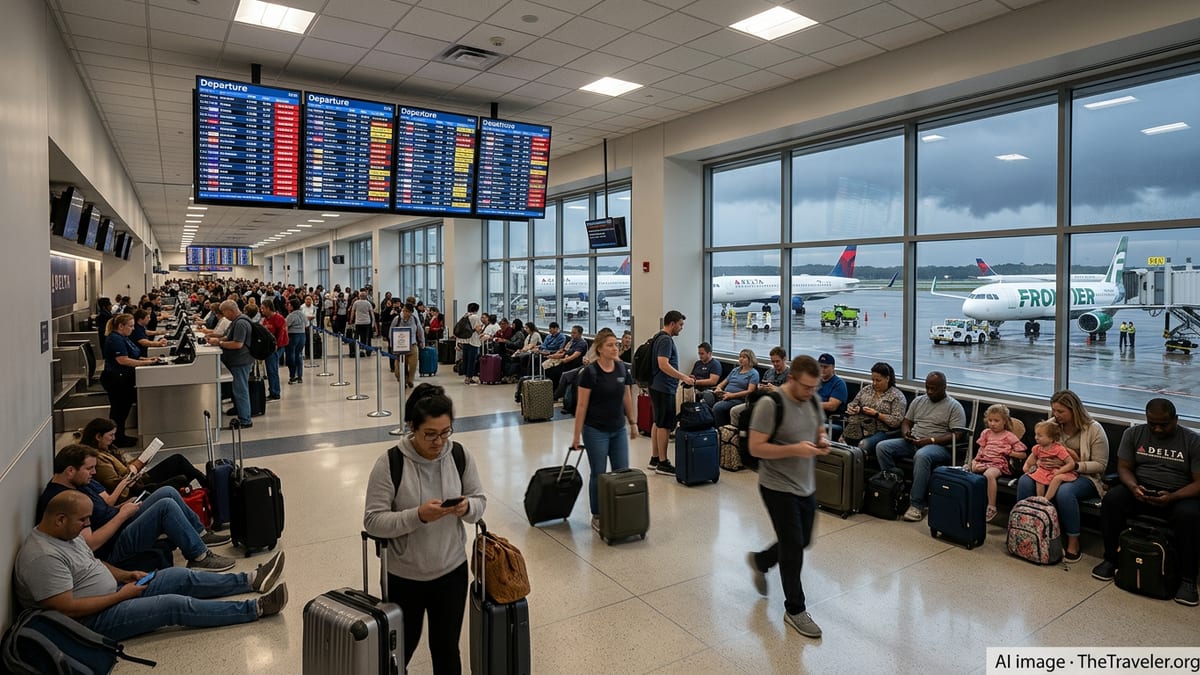
Strong thunderstorms and intense rain over Mallorca on 9 September have caused major delays at Palma de Mallorca Airport, disrupting peak-season traffic and leaving many holidaymakers facing extended waits on the ground and in the air.
Get the latest news straight to your inbox!
Orange Weather Alert Hits Busy Holiday Hub
According to published coverage, the entire Balearic archipelago, including Mallorca, was placed under an orange alert for severe weather on 9 September, with forecasts of heavy rain, thunderstorms, hail, and wind gusts exceeding 90 kilometers per hour. The storm system coincided with the morning rush at Palma de Mallorca Airport, one of Spain’s busiest tourist gateways, amplifying the impact on operations and passenger flows.
Reports from local media indicate that the adverse conditions began to affect flights early in the day, with low visibility, lightning activity, and strong crosswinds combining to slow movements on the runway. Ground operations also faced challenges as intense downpours moved across the airfield, limiting the safe handling of aircraft on stands and delaying the loading and unloading of baggage.
Data from Spain’s state meteorological service show periods of intense rainfall and elevated wind speeds at the Palma airport weather station on 9 September, consistent with the alerts issued for the wider island. This type of convective storm pattern is typical in the western Mediterranean in early autumn and has historically been linked to spikes in delay minutes at airports in the region.
Arrivals and Departures Experience Cascading Disruption
Publicly available flight information on Wednesday pointed to a noticeable build-up of delays on both arriving and departing services at Palma. Departure boards showed a succession of flights pushed back, in some cases by more than an hour, as aircraft waited for slots that matched the reduced flow rates imposed for safety during the worst of the weather.
On the arrivals side, several inbound flights from mainland Spain and other European destinations were reported as significantly late, while others were placed in holding patterns or sequenced more widely apart in response to the storm cells moving around the island. In previous severe-weather episodes, such as documented diversion events in recent technical reports on Palma operations, approach rates have been temporarily reduced to zero until conditions improved, highlighting how quickly thunderstorm activity can constrain traffic.
Passengers connecting through Palma or relying on tight turnaround schedules were particularly exposed to the cascading effects of the disruption. When aircraft arrive late, subsequent departures are often delayed in turn, and even brief periods of intense weather can ripple through timetables for much of the day. Industry analyses of recent summers have shown Palma regularly handling several hundred daily flights, so even a modest loss of capacity can result in queues that take hours to clear.
Recent Strain on Network Adds to Passenger Frustration
The latest weather-related disruption follows a period of strain on the wider European network serving Palma. In the days leading up to the storm, technical issues in UK air traffic control systems had already led to cancellations and delays on routes linking British airports with Mallorca, according to travel advisories and aviation-focused outlets. Those knock-on effects left some services operating out of position or on altered schedules before the bad weather arrived.
Historical punctuality data for Palma de Mallorca Airport show that the hub is sensitive to seasonal peaks and meteorological conditions, with previous Eurocontrol and airport punctuality reports identifying summer and early autumn as periods when thunderstorms can trigger noticeable spikes in departure delays. While typical average hold-ups are in the tens of minutes, convective weather events can push individual delays significantly higher.
For travelers, this combination of earlier network disruption and fresh weather impacts on 9 September translated into crowded terminals and longer waits at gates. Families departing from the island at the end of late-summer holidays, as well as inbound tourists beginning their trips, encountered reduced predictability about actual departure and arrival times compared with scheduled timetables.
Advice for Travelers Using Palma During Unsettled Weather
Travel organizations and airport information services generally recommend that passengers flying during periods of unsettled weather build extra time into their plans, particularly at large leisure hubs such as Palma. Checking flight status directly with airlines and monitoring airport information feeds before leaving for the terminal can help travelers anticipate whether check-in and boarding are likely to run on time.
Travelers are also encouraged to be prepared for potential gate changes or reassignments, which become more frequent when storm systems force adjustments to runway configurations or ground handling sequences. For those with onward connections, especially on separate tickets, publicly available travel guidance often suggests allowing generous layover windows, as even relatively short weather disruptions at Palma can translate into missed onward flights at other hubs.
In addition, recent experience from other major weather events in Europe indicates that flexible ticket options, travel insurance that covers delays, and digital check-in tools can help reduce some of the stress associated with rapidly changing operational conditions. While Mallorca’s climate is generally favorable, the sharp, sometimes localized storms that develop in late summer and early autumn mean that even a single morning of bad weather, such as that seen on 9 September, can temporarily challenge one of the Mediterranean’s busiest holiday airports.
Outlook as Storm System Moves Away
Meteorological data for the western Mediterranean suggest that the intense storm cells affecting Mallorca on 9 September are expected to weaken as they move away from the islands, allowing more stable conditions to return. As weather improves, traffic flows at Palma de Mallorca Airport typically recover over the course of the day, with airlines working through backlogs and repositioning aircraft as necessary.
However, aviation delay statistics and past case studies show that the operational impact of a severe-weather morning can continue to be felt into the evening, particularly on busy days with limited spare capacity. Crews may reach duty-time limits, aircraft rotations can remain out of sync, and some services may experience residual delays even after skies have cleared over the island.
For passengers scheduled to travel in the aftermath of the storm, monitoring airline communications and airport updates remains important until operations fully normalize. As the late-summer season continues and sea temperatures remain high, forecasters note that further episodes of intense thunderstorms cannot be ruled out, meaning travelers using Palma de Mallorca Airport in the coming days may still wish to plan with a degree of additional flexibility.
Majorca Daily Bulletin coverage of Palma airport delays
Última Hora report on weather-related delays at Palma