


More news on this day
Thunderstorms moving across the Phoenix metro area have disrupted flight operations at Phoenix Sky Harbor International Airport, where published tracking data showed widespread delays and a wave of cancellations as weather conditions intensified.
Get the latest news straight to your inbox!
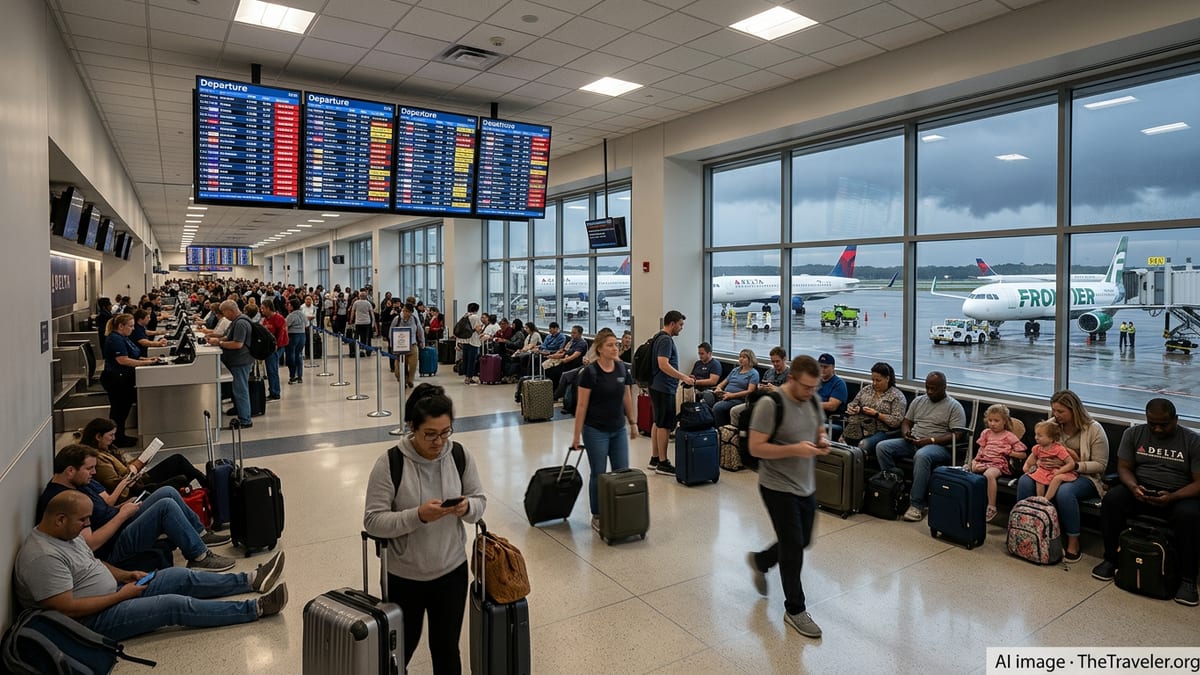
Ground stops and delays ripple through the day’s schedule
Published coverage and aviation-status data indicate the Federal Aviation Administration implemented weather-related traffic management at Phoenix Sky Harbor on Wednesday, September 16, 2026, as storms moved through the area. Reports described a ground stop that began around midday and was scheduled through early afternoon, followed by a second ground stop later in the afternoon as storm impacts continued.
By mid-afternoon, flight-tracking tallies showed hundreds of disruptions, with delays outnumbering cancellations by a wide margin. One widely published snapshot from that afternoon put the count at 237 delayed flights and eight cancellations as of 3 p.m. local time, underscoring how quickly convective weather can compress the airport’s arrival and departure flows.
Sky Harbor’s public-facing flight information also reflected the disruption earlier in the day, including more than 80 delayed flights and single-digit cancellations around early afternoon, according to published coverage. Because different sources timestamp their counts at different moments, the totals can vary throughout the day as airlines adjust schedules and aircraft rotations.
Storm hazards over Phoenix: heavy rain risk and lightning impacts
Weather information distributed by the National Weather Service for the Phoenix area highlighted a Flood Watch that was in effect on September 16 from 12:00 a.m. through 11:00 p.m. local time. That kind of all-day window matters for aviation because it signals prolonged potential for heavy downpours and repeated rounds of storms rather than a brief, pass-through shower.
Beyond rain, thunderstorms bring operational hazards that often trigger the most immediate airport slowdowns. Lightning in the vicinity can pause ramp activity, limiting the ability to load bags, fuel aircraft, or marshal planes at gates. Even when runways remain usable, these ground-handling interruptions can cascade into departure queues and missed connection windows.
Monsoon-season storm setups in central Arizona can also produce sudden wind shifts and outflow boundaries, which can change runway configurations and spacing between aircraft. Those changes reduce arrival rates, making it harder for the airport to “catch up” once a bank of delayed flights has built up.
What travelers should expect at PHX during weather-driven disruptions
When storms force traffic management at a major hub like Sky Harbor, travelers commonly see delays spread across multiple airlines and routes. A flight may be on time at its origin but still arrive late to Phoenix if airborne holding becomes necessary or if gates are unavailable due to earlier delays. Departures can also be delayed if the inbound aircraft is late, even after the worst weather has moved away from the terminal area.
Travelers should be prepared for rolling changes to departure times, gate assignments, and boarding windows. During storm days, airlines often update schedules incrementally as forecasts evolve and as aircraft and crew availability becomes clearer. Checking an airline’s app, airport flight boards, and real-time tracking services can help passengers understand whether the delay is local to Phoenix or tied to conditions at a departure city.
It also helps to plan for ground-side impacts. Heavy rain can slow traffic approaching the terminals, and localized flooding can disrupt access routes around the metro. Allowing extra time for drop-offs, parking, and security is a practical hedge on days when a Flood Watch is posted for the region.
Why delays can persist after storms ease
Even after thunderstorms weaken, disruption can linger as airlines work to reposition aircraft and crews. A single stormy afternoon can throw off tightly timed turnarounds, and once flights are delayed into evening banks, the ripple can extend into the following morning’s departures if aircraft end the night away from their intended stations.
FAA traffic management actions such as ground stops are designed to prevent airborne congestion and manage arrival demand when conditions at the destination aren’t safe or efficient. That keeps aircraft from stacking up in the sky, but it also means passengers may wait on the ground at their origin airports, sometimes far from Arizona, as flights are metered into Phoenix.
For travelers impacted by the Sky Harbor disruptions, the most practical next steps are to monitor rebooking options early, consider later departures that allow the network more time to recover, and keep an eye on local weather alerts through the evening, since additional storm redevelopment can trigger renewed restrictions.