


More news on this day
Transborder air travel between Canada and the United States faced fresh disruption after a strong odour in the U.S. preclearance area at Montreal–Trudeau International Airport led to a temporary halt in customs processing and the cancellation or delay of multiple flights.
Get the latest news straight to your inbox!
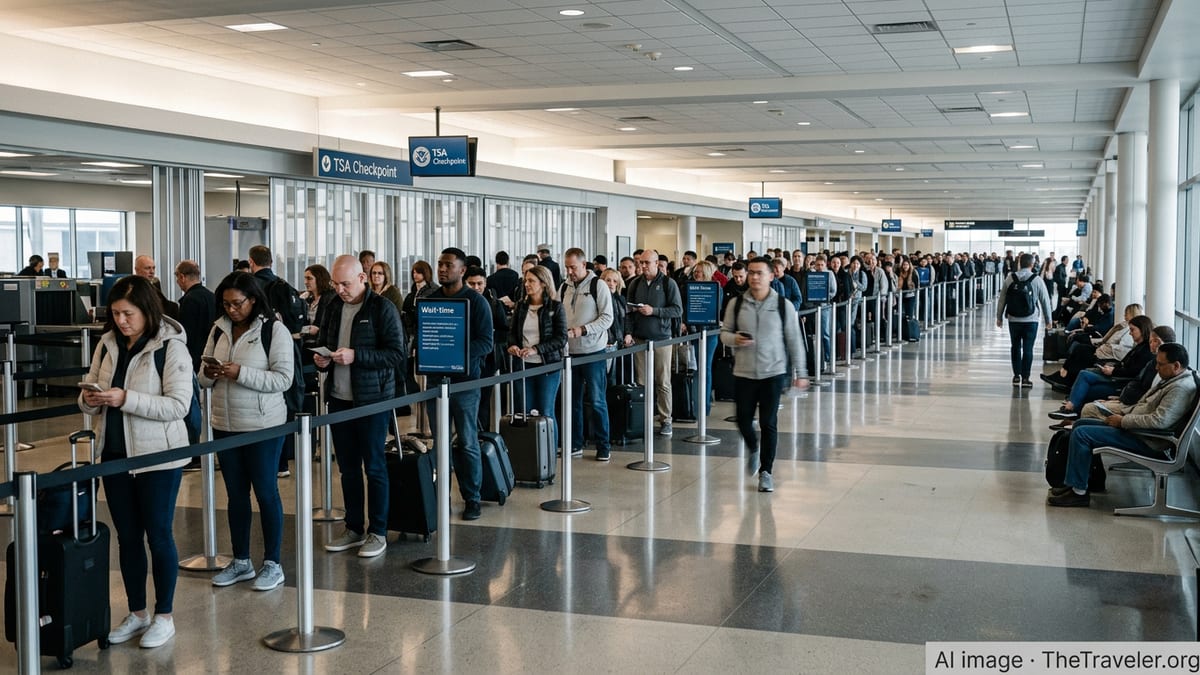
Customs preclearance halted after odour detected
According to early reports, operations in the U.S. Customs and Border Protection preclearance zone at Montreal–Trudeau were suspended after a strong, unexplained odour was detected in part of the facility. The affected area handles security and immigration checks for passengers on flights bound for U.S. destinations, a core function of the airport’s transborder operations.
Publicly available information indicates that, as a precaution, processing at the impacted checkpoints was paused while the source of the smell was investigated. Passengers already inside the preclearance corridor reportedly faced extended waits, while others were held back from entering the zone, effectively freezing the flow of departing U.S.-bound travellers.
At the time the issue emerged, Montreal–Trudeau was handling its usual mix of business and leisure traffic, including peak summer itineraries linking the city with major hubs in the northeastern United States. The incident quickly created pressure on departure banks that rely on tight schedules and coordinated arrival times at connecting airports.
Initial indications from flight tracking and airport operations data suggest that the interruption lasted long enough to trigger rolling disruptions across several afternoon and evening departures.
Multiple U.S.-bound flights cancelled or significantly delayed
The halt in customs processing had immediate consequences for airlines operating out of the U.S. departures concourse. Schedules reviewed in the aftermath show that several flights to U.S. cities were cancelled outright, while others departed with substantial delays as carriers attempted to regroup around the sudden loss of processing capacity.
Airlines generally require all passengers on U.S.-bound services from Montreal to clear American formalities before boarding. When preclearance is not available, carriers face limited short-term options: rerouting passengers through other Canadian gateways, seeking later departure slots, or cancelling flights when minimum connection times and crew duty limits can no longer be met.
In practice, the odour-related suspension appears to have created a bottleneck that rippled across the afternoon and early evening schedule. Travellers reported missed connections at onward hubs, longer-than-expected stays in Montreal and, in some cases, overnight rebooking on alternative routings through Toronto and other Canadian airports.
Operational data also point to knock-on effects for baggage handling and aircraft turnaround times, as aircraft assigned to cancelled U.S. routes had to be repositioned or held at gates while airlines reassessed their plans.
Safety protocols and investigation into the source
Available coverage indicates that the response followed established safety and security protocols, with the priority placed on protecting passengers and staff in the confined preclearance environment. Strong or unusual odours in terminal areas can be associated with a range of causes, from cleaning agents and mechanical faults to more serious air quality or hazardous materials concerns, prompting a cautious approach.
As of the latest information, the precise source of the smell had not been fully detailed in public reporting. However, the decision to halt processing suggests that on-site teams treated the situation as a potential air quality issue until it could be assessed and the area deemed safe for normal operations.
The incident has drawn attention to the complexity of managing shared facilities where Canadian airport authorities, U.S. border officials and multiple airlines operate in a tightly coordinated space. Any disruption in one part of the system, even unrelated to core security functions, can have outsized impacts during busy travel periods.
Industry observers note that preclearance terminals, by design, combine security screening, immigration controls and gate access in an enclosed footprint, which can intensify the operational impact when an area must be evacuated, inspected or temporarily closed.
Impact on passengers and wider travel network
For travellers, the disruption translated into long queues, missed connections and significant uncertainty about departure times. Flight-tracking platforms and social media posts reviewed in the wake of the incident describe crowded corridors near the transborder gates and repeated schedule changes as airlines tried to adapt to the evolving situation.
Because Montreal–Trudeau serves as both an origin and connecting point for U.S.-bound passengers from across Quebec and Atlantic Canada, the suspension of customs operations had a reach beyond the city itself. Passengers arriving from domestic or international flights to connect onward to U.S. destinations were among those most affected, as their itineraries depended on smooth passage through the preclearance zone.
Travel industry analysts point out that disruptions in a preclearance facility can also create challenges for downstream airports in the United States. When flights are cancelled or heavily delayed at the origin, connecting flows through major hubs are reduced or reshuffled, complicating gate assignments, crew rotations and passenger reaccommodation at those locations.
The episode adds to a season marked by weather-related delays, air traffic flow restrictions and capacity constraints across North American aviation, intensifying frustration among travellers already facing a volatile summer of air travel.
Questions over resilience of preclearance operations
The odour-related shutdown has prompted wider questions about the resilience of preclearance systems and the contingency options available when core processing areas are rendered temporarily unusable. While safety considerations justify conservative responses to unexplained smells, the incident underscores how quickly a localized issue can paralyze a critical chokepoint in the international travel chain.
Airport planning specialists have long highlighted the need for redundancy in security and border-control infrastructure, including the ability to shift passenger flows to alternate screening lines or backup facilities. In practice, retrofitting additional capacity into existing preclearance halls can be difficult, especially in terminals that are already space constrained.
Publicly available policy discussions point to growing interest in using technology, such as advanced risk assessment and biometrics, to reduce processing times and ease congestion. However, events like the Montreal odour incident show that physical disruptions, rather than just staffing or processing speeds, remain a key vulnerability.
As operations return to normal, airlines, airport managers and government partners are expected to review the sequence of events and assess whether additional ventilation measures, monitoring systems or contingency plans could reduce the impact of similar incidents in the future, particularly during peak travel periods when even short suspensions can lead to widespread cancellations.