


Few travel decisions shape your Istanbul experience as much as where you stay. For most visitors, that choice quickly narrows to two districts: Taksim, the modern hub around bustling Taksim Square and Istiklal Street, or Sultanahmet, the historic peninsula wrapped around the Hagia Sophia and Blue Mosque. Both are central, both are well connected, and both can work brilliantly for first-time trips, but they deliver very different moods and practical realities.
Get the latest updates straight to your inbox!
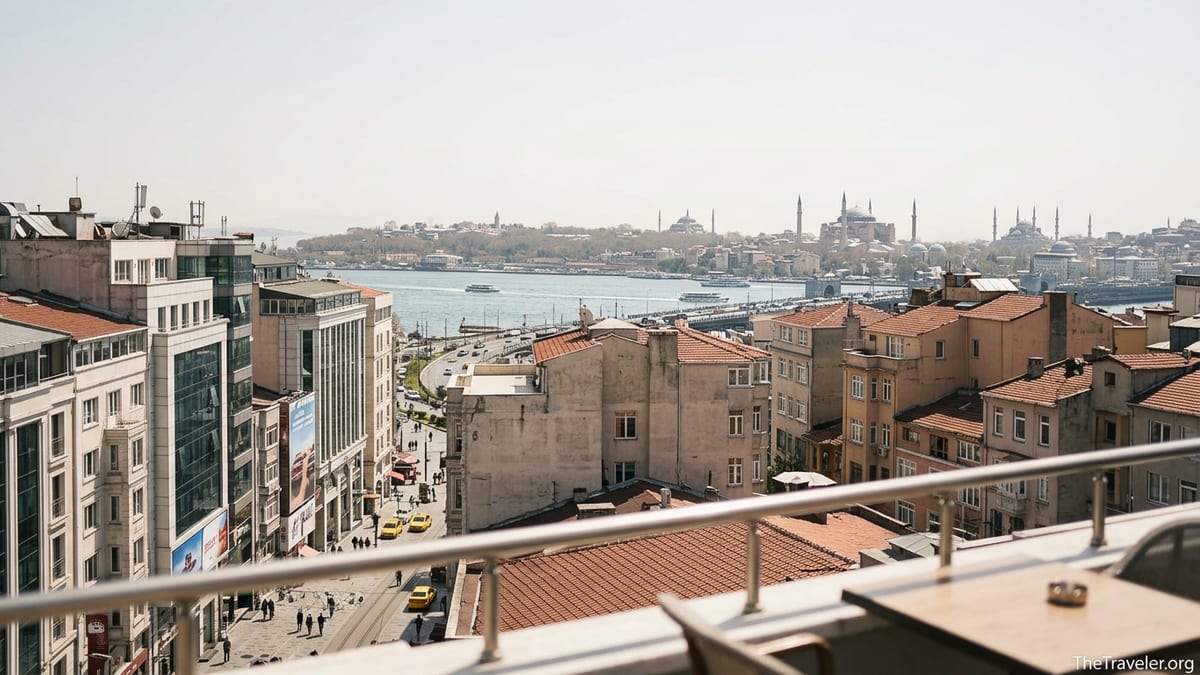
Overview: Two Very Different Hearts of Istanbul
Taksim sits on the European side in the Beyoglu district, north of the Golden Horn. It is the modern, energetic heart of the city, wrapped around Taksim Square and the long pedestrian Istiklal Street. This area is packed with bars, live music venues, meyhanes, international chains, small boutiques and late-night food options. It feels like a big, busy city at almost all hours.
Sultanahmet is on the historic peninsula, south of the Golden Horn. It is the postcard Istanbul of domes and minarets, where you can walk between the Hagia Sophia, Blue Mosque, Topkapi Palace, Basilica Cistern, and the Hippodrome in minutes. Evenings are quieter, streets thin out when tour groups leave, and much of the activity revolves around sightseeing, souvenir shops and classic Turkish restaurants.
In practical terms, think of Sultanahmet as a compact open-air museum that happens to have hotels inside it, and Taksim as a large modern neighborhood that happens to be very convenient for getting almost anywhere. Where you stay depends on whether you prefer to wake up to call to prayer echoing off 1,500-year-old walls, or step out into a city that feels closer to contemporary Istanbul life.
Most first-time visitors either base entirely in one of these areas or split their time, for example 2 or 3 nights in Sultanahmet for the main sights and 2 or 3 nights in or around Taksim for nightlife, shopping and neighborhood exploring.
Nightlife vs Quiet Evenings
If nightlife is a priority, Taksim has a clear edge. The streets radiating from Istiklal Avenue are lined with casual bars, rooftop terraces, live music spots and late-opening meyhanes serving raki and shared meze. On a typical weekend, you might grab a 120–160 TL draft beer in a relaxed bar, then move on to a venue with live Turkish rock or jazz, and finish with street food like kokoreç or a doner wrap in the early hours. Crowds skew young, and things start to feel lively after about 9 or 10 p.m.
Within a 10–15 minute walk of Taksim Square, you can move between very different scenes: a low-key wine bar in Cihangir, a louder club off Istiklal with DJs until 3 a.m., or a nostalgic meyhane tucked into a side passage. Many visitors never need a taxi for a full night out. This density of venues simply does not exist in Sultanahmet.
Sultanahmet, in contrast, winds down early. After dark you will still find terrace restaurants with views of the illuminated Hagia Sophia, and a handful of hotel rooftop bars where a glass of wine or Efes beer might cost 250–350 TL largely for the view, but the district is not a nightlife center. By 11 p.m. many streets are quiet, and shops pull down their shutters. For families, early risers or anyone wanting peaceful evenings, this slower pace is a feature, not a flaw.
If you are looking for more local-feeling nightlife but find the streets directly off Taksim a bit too intense, consider staying a few blocks downhill toward Cihangir or closer to Galata; both are still walkable from Taksim but feel more residential while keeping easy access to bars, cafes and restaurants.
Historic Sights and Classic First-Time Itineraries
Sultanahmet is unmatched for classic sightseeing convenience. Within a 10-minute walk you can reach the Hagia Sophia, Blue Mosque, Basilica Cistern, Hippodrome, and the entrance to Topkapi Palace. The Grand Bazaar and Spice Bazaar are one or two tram stops away or a moderate walk. For a typical first-time itinerary that includes all the headline monuments, staying in Sultanahmet means you can see most of them without ever boarding a tram or taxi.
For example, a three-day first-time plan based in Sultanahmet might look like this in practice: Day one, you walk out of your hotel by 8:30 a.m., stroll five minutes to the Hagia Sophia for opening time, then cross the square to the Blue Mosque, followed by a late breakfast at a nearby cafe. After a break back at the hotel in the heat of the day, you head to the Basilica Cistern mid-afternoon and watch the sunset from a rooftop terrace. All of that happens on foot, with no transfers or ticket machines to figure out on your first jet-lagged day.
From Taksim, you can still reach these sights fairly easily using the F1 funicular down to Kabatas and the T1 tram to Sultanahmet, or by taking the M2 metro to Vezneciler or Haliç and connecting to the tram. In real terms, you are looking at roughly 25–35 minutes of travel each way, plus walking and waiting times. That is perfectly manageable, especially if you are comfortable with public transport, but less convenient than staying next door to the monuments.
If your trip is very short, say two full days, and your priorities are strongly historic, Sultanahmet will usually make more sense. If you have longer, or plan to spend as much time exploring Asian-side neighborhoods, cafes and markets as you do at famous mosques, then Taksim or nearby districts like Karaköy or Galata can be a better base.
Transport, Getting Around and Airport Access
Both Taksim and Sultanahmet are well served by public transport, but they connect into the network differently. Taksim is a major interchange: the M2 metro runs north–south through the city, the F1 funicular links Taksim to Kabatas for the T1 tram and Bosphorus ferries, and airport-bound shuttles and buses have long used Taksim as a departure point. From Istanbul Airport, you can now ride the metro most of the way and change to the M2 line to reach Taksim without stepping into a taxi, which many visitors appreciate for cost and predictability.
From a Taksim hotel near the square, a typical sightseeing day might begin by tapping your Istanbulkart at the metro station, riding one or two stops south, then changing to a tram for Sultanahmet, or staying on to reach areas like Şişli or Levent for modern malls. In the evening, it is easy to hop on a ferry from nearby Karaköy or Kabatas to Kadıköy on the Asian side for dinner, then return using the night buses or late ferries.
Sultanahmet is on the T1 tram line, which links directly with Kabatas and, via transfer, with both the metro and funicular. Once you learn the system, reaching most central districts is straightforward, but you will almost always begin and end your day by boarding the tram. Trips to the airport will usually involve at least one transfer and may take longer in total than from Taksim. Taxis are widely available, but traffic on the historic peninsula can be congested and some streets are pedestrian-only, meaning you may walk a few minutes to meet your car.
For first-timers nervous about using public transport, either area works once you have an Istanbulkart and load some credit. However, if you expect to travel frequently across the city, especially to the Asian side or northern neighborhoods, Taksim’s multi-line hub status saves time. If your focus is almost entirely the Old City and you only plan one or two trips outside it, Sultanahmet’s tram stop is sufficient and keeps things simple.
Food, Cafes and Everyday Atmosphere
Taksim and the broader Beyoglu area offer more variety in everyday eating and drinking. Within a 15-minute radius on foot, you can find third-wave coffee shops with laptop workers, hole-in-the-wall dürüm stands, mid-range restaurants serving modern takes on Turkish dishes, rooftop venues with Bosphorus views, and late-night dessert shops specializing in baklava or künefe. Prices vary widely: you might pay about 80–130 TL for a basic simit and tea breakfast at a local bakery, 250–400 TL for a lunch of kebab with salad and soft drink at a casual lokanta, and closer to 700–1,000 TL per person for dinner with raki and shared meze in a popular meyhane.
Sultanahmet’s food scene is shaped by tourism. Around the main square and tram line you will find many restaurants with multilingual menus and picture boards, often advertising set menus that prioritize convenience over culinary adventure. Prices here can be noticeably higher than similar-quality spots in Beyoglu or less central districts, reflecting the location. That said, there are still some excellent traditional restaurants serving testi kebab, grilled fish or home-style stews tucked a few streets away from the main flow, plus long-running pastry shops where you can get fresh börek or baklava for a reasonable price.
If food exploration is central to your trip, many visitors prefer staying in or near Taksim and using public transport to visit markets in places like Kadıköy or Beşiktaş. You can still enjoy classic dishes in Sultanahmet, but you may need to be more selective to avoid tourist traps. One practical pattern some travelers follow is to spend their sightseeing-heavy days based in Sultanahmet, then head to Beyoglu, Karaköy or Kadıköy in the evenings specifically for dinner.
Atmosphere-wise, Taksim feels more like a dense, lived-in city: shopkeepers opening shutters in the morning, workers commuting on the metro, students rushing to class, and tourists mixing with locals. Sultanahmet’s side streets can feel almost village-like early in the morning, with cats sunning themselves on old stone steps and only the occasional delivery van rumbling past, but by mid-morning tour buses and groups fill key routes. After sunset, it quickly becomes calmer again, especially in the shoulder seasons.
Safety, Noise and Overall Comfort
Both Taksim and Sultanahmet are central, busy districts that feel reasonably safe for most visitors who take standard big-city precautions. Petty theft can occur on packed trams or around crowded squares, and you may encounter touts or overly insistent shopkeepers in both areas. It is sensible to keep valuables close, avoid obviously intoxicated strangers, and ignore invitations to “special” bars or unmetered taxi rides.
Noise is where the two areas diverge. Around Taksim, nightlife and traffic can mean late-night music from bars, people talking in the street until the early hours, and the sound of delivery trucks starting work early in the morning. Some side streets directly off Istiklal can be noisy almost every night, not just on weekends. If you choose Taksim and are a light sleeper, look for hotels that explicitly mention soundproofing in recent guest reviews, or pick properties a little further from the main bar streets, for example closer to leafy Talimhane or in neighboring Cihangir.
Sultanahmet is generally quieter at night, though you will hear call to prayer from nearby mosques at set times and occasional traffic on the main streets. Some visitors find the early-morning ezan atmospheric, others find it disruptive if they are unused to it. If noise is a major concern, asking your hotel for a courtyard-facing room or bringing earplugs can help in either district. Because Sultanahmet streets are relatively empty late at night compared with Taksim, many travelers prefer to return to their hotel by around midnight, especially when walking alone.
Comfort also relates to crowds. In peak season, Sultanahmet’s main square and the area around the tram stop can feel very compressed during late morning and early afternoon, with long lines at ticketed sights. Taksim and Istiklal also get extremely crowded on weekend evenings and holidays, especially during major events or football match nights. If you are traveling with young children, older relatives or anyone sensitive to crowds, think about whether you prefer daytime congestion around monuments (Sultanahmet) or evening crowds around shops and bars (Taksim) and choose accordingly.
Hotel Choices and Typical Price Ranges
In Sultanahmet, most accommodation consists of small and mid-sized hotels, many in converted Ottoman-era townhouses or modest modern buildings. You will find a range from basic guesthouses to polished boutique properties with terraces facing the Hagia Sophia. Rooms in older buildings can be on the smaller side. You pay partly for location and view: a compact double with breakfast in a clean, well-rated hotel within a 5–10 minute walk of the main square might often fall in the mid-range pricing bracket for Istanbul, while a room with a direct Bosphorus or mosque view can cost significantly more.
In Taksim and the wider Beyoglu area, the offer is more varied. Around the square itself are large international-brand hotels with full facilities such as gyms, pools and conference spaces, which appeal to business travelers and visitors wanting familiar standards. A few blocks farther out, you find independent boutique hotels and serviced apartments popular with longer-stay guests. Prices range widely depending on star rating and exact location. For example, a business-style hotel near the square might price a standard double somewhere in the mid to upper-mid range, while a simple but pleasant apartment-hotel in a nearby residential street could come in noticeably cheaper.
For budget travelers, both areas offer hostels and simple hotels, but Sultanahmet has long been the classic backpacker base due to its dense cluster of budget options within walking distance of the main sights. That said, some of the best value in recent years has shifted slightly away from the busiest streets in both districts. Checking recent guest reviews for comments on cleanliness, noise and staff helpfulness is particularly important around Taksim, where a hotel two streets apart can deliver very different experiences.
If you are deciding purely on value for money and do not mind being a short tram or metro ride away from either Taksim or Sultanahmet, emerging neighborhoods like Karaköy, Galata or parts of Şişli often strike a balance between price, atmosphere and access. However, for a first trip where simplicity matters most, selecting a well-reviewed mid-range hotel in either Taksim or Sultanahmet remains the easiest path.
Which Area Is Better for First-Time Visitors?
Choosing between Taksim and Sultanahmet for a first visit comes down to your priorities, daily rhythm and travel style more than any objective “best” choice. Ask yourself a few practical questions. Do you picture your mornings starting with monuments as soon as they open, or with a leisurely coffee while you plan which neighborhood to explore? Are your evenings more likely to be dinner and an early night, or bar-hopping and live music?
Sultanahmet is usually the best base if your trip is short, your main goal is to see the iconic historic sights with minimal logistics, and you do not care much about nightlife. It is especially convenient for first-time visitors who might feel overwhelmed by Istanbul’s scale. Families, older travelers, and those on tight schedules often appreciate being able to return to their hotel easily during the day for a rest before heading out again. If you are visiting for only two or three nights, staying here can remove a layer of transport complexity.
Taksim makes more sense if you want to experience a slice of contemporary Istanbul, value nightlife, and are comfortable navigating public transport. You will trade some convenience for visiting the main monuments in exchange for better access to other districts, a wider food scene, and a more local-feeling day-to-day environment. Younger travelers, digital nomads, and repeat visitors often favor this side of the city for precisely those reasons.
Many travelers split the difference. For example, on a six-night trip you might spend the first three nights in Sultanahmet to focus on the Hagia Sophia, Blue Mosque, Topkapi and nearby markets, then move to a hotel near Taksim for the remaining three nights to explore Beyoglu, take Bosphorus ferries, and enjoy evenings out without worrying about the last tram back. Changing hotels once in the middle of the trip is relatively easy and lets you sample both sides of Istanbul’s personality.
The Takeaway
Staying in Sultanahmet puts you in the center of historic Istanbul, where you can walk out of your door and almost immediately stand in front of buildings that have defined the city for centuries. Your days are efficient for sightseeing, your evenings calm, and your surroundings feel unmistakably “Old City.” This is ideal for short, monument-focused trips, families and anyone who prefers to keep logistics as simple as possible.
Staying in Taksim places you in the modern, lived-in core of the city, with excellent transport links and a broad choice of cafes, bars and restaurants. You will need to ride the tram or metro to the major historic sights, but you gain easier access to many other neighborhoods and a far richer nightlife and food scene. For visitors who want their Istanbul experience to extend well beyond the postcard views, Taksim or its neighboring districts are often the better fit.
Ultimately, both districts are viable and widely used bases. You will not “ruin” your trip by choosing one over the other, but making an informed decision can shape your daily rhythm and what you naturally end up seeing. Consider your priorities, look at a map with tram and metro lines, and, if your schedule allows, do not hesitate to divide your stay between the two to enjoy the best of both worlds.
FAQ
Q1. Is Taksim or Sultanahmet better for a very short first visit to Istanbul?
For a very short visit of two or three days focused on the Hagia Sophia, Blue Mosque, Topkapi Palace and nearby markets, Sultanahmet is usually more convenient because you can walk to most major sights and avoid spending extra time on public transport.
Q2. How long does it take to get from Taksim to Sultanahmet by public transport?
In normal conditions, allow about 25 to 35 minutes door to door. A common route is the F1 funicular from Taksim to Kabatas, then the T1 tram to Sultanahmet, plus a few minutes of walking at each end.
Q3. Which area is safer, Taksim or Sultanahmet?
Both are central and generally feel safe for visitors who use normal city awareness. You may encounter crowds, touts and occasional petty theft risks in each area, so standard precautions like watching your bag on trams and avoiding unlicensed taxis are recommended.
Q4. Where should I stay if I care most about nightlife?
If nightlife is a priority, Taksim and the surrounding Beyoglu neighborhoods offer far more bars, live music venues and late-night food than Sultanahmet. Staying near but not directly on the busiest streets gives a good balance between access and sleep quality.
Q5. Is Sultanahmet too touristy compared with Taksim?
Sultanahmet is very tourist-focused around the main square and tram line, with many souvenir shops and multilingual restaurants. Taksim also has touristy spots, but once you step a few blocks away from the square you are more likely to encounter everyday Istanbul life alongside visitors.
Q6. Which area is better for families with children?
Families often find Sultanahmet easier because major sights are within short walking distance and evenings are quieter. However, Taksim can also work well for families comfortable with the metro and tram, especially if they want playgrounds, malls and diverse dining options.
Q7. Are hotels more expensive in Taksim or Sultanahmet?
Both districts have a wide range of prices. In Sultanahmet, you often pay a premium for proximity to monuments and views, while in Taksim you may pay more for large international-brand hotels. Good mid-range and budget options exist in both, so overall costs can be similar.
Q8. Where should I stay if I plan to explore the Asian side of Istanbul?
If visiting Kadıköy, Üsküdar and other Asian-side neighborhoods is a priority, Taksim or nearby districts such as Karaköy generally make more sense. They offer easier access to ferry piers and metro connections across the Bosphorus than Sultanahmet.
Q9. Is it a good idea to split my stay between Taksim and Sultanahmet?
Yes, many travelers split their stay, for example starting with a few nights in Sultanahmet to focus on historic sights, then moving to Taksim for nightlife and broader neighborhood exploration. This approach adds one hotel move but lets you experience both sides of the city.
Q10. Will I miss out if I choose only one area?
You can easily visit the other district during the day, regardless of where you stay. A tram or metro ride connects Taksim and Sultanahmet, so even if you base in just one, you will still be able to explore the other on a day or evening trip.