


More news on this day
A severe thunderstorm over northern Switzerland has significantly disrupted operations at Zurich Airport on Friday, with at least 27 flights cancelled and knock-on delays affecting thousands of travelers at one of Europe’s key aviation hubs.
Get the latest news straight to your inbox!
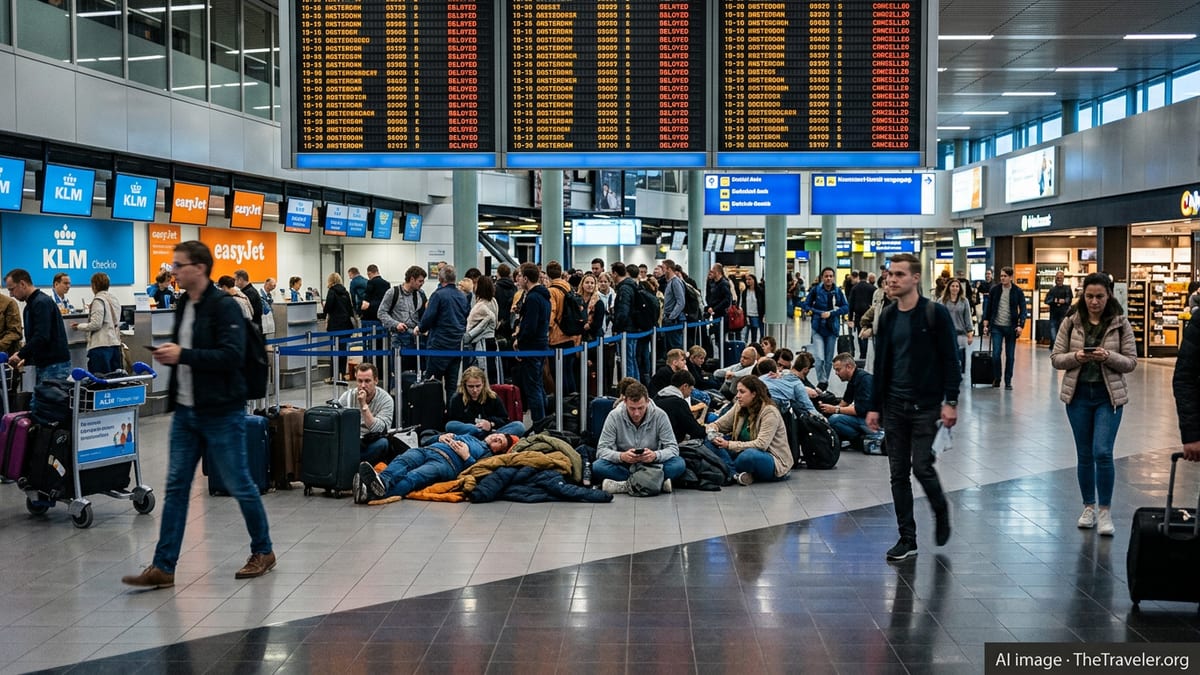
Airport Operations Hit by Midday Ground Stop
Published coverage indicates that by around midday on August 28, 2026, Zurich Airport had already seen 27 arrivals and departures cancelled as storm cells moved repeatedly across the region. Reports state that around 3,100 passengers were directly affected by these cancellations, with further disruption expected as the weather situation evolved through the afternoon and evening.
Information from Swiss International Air Lines shows that remaining services were facing delays of up to three hours as the schedule absorbed the impact of the sudden capacity reduction. With Zurich functioning as both Switzerland’s largest international airport and a major transfer point for European and long haul traffic, even a short interruption can quickly translate into a wider network ripple.
According to publicly available briefings from the airline, the storm system repeatedly triggered so called handling stops on the apron, periods when work around aircraft must be suspended because of nearby lightning. Each of these interruptions forces a pause in loading, unloading and servicing aircraft, limiting the number of movements the airport can safely handle.
In this case, the disruptions came at the tail end of a busy summer season in which Zurich Airport has been operating close to pre pandemic traffic levels. Recent operational summaries show that more than 3.3 million passengers used the airport in July alone, underscoring how sensitive a dense schedule can be to sudden weather related constraints.
Lightning Strikes Bring Ground Operations to a Standstill
Local and international reports emphasize that the primary trigger for Friday’s cancellations was lightning activity in the immediate vicinity of Zurich Airport. When lightning is detected close to the apron, airlines and airport partners are required to withdraw ground staff from exposed areas for safety, halting virtually all servicing tasks.
Public documentation from Swiss and Zurich Airport explains that during these handling stops, employees must keep a clear distance from aircraft and other metal structures. Aircraft cannot be loaded or unloaded, refueled or pushed back from the gate, and boarding or disembarkation may be paused. While the runway system itself may remain technically available, the lack of ground handling capacity means departures and arrivals quickly begin to back up.
The resulting knock on effect can be substantial. Even when a storm cell passes quickly, the backlog of aircraft waiting for stands, equipment and staff often takes hours to clear. On Friday, this dynamic appears to have contributed both to the cluster of outright cancellations and to extended delays on many flights that were still able to operate.
Published briefings describe the conditions as having significantly restricted the number of takeoffs and landings the airport could sustain during the storm. With Zurich also handling a mix of short haul European routes and long haul intercontinental flights, delayed departures in Switzerland can cascade into missed connections and schedule changes across multiple regions.
Travelers Face Missed Connections and Extended Delays
The scale and timing of the thunderstorm meant that passengers at Zurich Airport encountered a range of disruptions, from cancelled trips to missed onward connections. Midday is typically a busy period for both origin and transfer traffic, and cancellation of 27 flights within a few hours represents a significant loss of capacity on short haul routes in particular.
Coverage from Swiss and Swiss based media indicates that passengers whose flights were cancelled were being rebooked on later services where seats were available, though the continued risk of additional weather related cancellations limited options on some routes. For travelers on tight itineraries, including same day business trips or onward long haul journeys, the combination of cancellations and three hour delays created considerable uncertainty.
Operational data from recent weeks shows that Zurich has generally maintained relatively stable on time performance through the summer peak, despite occasional episodes of congestion and adverse weather. The contrast highlights how quickly severe thunderstorms can overwhelm even well prepared operations, especially when they repeatedly pass over the same area and force multiple ground stops in quick succession.
Publicly available information suggests that airlines were working to stabilize their schedules and protect core connections once the most intense cells had moved away. However, with aircraft and crews out of position and some rotations lost entirely, residual delays were expected to persist into the evening schedule.
Storm Disruption Underscores Weather Vulnerability
The events at Zurich on August 28 also reflect a broader challenge facing European airports as they adapt to increasingly volatile weather patterns. Zurich Airport’s own climate related planning documents note that heavier downpours and intense thunderstorms can lead to handling disruptions, flight cancellations and temporary reductions in runway and apron capacity.
In these materials, the operator lists thunderstorms among the weather phenomena that can trigger interruptions to normal operations, including ground handling stops, diversions and schedule instability. While Friday’s event appears to have been relatively short lived, the extent of the disruption illustrates how closely aviation safety procedures are tied to real time weather monitoring.
Industry wide, there is growing recognition that more frequent severe weather episodes can strain both infrastructure and staffing models. Measures such as enhanced monitoring, updated contingency plans and more flexible scheduling are increasingly viewed as necessary to manage the operational risk that events like Friday’s thunderstorm pose to major hubs.
For Zurich, which typically handles hundreds of flights per day across more than 200 destinations, maintaining resilience in the face of such shocks is a central strategic concern. The airport and its airline partners have highlighted the importance of coordinated planning to limit knock on impacts when adverse conditions force a rapid reduction in movements.
What Passengers Should Know During Weather Disruptions
For travelers using Zurich or other large hubs, Friday’s storm offers a reminder of how quickly conditions can change and why contingency planning is important. Published travel guidance recommends that passengers monitor airline apps and airport information channels closely during periods of unsettled weather, as gate assignments, departure times and even routings may change at short notice.
On days with active thunderstorms in the forecast, experts often advise allowing extra connection time where possible and keeping essential items such as medication, chargers and basic toiletries in carry on luggage in case of unplanned overnight stays. Flexible tickets and travel insurance that explicitly covers weather related disruptions can also provide additional options when flights are cancelled or heavily delayed.
While modern aircraft are designed to operate safely in a wide range of conditions, airport ground operations remain particularly sensitive to lightning activity, as Friday’s situation in Zurich demonstrates. Respecting ramp closures and handling stops is a key part of ensuring the safety of ground staff, even when it leads to frustrating delays for passengers.
As summer travel demand remains strong across Europe, the Zurich disruption shows how single weather events can still send ripples across an otherwise robust network. For airlines, airports and travelers alike, the incident underlines the continuing need to balance operational efficiency with safety first procedures when storms move in.
SWI swissinfo.ch report on Zurich storm cancellations
SWISS operational newsbrief on weather disruption