


More news on this day
Raging wildfires in southwestern France are disrupting peak summer holidays and transport links, as tourism and safety agencies urge visitors to reconsider travel plans, avoid affected regions and stay alert to fast-changing conditions.
Get the latest news straight to your inbox!
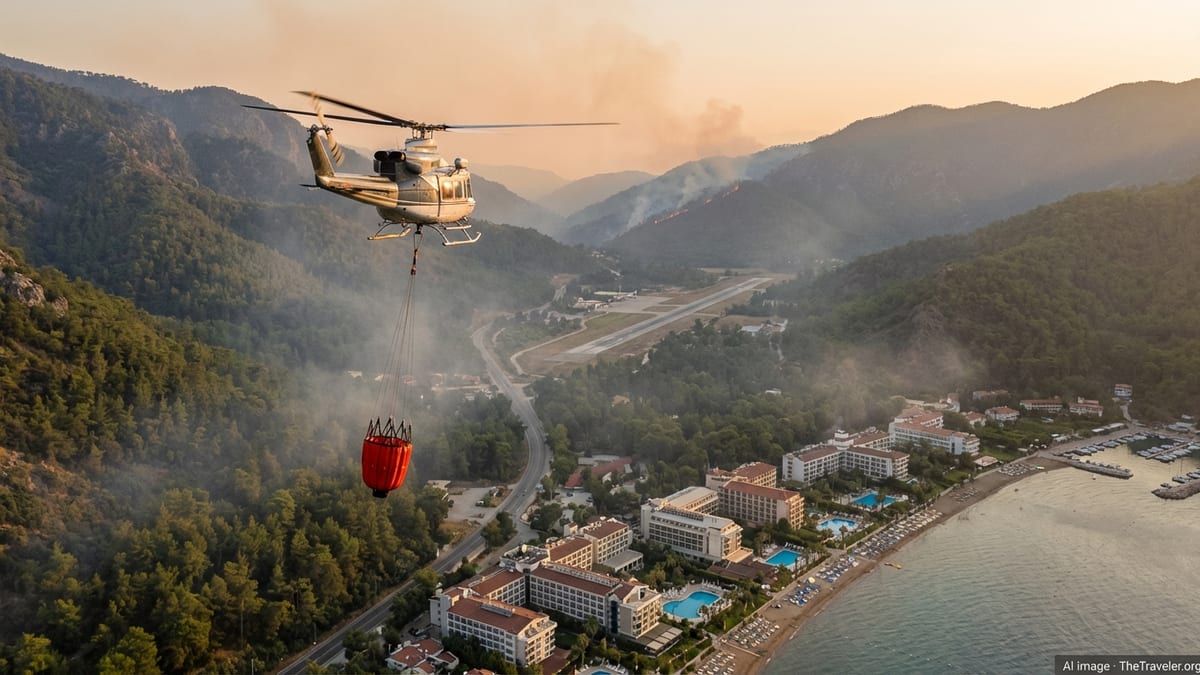
Mass evacuations in key holiday regions
Wildfires that broke out in July across southwestern France have led to some of the largest evacuations the country has seen in decades, affecting popular destinations near Bordeaux and along the Atlantic coast. Reports from domestic and international media describe entire stretches of pine forest around the Bassin d’Arcachon and the Cap Ferret peninsula consumed by flames, with smoke drifting over beaches and resort towns at the height of the school holidays.
Coverage from French and international news outlets indicates that more than 200,000 people have been moved from homes, campsites and holiday parks over recent days, including large numbers of foreign visitors. Boat shuttles and convoys of private cars have ferried tourists away from narrow peninsulas and coastal roads, while emergency shelters have been opened inland to accommodate those forced to leave accommodation at short notice.
Although fire services report progress in containing some of the largest blazes, local authorities in affected departments continue to warn that new flare ups remain possible, particularly with high temperatures and periods of strong wind forecast to persist into the week. In some areas, returning to evacuated zones is not yet permitted, leaving visitors facing sudden changes of plan and disrupted itineraries.
Images and accounts from the Gironde and Landes departments show stretches of blackened forest close to resorts that would normally be packed with beachgoers, underlining how quickly conditions have changed for one of France’s flagship coastal holiday regions.
Travel advisories urge itinerary changes and flexibility
Foreign and French travel advisories updated in recent days are urging anyone with plans to visit southwestern France to review their trips carefully. The United Kingdom’s travel advice for France, for example, has added specific references to wildfires affecting parts of the country and highlights the possibility of further evacuations during the current heat and drought period.
The French foreign ministry’s traveller information service has also been updated this month, with fresh guidance on the heightened seasonal fire risk. Official French government information stresses that wildfire danger now extends well beyond the Mediterranean coast, affecting Atlantic and inland regions where forests, scrub and farmland have dried out after repeated heat episodes.
Travel and consumer media are advising prospective visitors to check bookings daily, maintain flexible cancellation options where possible and be ready to reroute away from the Gironde and other high-risk departments if conditions deteriorate. For those already in France, guidance generally recommends following local announcements, staying informed through regional news bulletins and contacting accommodation providers before travelling onward.
Insurance industry bodies in Europe are also drawing attention to policy conditions around natural disasters. Recent statements explain that some travel insurance policies may cover trip disruption and additional costs if wildfires prevent access to booked accommodation or lead to enforced evacuations, but that coverage can vary significantly between providers.
Transport and events disrupted at height of summer
The fires are affecting not only beach holidays but also transport networks and major events. Rail users have reported cancellations and delays on routes into Bordeaux and along the Atlantic corridor, where lines pass close to affected forest zones. Operators have been rerouting or suspending some services for safety reasons, adding to congestion on alternative routes.
Road travel has been similarly impacted, with sections of local and departmental roads closed so firefighting convoys can move freely and to keep private vehicles away from smoke and fast-moving flames. Travellers heading to or from coastal resorts have faced significant detours, while some car parks and coastal access roads have been shut to reduce the number of people in high-risk areas.
The wildfires have had knock-on effects as far as the national sporting calendar. Coverage of the Tour de France notes that earlier in the month, spectators were asked to avoid part of the route in the south due to nearby fires, and more recently the final stage of the 2026 race was shortened in response to a shortage of security personnel redeployed to support firefighting operations. The adjustments underline how far-reaching the impacts of the fires have become, even in areas not directly threatened by flames.
Air travel into France has so far continued with limited direct impact from smoke, but tour operators and airlines are monitoring developments closely. Some travel companies are offering free rebooking or flexible options for customers scheduled to stay in the worst affected regions over the coming days.
What visitors should do now
For travellers currently in France, officials and tourism agencies are emphasizing vigilance and strict adherence to local instructions. Visitors in regions covered by wildfire alerts are being encouraged to keep phones charged, enable roaming alerts where available and identify evacuation routes from campsites, hotels and rental properties in advance.
Those planning upcoming trips are being advised to map their itineraries against current risk zones, particularly if visiting the Gironde, Landes or other forested coastal departments. Accommodation providers in these areas are regularly updating guests on local conditions and in some cases proactively relocating bookings to safer inland locations or to regions less affected by fire risk.
Health information from French public services notes that wildfire smoke can aggravate respiratory and cardiovascular conditions, particularly for children, older adults and those with existing illnesses. Travellers with such vulnerabilities are being urged to pay particular attention to air quality reports and to reconsider plans that would place them close to active fire fronts or in areas where smoke has settled.
In addition, government prevention campaigns in France are reminding all visitors that human activity causes the vast majority of forest fires each summer. Campfires, barbecues, discarded cigarettes and off-road vehicle use are tightly restricted in many departments and can attract heavy penalties, especially when regional fire risk levels are officially raised.
Shifting patterns for France’s summer tourism
The latest fires come at a time when French and European tourism bodies are already studying how climate change is reshaping traditional travel seasons. Summer wildfires have become a regular feature across southern Europe, and 2026 is bringing renewed scrutiny of whether peak travel months and destinations may need to adapt.
Analysts note that the Atlantic coast around Bordeaux had often been marketed as a cooler alternative to the Mediterranean during heatwaves, yet this season’s blazes show that no major French region with extensive forest cover is entirely insulated from fire risk. This is prompting discussion among destination managers about diversifying tourism offerings, reinforcing infrastructure and rethinking how visitor numbers are distributed throughout the year.
For international visitors, the evolving situation is a reminder to integrate climate and environmental risk into travel planning, just as many already account for school holidays and peak pricing. As France continues its summer firefighting and prevention campaigns, travellers are being encouraged to stay informed, make flexible arrangements where they can and prioritize safety over fixed itineraries.
While much of France remains open and welcoming to visitors, current conditions around Bordeaux and other affected zones mean that those planning trips in the coming days would be wise to review their plans and be ready to adjust, postpone or redirect their journeys if the wildfire situation worsens.