


More news on this day
A minor collision involving two Metropolitan Atlanta Rapid Transit Authority trains in southwest Atlanta briefly halted rail service and caused delays for riders as crews inspected equipment and cleared the tracks, according to early reports from local news outlets and transit monitoring services.
Get the latest news straight to your inbox!
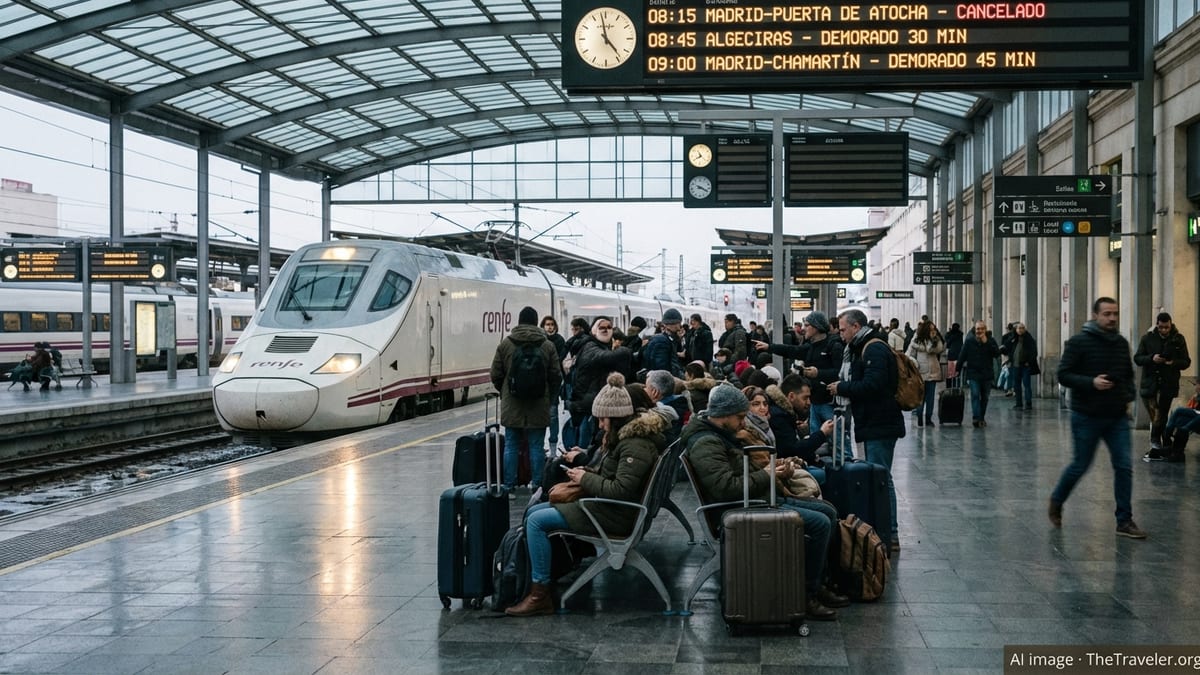
Brief Disruption on Key Southwest Corridor
Initial reports indicate the collision occurred on a segment of track serving southwest Atlanta, an area largely connected to the rest of the city by MARTA’s Red and Gold Lines. The incident temporarily stopped train movements in both directions as transit staff assessed potential damage and ensured the tracks were safe to reopen.
Service was described as suspended for a short period before limited operations resumed with significant delays. Riders posting to local social media feeds and transit forums described packed platforms and longer-than-usual waits, particularly at stations serving neighborhoods west and southwest of downtown.
Publicly available information from transit alert feeds suggests that trains were initially held at preceding stations while the scene was secured. Normal headways gradually returned as rail operations transitioned from a hold to single-tracking and then back to full service once inspections concluded.
There were no immediate indications of life-threatening injuries in early coverage, though one or more train cars reportedly required inspection for cosmetic and mechanical damage. As of the latest updates, full service had largely been restored, with riders advised to allow extra travel time.
What Early Reports Say About the Collision
Published local coverage describes the event as a low-speed collision between MARTA trains, likely occurring as one train approached another moving or stopped consist on the same track segment. Urban rail systems typically operate using automatic train control to prevent such incidents, so any contact between trains is subject to close review.
Transit alert summaries and media reports suggest that the impact occurred near a junction used heavily by trains serving southwest Atlanta neighborhoods, including connections toward the West End area and other communities along major southwest corridors. The collision prompted an immediate halt to rail traffic while staff checked for track or signal damage.
In the hours that followed, MARTA’s public-facing alert systems pointed riders to rail alternatives, including bus routes that parallel portions of the affected corridor. Riders who rely on timed transfers to reach downtown employment centers and educational institutions experienced disruptions to their usual morning and evening patterns.
By later in the day, most reports indicated that normal schedules had resumed, although some riders continued to report residual delays as trains and crews returned to their assigned positions on the network.
Impact on Riders and Local Connectivity
The affected segment of the MARTA system is a crucial link for southwest Atlanta, where residents rely on rail service to reach downtown, Midtown, and the airport. Even a short suspension can ripple across commutes, connecting bus routes, and airport-bound trips, particularly during peak travel times.
Travelers reported turning to rideshare services, bicycles, and personal vehicles when trains were initially held, increasing pressure on already congested surface streets in several southwest neighborhoods. For visitors staying in central Atlanta and depending on MARTA for airport access, the disruption highlighted the importance of checking real-time service alerts before departure.
The brief shutdown also coincided with ongoing scrutiny of MARTA’s reliability and capacity as Atlanta prepares for upcoming major events and continued regional growth. Recent public discussions have focused on how well the system can absorb unexpected incidents while still maintaining frequent and dependable service for daily riders.
Local transportation advocates often point to events like this as a reminder of the need for robust contingency planning, clear communication, and investments that reduce single points of failure on heavily traveled corridors.
Safety Reviews and System Context
Rail incidents on MARTA are relatively infrequent when measured against daily ridership figures, but they draw heightened attention whenever they involve collisions or significant service disruptions. Past safety investigations involving the system have examined issues such as track worker protection, signaling, and procedures for operating trains through work zones.
In previous cases documented by national safety investigators, reviews have focused on whether operating rules, training, and communication protocols were sufficient to protect workers and riders. Those findings have led to recommendations on improving track access procedures and ensuring that warning systems provide adequate time for personnel to reach safety.
The latest collision in southwest Atlanta is expected to generate similar internal analysis regarding train spacing, signal adherence, and any human or technical factors that may have contributed. Publicly visible information typically emerges gradually, as preliminary findings are refined into formal reports and corrective actions.
MARTA’s rail network, which includes four primary lines serving the Atlanta region, carries thousands of riders each day. As the authority continues to modernize rolling stock and upgrade infrastructure, events like this collision underscore the importance of integrating new equipment and safety systems with established operating practices.
Travel Advice for MARTA Riders After the Incident
For travelers and local riders planning trips through southwest Atlanta, recent experience with the collision highlights the value of building flexibility into itineraries. Allowing extra time when passing through heavily used transfer points can help cushion the impact of delays that sometimes follow major service disruptions.
Riders are encouraged to monitor MARTA’s official alert channels, station display boards, and local traffic and transit reports for updates on unexpected rail or bus interruptions. When rail service is suspended or reduced on a corridor, publicly available guidance often points to rail replacement buses, connecting routes, or partnerships with other transportation providers that help bridge the gap.
Visitors to Atlanta who rely on rail connections for access to downtown attractions, major venues, and the airport may benefit from checking conditions shortly before departure and identifying a backup option when possible. While incidents like the southwest Atlanta train collision are relatively rare, their short-term effects can be significant for time-sensitive connections such as flights, event start times, or medical appointments.
As full service resumes following the collision, future riders on the southwest corridor are likely to see continued emphasis on real-time communication and safety-focused operations, as the system works to maintain confidence in rail as a reliable backbone of Atlanta’s transportation network.