


More news on this day
Autumn city breaks and business trips are facing fresh disruption this September as a wave of planned road closures for engineering and maintenance works takes effect in major urban areas, prompting renewed warnings for travellers to check local advisories before setting out.
Get the latest news straight to your inbox!
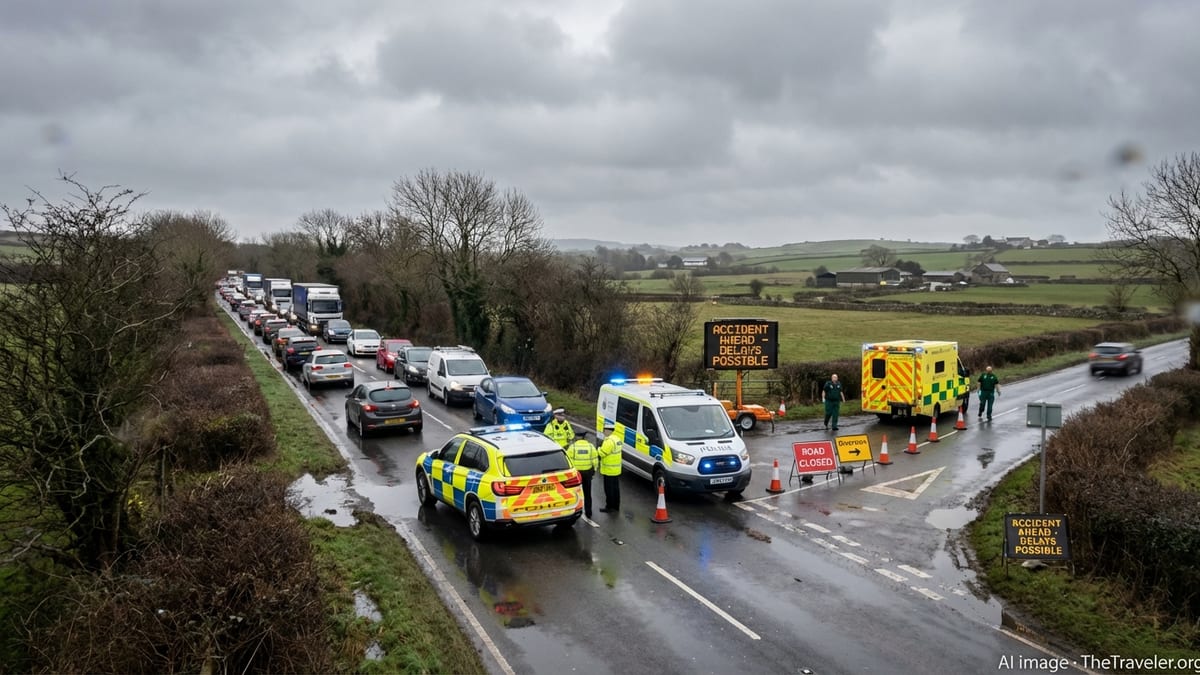
City centres brace for disruptive closure programs
Across multiple regions, city authorities are pressing ahead with intensive road works timed for the late summer and early autumn construction window, bringing full closures, lane reductions and overnight shutdowns that are already affecting visitor journeys. In New York City, a traffic advisory for early September lists a series of bridge, tunnel and arterial closures and lane reductions, many of them overnight, that restrict access into and around Manhattan while resurfacing and structural work is carried out.
On key Manhattan crossings, published information shows intermittent overnight full closures and lane reductions continuing into mid-September, with traffic diverted to alternative crossings and surface routes. Travellers arriving late by air or coach are particularly exposed, as many of the most restrictive measures are scheduled between late evening and early morning, when public transport services can also be reduced.
Similar patterns are emerging in other US cities. In Turlock, California, the municipal roads bulletin lists a closure affecting Golden State Boulevard at Paulson Road and Berkeley Avenue for planned improvement works, warning of major delays in the surrounding network and urging drivers to allow extra time or choose different corridors. The advisory, current as of early evening on 8 September 2026, underlines how quickly conditions can change, with updates issued as contractors adjust their schedules.
In the United Kingdom, smaller historic centres are also seeing targeted but high-impact closures. An urgent notice from Bradford-on-Avon Town Council confirms that part of the B3107 Silver Street is scheduled to close on Sunday 6 September to allow utilities reinstatement works, cutting a key route through the town for a full day and forcing traffic onto narrow alternative streets.
International travellers face concentrated works in popular hubs
Beyond North America and the UK, published notices show a cluster of closures in destinations that attract substantial international tourism. In Western Australia, the City of Perth maintains a regularly updated list of full road closures within the central area, including upcoming works on Adelaide Terrace and Bennett Street in East Perth on 12 and 13 September 2026. These works sit alongside a broader programme of monitored activities that can affect access to hotels, waterfront venues and event precincts in the city centre.
In southern England, Hampshire County Council’s latest travel alert for the M27 corridor highlights full weekend slip-road closures between 9 pm Friday and 6 am Monday as part of the upgrade of Junction 10, a key access point for Portsmouth and the surrounding area. The authority notes that timings remain subject to weather and operational requirements, leaving open the possibility of late adjustments that could catch unprepared motorists and coach operators.
Farther afield, infrastructure projects and resilience works can also spill into urban travel patterns. In New York State, documentation on the East Side Coastal Resiliency Project specifies recurring night-time closures in the Battery Park Underpass and on the University Heights Bridge to support long-running flood mitigation and structural upgrades. These measures, although not always front of mind for tourists, can significantly alter driving routes between accommodation, airports and waterfront attractions when in effect.
For long-haul visitors planning multi-stop itineraries, the combined effect of local closures, highway work zones and slip-road restrictions can extend journey times between cities and airports more than digital maps initially suggest, especially where mapping services have not yet integrated the latest embargoes or municipal traffic orders.
Detours and timing shifts reshape visitor routes
One theme running through current advisories is the emphasis on detours and temporary traffic configurations that can be unfamiliar to visitors. In Virginia, weekly travel alerts for the Fredericksburg and Hampton Roads districts outline alternating lane closures, crossovers and full overnight stops on Interstate segments and key city approaches, often accompanied by advisory messages to use signed detours or consider different travel windows.
Hampshire’s M27 programme similarly illustrates how slip-road closures alter the preferred routes into nearby towns and ferry terminals, with drivers diverted via alternative junctions that may not be obvious without close attention to roadside signs. For those relying on rental cars or sat-nav devices set before departure, this can translate into last-minute lane changes and missed exits.
City-centre closures have their own dynamics. In Perth, the closure of Adelaide Terrace and Bennett Street for works is concentrated over a single weekend, but the impact radiates outward as traffic is channelled into surrounding streets and intersections. Businesses within the cordoned area remain reachable, yet parking access, hotel drop-offs and shuttle services may need to be relocated temporarily, complicating arrangements for group tours and event attendees.
Even short-duration closures can be disruptive when they intersect with peak visitor movements. The one-day closure of part of Silver Street in Bradford-on-Avon, scheduled for a Sunday to accommodate utilities reinstatement, intersects with typical leisure travel patterns, including day trips and weekend breaks that rely on road access to the heritage town centre.
Practical advice for travellers and trip planners
Against this backdrop, transport authorities and local councils consistently underline the importance of checking dedicated travel alert pages and real-time traffic platforms before departure. New York’s Department of Transportation, for example, directs motorists to its weekly advisory and interactive maps for details of ongoing lane and street closures, while state departments such as Virginia’s encourage regular use of their 511 travel information services.
Internationally, cities including Perth consolidate full closure information on centralised web pages and supplement it with separate reports on monitored activities, giving residents and visitors a single reference point before entering the city by car. County-level bodies in the UK, such as Hampshire, publish structured progress updates for major interchange projects, including specific dates, time bands and slip-road configurations to help drivers plot alternatives in advance.
For travellers, the most effective response is often to adjust timing and mode of transport rather than attempting to drive directly through active work zones. Shifting arrival or departure outside overnight closure windows, opting for rail links where available, or choosing accommodation with easy access to unaffected corridors can all reduce exposure to delays. Travel providers and tour operators can also mitigate disruption by monitoring local authority feeds in the days before group movements and updating joining instructions accordingly.
With many of the works scheduled to continue or recur through September and into the autumn, the current wave of closures underscores a broader pattern: as cities invest in maintenance, resilience and capacity upgrades, those hitting the road need to treat up-to-date local traffic information as a core part of trip planning rather than a last-minute check.
New York City DOT Weekly Traffic Advisory
Virginia DOT Fredericksburg District Travel Alert