


More news on this day
Travel and Tour World has released its Top 50 Solo Travel Destinations for 2026, showcasing cities and regions where safety, walkability and immersive culture are aligning with booming demand for independent trips.
Get the latest news straight to your inbox!
Data Driven Rankings Reflect Solo Travel Boom
The new Travel and Tour World (TTW) ranking comes as multiple travel forecasts point to rapid growth in solo itineraries through 2026, supported by industry surveys that track rising search volumes and bookings for single-occupancy stays. Analysts note that independent travelers are increasingly prioritizing destinations that balance perceived safety with easy navigation, reliable public transport and a dense mix of cultural attractions.
TTW’s Top 50 list draws on published destination indices, global peace and safety benchmarks, booking and search trends, and consumer survey data that track where solo travelers are actually going rather than where they simply aspire to travel. Cities that combine strong infrastructure, compact historic centers and a wide choice of hostels, midscale hotels and short term rentals score particularly well.
The 2026 ranking also reflects the shift toward what some travel researchers describe as “solo social” trips, in which travelers head out alone but seek structured opportunities to meet others through guided walks, food tours, live events and co-working spaces. Destinations that have invested in festivals, waterfront precincts and cultural quarters accessible without a car tend to climb higher in TTW’s methodology.
According to publicly available trend reports, solo travel is no longer confined to backpacking or gap year routes. The segment now spans digital nomads, remote workers combining business and leisure, and older travelers who prefer flexible, independent itineraries. The breadth of the TTW list, which ranges from major capitals to smaller coastal and mountain hubs, is intended to mirror that diversification.
European Capitals and Culture Hubs Lead the Pack
European cities dominate the upper reaches of TTW’s Top 50, reflecting a combination of dense public transport networks, well-established tourism sectors and relatively high safety perceptions among international visitors. Several capitals that already feature prominently in global destination indices are again singled out for solo travelers in 2026.
Dublin is highlighted as one of the strongest performers, following a series of traveler choice awards that placed the Irish capital at or near the top of global solo travel rankings for 2026. Its compact center, extensive hostel and hotel inventory, and active nightlife within walkable neighborhoods are cited as key attributes that appeal to first time solo travelers as well as repeat visitors.
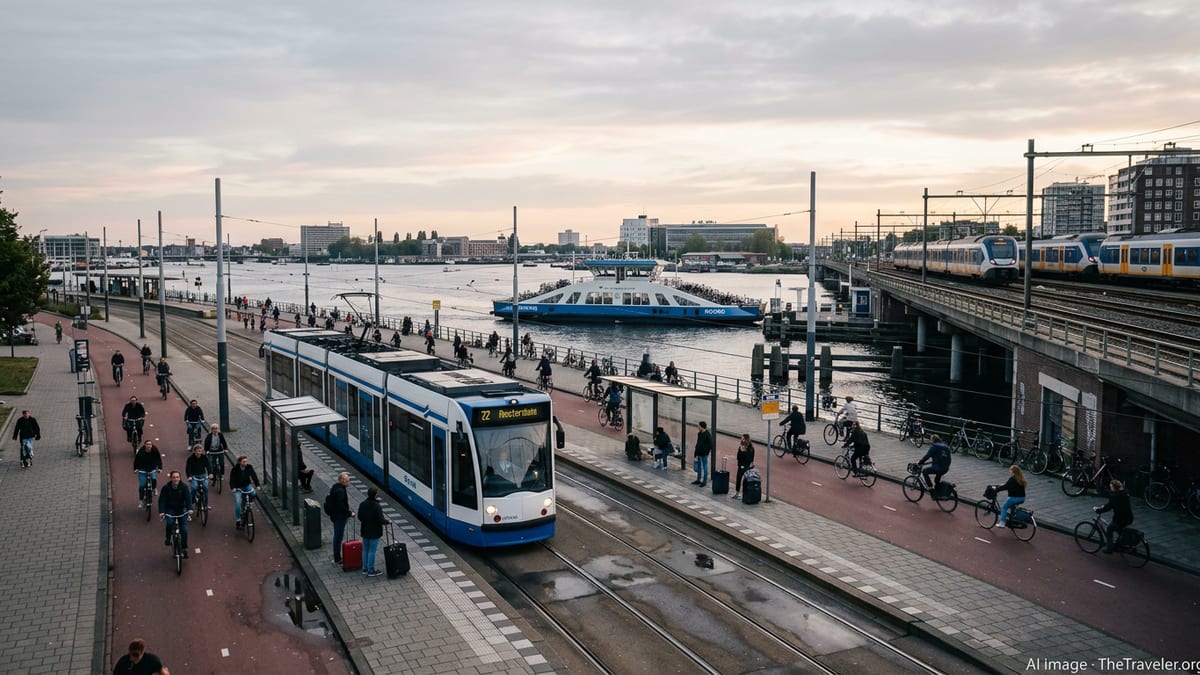
Berlin and Amsterdam also rank highly, benefiting from extensive cycling infrastructure, a visible café and arts culture, and a long track record of welcoming independent visitors. Their combination of museums, nightlife, and alternative neighborhoods provides solo travelers with varied experiences in a single trip, while efficient rail links to the rest of Europe make them popular hubs for extended solo itineraries.
Elsewhere in Europe, cities such as Lisbon, Barcelona, Prague and Copenhagen continue to perform strongly in TTW’s 2026 assessment. All feature prominently across recent traveler surveys that emphasize cultural depth, walkability and public transport, reinforcing their status as reliable entry points for those planning their first or second solo journey.
Asia’s Metropolises Combine Safety and Immersion
Asia is another major winner in TTW’s Top 50 Solo Travel Destinations for 2026, with Japan, South Korea and several Southeast Asian nations securing multiple entries. Tokyo and Kyoto feature prominently, supported by international surveys that routinely rank Japan among the top countries for solo visitors, thanks to its efficient rail network, low levels of street crime and strong service culture.
Seoul stands out as a leading choice for solo travelers who prioritize perceived safety and urban convenience, particularly among younger and female travelers. Its late night dining scene, extensive metro system, and concentration of shopping and cultural districts in easily navigable neighborhoods contribute to its elevated position in the TTW list.
Across Southeast Asia, TTW notes that Bangkok, Hanoi and Ho Chi Minh City continue to act as anchor points for backpackers and budget conscious travelers, but are also attracting a wider mix of visitors seeking boutique hotels, food tours and creative districts. The combination of relative affordability, extensive transport options and a long established independent travel ecosystem keeps these cities firmly within the Top 50.
Other Asian destinations gaining ground in the 2026 ranking include Singapore, with its reputation for safety and efficiency, and island hubs such as Bali and Phuket that pair resort infrastructure with co-working spaces and long stay accommodation. These locations appear frequently in recent solo travel trend reports that track longer digital nomad stays and remote work arrangements.
North America, Oceania and Emerging Adventure Hotspots
TTW’s 2026 compilation shows North American and Oceania cities consolidating their position among solo travelers, particularly where walkable neighborhoods and extensive public transit offset higher average travel costs. New York City, San Francisco and Vancouver appear in the upper half of the list, reflecting their role as cultural and culinary centers with well mapped transit systems and a dense lineup of events throughout the year.
On the United States West Coast, cities such as Los Angeles and San Diego feature among the destinations where solo interest is rising, supported by airline and booking data that track strong growth in individual traveler searches for California. Reports also highlight the appeal of nearby coastal towns and national parks, which allow solo visitors to pair urban stays with short nature escapes.
In Oceania, Sydney, Melbourne and Auckland continue to attract solo travelers looking for English speaking bases with strong outdoor and café cultures. These cities appear frequently in airline and tourism board analyses focused on working holidays and extended trips, with solo travelers often combining them with road journeys to regional coastal and wine regions.
The TTW ranking also makes space for emerging adventure destinations that appeal to experienced solo travelers comfortable with more challenging logistics. Locations in Central Asia, Eastern Europe and parts of South America appear in the lower half of the Top 50, reflecting increased interest in trekking, remote landscapes and cultural immersion away from traditional tourist circuits, while still meeting threshold criteria on basic safety and infrastructure.
Safety, Community and Affordability Shape 2026 Choices
Across regions, TTW’s Top 50 underscores a consistent set of priorities guiding solo travelers in 2026. Safety remains a foundational consideration, with the list cross referencing destinations against widely used peace, crime and political stability indices, as well as traveler feedback that speaks to on the ground experiences in urban areas and on public transport.
Affordability is another decisive factor, particularly as inflation and currency fluctuations shape travel planning. Destinations in Southeast Asia, parts of Eastern Europe and selected Latin American cities earn places on the TTW list for offering a relatively low daily cost of living while still providing reliable infrastructure, established backpacker circuits and access to organized excursions.
Community focused experiences are also influencing which cities rise in the ranking. Published coverage of 2026 travel trends points to growing demand for hostels with social programming, co-living spaces, language exchanges and themed group tours that allow solo travelers to meet others without committing to fully escorted itineraries. Destinations that support this ecosystem, from food markets to live music venues, are more likely to attract repeat solo visitors.
TTW’s 2026 Top 50 Solo Travel Destinations is positioned as both a snapshot of current traveler behavior and a guide to locations where infrastructure, cultural offerings and policy support for tourism are converging. As the solo segment continues to expand, the ranking suggests that cities investing in safety, walkability and inclusive cultural programming are best placed to capture this growing share of global travel.