


More news on this day
Typhoon Noul’s landfall on the coast of Guangdong and storm-force conditions in Hong Kong over the weekend disrupted key air, sea and land routes that funnel visitors into Macau, creating fresh uncertainty for tourism operators at the height of the summer travel period.
Get the latest news straight to your inbox!
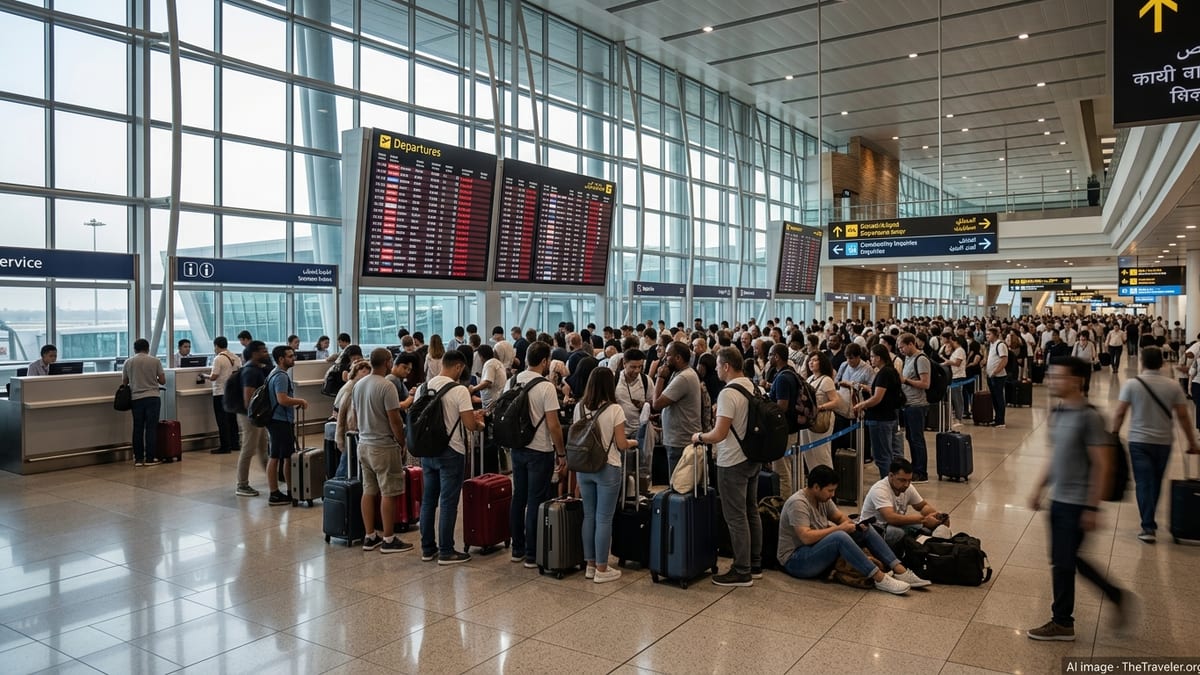
Storm triggers flight cancellations and delays across the Pearl River Delta
According to regional media reports and airport statements, Typhoon Noul led to widespread disruption of air services in southern China, with Hong Kong International Airport among the hardest hit. Airlines curtailed operations as the storm approached, with several hundred flights reportedly canceled or delayed over the course of the weekend as winds strengthened and visibility deteriorated.
Published information from Hong Kong’s airport operator indicates that the bulk of cancellations and delays were concentrated from late Saturday into Sunday morning, coinciding with the period when Noul passed closest to the city and authorities maintained a high tropical cyclone warning signal. This placed significant pressure on carriers that normally feed large numbers of passengers into Macau via Hong Kong, either through onward ferry connections or the Hong Kong Zhuhai Macau Bridge.
Regional coverage from international outlets also points to widespread air travel disruption further up the Guangdong coast as Noul made landfall. Flights at several coastal airports were suspended or reduced, compounding the break in connectivity for travelers whose itineraries typically combine stops in Guangdong, Hong Kong and Macau during the same trip.
For Macau, which relies heavily on short-haul markets and transit traffic from neighboring hubs, this sharp but intense interruption in flight schedules is expected to depress visitor arrivals for several days, particularly among weekend leisure travelers and short-notice business visitors.
Ferry and bridge links between Hong Kong, Guangdong and Macau interrupted
Publicly available notices from the Macau Special Administrative Region government show that high-speed ferry services between Hong Kong and Macau were suspended during the height of the storm conditions. Operators halted sailings as sea states deteriorated and tropical storm warnings were raised, cutting a vital maritime corridor that normally carries substantial visitor flows between the two cities.
Marine safety advisories for the South China coastal waters highlighted gale to storm-force winds and heavy swells as Noul moved inland across eastern Guangdong. These conditions affected not only the main Hong Kong–Macau ferry routes, but also other short-hop services within the Pearl River Delta that support cross-boundary tourism and same-day excursions.
Road traffic on the Hong Kong Zhuhai Macau Bridge also faced constraints as weather conditions worsened. While detailed traffic figures had yet to be released at the time of writing, transport updates from the wider region indicated reduced speeds, lane restrictions and periodic closures on exposed sections of major bridges and expressways, all of which contributed to longer journey times and trip cancellations.
For tour operators and hotels in Macau that market packages built around seamless access from Hong Kong, the temporary loss or reduction of both ferry and bridge capacity effectively removed two of the most important gateways to the city at a key weekend moment in the summer season.
Guangdong visitor flows to Macau stall after landfall
Typhoon Noul came ashore in Guangdong with strong winds and heavy rain, leading to power outages, localized flooding and a halt to many coastal activities, according to domestic media coverage and official weather bulletins. The storm track took Noul inland across one of the main catchment areas for Macau’s mainland visitors, interrupting both public transport and private car travel.
Reports from the province indicate that train services on some coastal corridors were suspended or scaled back, while sections of highway experienced temporary closures due to fallen trees, debris and waterlogging. As a result, day-trip and short-stay visitors from nearby Guangdong cities, who typically constitute a major segment of Macau’s weekend tourism base, largely stayed home or postponed travel plans.
Macau’s tourism sector has become increasingly reliant on the broader Guangdong Hong Kong Macau Greater Bay Area for steady visitor flows outside major holiday peaks. The timing of Noul’s landfall during a summer weekend amplified its impact, as many potential travelers had already booked hotel stays and entertainment, but were unable or unwilling to complete their journeys amid warnings of hazardous conditions and travel disruption.
While early indications suggest that the structural impact on tourism infrastructure in Guangdong was limited compared with previous major storms, the short, sharp shock to mobility is expected to show up clearly in Macau’s visitor statistics for the affected days.
Macau tourism bodies emphasize safety and flexible planning
Macau’s tourism authorities issued safety reminders in the lead-up to the storm, urging visitors to monitor weather forecasts, transport announcements and activity arrangements during the typhoon period. Public advisories highlighted that the city experiences an annual typhoon season and encouraged travelers to build flexibility into their itineraries, particularly when planning outdoor sightseeing or cross-boundary day trips.
Published guidance from the Macao Government Tourism Office describes a protocol in which tourism businesses are encouraged to update guests promptly on changes to opening hours, show times and transport schedules during adverse weather. This system was once again brought into play as Noul approached, with hotels and integrated resorts adjusting event calendars and communicating options for rebooking or refunds.
Travel industry commentary circulating over the weekend underlined that, although Macau’s core hospitality and gaming infrastructure remained operational, visitors were advised to minimize nonessential movements outdoors during periods of stronger winds and heavy rain. Many indoor attractions and retail venues stayed open, but foot traffic was reduced by the combined effect of transport disruptions and safety messaging.
Tourism analysts following the region suggest that, in the short term, operators will concentrate on reallocating bookings and attracting replacement visitors once transport links fully normalize, while continuing to reinforce messaging about the city’s typhoon preparedness and robust building standards.
Recovery prospects and outlook for regional tourism
As Noul weakened inland after landfall, weather services scaled back warnings, allowing transport providers across Hong Kong and Guangdong to begin restoring normal operations. Early schedules for the coming days indicate a gradual return of full flight programs and the resumption of suspended ferry routes, which should reopen the main arteries feeding visitors into Macau.
Experience from previous storms in the Pearl River Delta suggests that short-haul tourism can rebound quickly once weather conditions stabilize, particularly if infrastructure damage is limited and transport capacity is swiftly reinstated. Travel platforms and airlines have moved to accommodate affected passengers with flexible rebooking options, which could help salvage some of the lost weekend demand by shifting trips into the following week.
For Macau, the episode underscores both the resilience and vulnerability of its tourism model. On one hand, the city benefits from modern, typhoon-hardened infrastructure and diversified access through air, sea and bridge links. On the other, its heavy reliance on just two neighboring markets Guangdong and Hong Kong means that any significant weather event affecting the region can rapidly translate into a noticeable dip in arrivals and gaming revenues.
With the broader Greater Bay Area entering the peak of the typhoon season, industry observers expect tourism stakeholders in Macau to continue emphasizing contingency planning, clear communication with visitors and close monitoring of meteorological updates as they navigate the weeks ahead.