


More news on this day
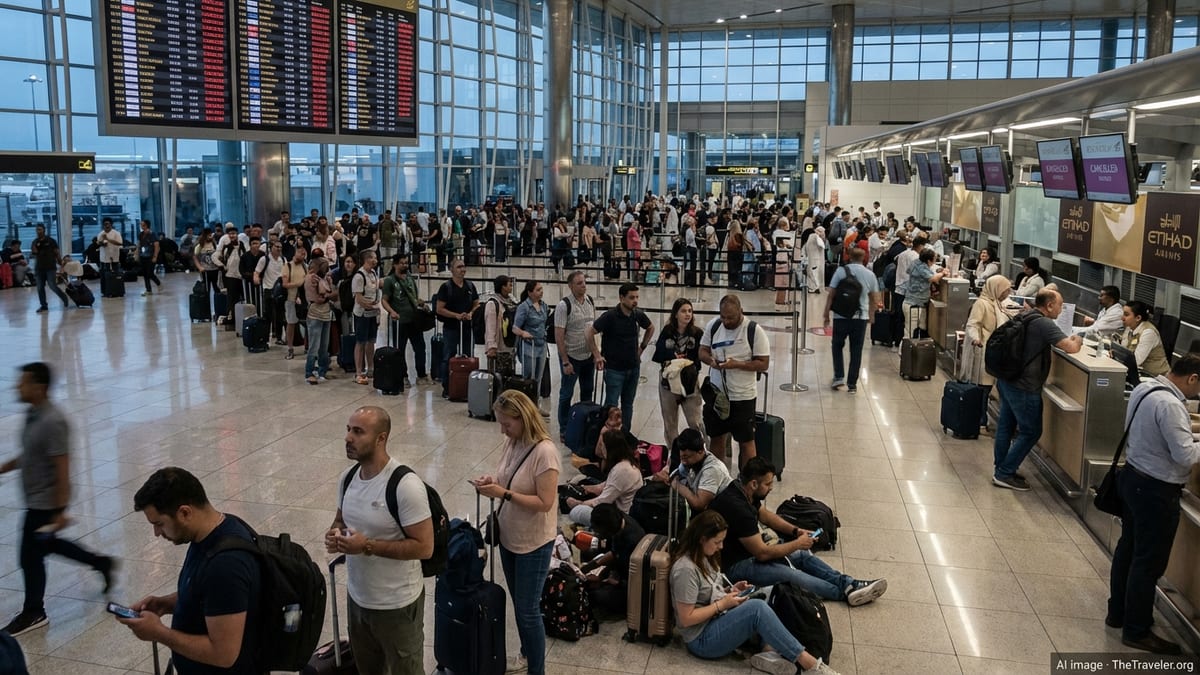
Travellers flying through Dubai International Airport and Abu Dhabi’s Zayed International Airport on September 2, 2026 are facing delays and targeted flight cancellations, with airlines warning that schedules remain subject to change at short notice amid an unpredictable regional security situation.
Get the latest news straight to your inbox!
Delays and cancellations hit key UAE hubs
Published coverage on September 2 indicates that services at both Dubai International Airport and Abu Dhabi’s Zayed International Airport have been running behind schedule, with multiple departures and arrivals affected across Europe, Asia and the Middle East. Several Abu Dhabi departures, including routes operated by Etihad Airways and Air Arabia Abu Dhabi to destinations such as Cairo, Bahrain, Delhi, Sialkot and Tbilisi, were reported as delayed on Wednesday morning.
Reports also highlight at least one Emirates cancellation, notably a New York service scheduled to depart from Dubai on September 3, alongside a series of shorter delays across the carrier’s network. While the majority of flights at the two airports continue to operate, the number of services running late has risen compared with recent weeks, underlining the knock-on impact on connections and onward travel.
Industry performance data for Abu Dhabi shows that average departure delays over the past week have climbed into double digits in minutes, with a small but noticeable uptick in cancellations versus the broader 30 day trend. This pattern aligns with accounts from travellers describing longer waits at gates, congested departure boards and unexpected changes in routing.
Despite these disruptions, airport and tourism advisories describe both hubs as open and operational. Information platforms for Abu Dhabi continue to promote the emirate as fully accessible, while stressing that passengers must rely on real time airline updates for the latest flight status.
Regional tensions drive operational uncertainty
The latest wave of disruption is unfolding against a backdrop of renewed military activity and security alerts across parts of the Middle East. Coverage from regional media links the delays and cancellations to airspace restrictions and route adjustments triggered by heightened tensions involving the United States and Iran, as well as continuing warnings about possible missile or drone activity.
International travel advisories from partners such as Australia, the United Kingdom, Canada and the United States have recently reiterated that the security environment in the wider region remains volatile. These notices warn that sudden airspace closures, rerouting and last minute schedule changes are possible, even where airports are technically open and functioning.
Past episodes of airspace closure earlier in 2026, following strikes and reprisals in the region, led to widespread suspensions and diversions affecting flights into and out of the UAE. Airlines subsequently restored most services, but the experience has reinforced the message that operational decisions may shift quickly when risk levels change, leaving passengers with limited warning.
Current meteorological charts and aviation weather products for Dubai show no severe local weather warnings on September 2, suggesting that the primary driver for today’s disruption is the regional security picture rather than storms or strong winds. As a result, even clear skies do not guarantee normal schedules while carriers continue to monitor the situation.
What affected travellers can expect at the airports
Publicly available guidance from UAE and foreign travel advisories indicates that passengers should anticipate longer processing times at check in, security and immigration, particularly at peak periods. Recent Gulf-based reporting notes that airlines are recommending that travellers arrive earlier than usual, complete online check in where available and proceed to the airport only with confirmed bookings.
In Abu Dhabi, official visitor information states that Zayed International Airport is open and operating an expanded commercial schedule, but repeatedly advises passengers to verify their flight directly with carriers such as Etihad Airways before leaving for the terminal. Real time airport and airline tools are described as the most reliable way to confirm whether a service is delayed, rerouted or cancelled.
Dubai International Airport’s flight status portal remains the primary reference point for travellers from the emirate. Although the site has intermittently displayed technical errors when loading full schedules, airlines urge passengers to use booking reference numbers, mobile apps and text or email notifications as backups to track last minute changes.
For those already at the airport when disruption occurs, reports from previous episodes this year suggest that options typically include rebooking on the next available flight, accepting a revised routing via an alternative hub, or requesting refunds or travel credits where policies allow. However, capacity constraints mean that same day alternatives cannot be guaranteed, especially on busy long haul routes.
Official advisories urge caution and flexibility
Updated national travel advice for the UAE notes that airspace in and around the country may open or close at short notice, directly affecting operations at both Dubai and Abu Dhabi airports. Safety notices emphasise that travellers should closely monitor developments in the region, prioritise personal security and remain prepared for movement restrictions or transport disruptions if tensions escalate.
Several governments explicitly mention the possibility of flight cancellations, extended layovers and sudden changes in departure times as a consequence of regional conflict dynamics. Some advisories also clarify that consular services cannot typically intervene in airline booking issues, hotel reservations or ancillary costs caused by delays, underlining the importance for passengers of travel insurance and flexible tickets.
Abu Dhabi’s own travel advisory hub directs visitors to a curated list of official airport and airline resources, including Zayed International Airport and Etihad Airways, for live updates. It notes that normal tourism activities across the emirate continue, even as passengers are urged to check flight status, use airline apps and work with travel agents for any necessary itinerary changes.
Regional aviation coverage from recent weeks describes a pattern in which most services proceed as scheduled but selected flights, particularly on certain regional routes, are adjusted in response to security assessments. This environment favours travellers who can remain flexible about timings, routings and even departure dates when planning trips through the UAE.
Practical guidance for travellers transiting the UAE
For passengers due to travel through Dubai or Abu Dhabi in the coming days, published advice from airlines and travel authorities centres on preparation and real time monitoring. Travellers are encouraged to reconfirm their flight number and departure time 24 hours and again a few hours before travel, ensuring contact details in their booking are correct so that automated alerts can reach them.
Carriers typically prioritise affected customers in chronological order of departure, making early engagement important for those seeking alternative options. In many recent disruption scenarios, airlines serving the UAE have provided complimentary rebooking within a defined travel window, as well as refund or voucher options on cancelled services, though specific conditions vary by ticket type and route.
Given the potential for missed connections, travellers on separate tickets are advised by multiple advisories to build in longer connection times or consolidate bookings under a single itinerary where possible. Those planning complex journeys via Dubai or Abu Dhabi may also wish to review the terms of their travel insurance, particularly regarding coverage for delays related to security events or airspace closures.
With both UAE hubs remaining among the world’s busiest transfer points, even limited pockets of disruption can ripple across global networks. As regional tensions persist, industry observers suggest that intermittent delays and isolated cancellations may continue to affect schedules, underscoring the importance for passengers of staying informed and allowing extra time at every stage of the journey.
The National: UAE travel advisory, flights delayed and cancelled at Dubai and Abu Dhabi airports
Smartraveller: United Arab Emirates travel advice