


More news on this day
Passengers flying from the United Arab Emirates today toward Kuwait or using Kuwait as a connection point are facing short-notice cancellations, rebookings and shifting travel advisories as Gulf air traffic adjusts to ongoing regional tensions.
Get the latest news straight to your inbox!
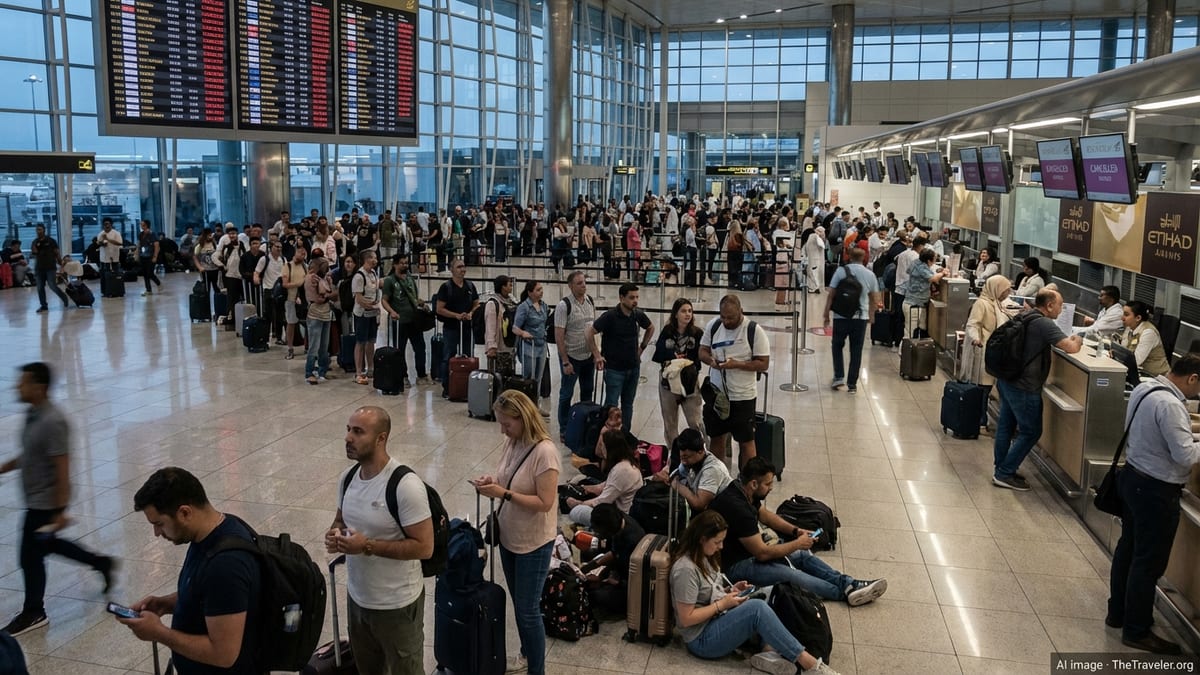
Kuwait flights trimmed as airport operations remain constrained
Published coverage indicates that services between the UAE and Kuwait remain reduced, even as Kuwait International Airport continues operating through a limited set of terminals. While airport authorities have reported a gradual restoration of capacity, the network of flights linking Dubai and Abu Dhabi to Kuwait City is still being adjusted day by day.
Recent government travel advice notes that Kuwait International Airport is currently using specific terminals, with some facilities still closed for repairs and security upgrades. Airlines are therefore concentrating operations in fewer gates and time slots, which is contributing to schedule changes and tighter connection windows.
Carriers serving the route are focusing on core point to point links, meaning some connecting or off peak flights have been suspended or consolidated. Travelers holding tickets routed via Kuwait for onward journeys to Europe or South Asia are among those most exposed to last minute changes and should pay close attention to any notifications from their airline.
Flight tracking data and airport information boards show that departures to and from Kuwait continue, but with a higher than usual number of cancellations and retimings across the day. Passengers are being moved onto alternative services where seats are available, but some itineraries now require rerouting through other Gulf hubs.
UAE airlines adjust Kuwait schedules and offer flexible options
UAE based carriers have introduced targeted cancellations and retimings on Kuwait routes over this weekend, according to regional aviation media. Reports indicate that several Dubai Kuwait and Abu Dhabi Kuwait rotations have been pulled from schedules or combined, particularly at off peak hours.
Publicly available information shows that airlines are generally offering free rebooking or refunds for affected passengers, in line with their disruption policies. Travelers who booked directly through airline websites or apps are usually being contacted first, while those who purchased via third party agents may need to follow up to confirm their options.
Some carriers are also temporarily restricting new bookings on certain Kuwait services until they have greater clarity on airport capacity and airspace conditions for the coming days. That approach is intended to avoid overcommitting seats on flights that may still be vulnerable to further operational changes.
Travel industry updates suggest that flights between the UAE and neighboring Saudi Arabia and Qatar are also being reviewed in light of wider Gulf airspace considerations. However, UAE Kuwait links appear among the most affected today because of Kuwait’s more constrained airport infrastructure and recent history of disruptions.
Regional security context driving evolving Gulf travel alerts
The current wave of adjustments sits against a wider backdrop of regional security concerns. International travel advisories for Kuwait remain elevated, with several governments urging travelers to reconsider nonessential visits because of the threat of armed conflict and the legacy of earlier missile and drone activity targeting aviation infrastructure.
Specialist aviation safety bulletins highlight that parts of Gulf airspace have faced intermittent restrictions over recent months, prompting airlines to reroute or lengthen some services to avoid higher risk areas. These precautions have a knock on effect on schedules and aircraft availability, especially for carriers that rely on short turnaround times at busy hubs.
According to recent travel guidance, Kuwait’s airport is operating under enhanced security measures, and authorities are monitoring conditions closely. While commercial flights are running, the situation remains fluid, and airlines are retaining the flexibility to adjust frequencies if risk levels change or if new regulatory notices are issued.
Travelers departing from the UAE to destinations across the northern Gulf are therefore being urged by airline and government advisories to build additional time into their journeys and to remain alert to possible last minute gate changes, delays or reroutes.
What UAE based passengers should do before heading to the airport
For those flying today from Dubai, Abu Dhabi or other UAE airports with Kuwait on their ticket, the most important step is to verify flight status shortly before leaving for the airport using official airline channels. Same day checks are crucial, as some cancellations and retimings are being loaded into systems only a few hours before departure.
Passengers with connections through Kuwait are advised to confirm that all segments of their itinerary remain confirmed and that minimum connection times are still realistic under the revised schedule. In some cases, airlines may be able to reroute travelers through alternative hubs such as Riyadh, Doha or Jeddah where capacity allows.
Travel advisories also recommend that passengers keep contact details up to date within their bookings and download airline mobile applications where possible, as these often provide the fastest push notifications of disruption. Those who booked through travel agencies should stay in close contact with their agent to avoid missing rebooking deadlines or refund windows.
Given the heightened alert environment across parts of the region, travelers should factor in longer security and check in queues and arrive at the airport earlier than usual. Carrying printed or offline copies of tickets and insurance documents can help if digital systems become congested during peak disruption periods.
Outlook for Kuwait linked travel in the coming days
Forward looking commentary from regional analysts suggests that Kuwait related flight operations may remain uneven in the short term, even if no new security incidents occur. Airlines typically need several days to re balance aircraft and crew after a period of disruption, and some schedules for the week ahead are still being updated.
Government foreign travel pages continue to advise visitors transiting or traveling to Kuwait to keep plans under regular review and to follow local guidance once on the ground. Any further changes in the security situation or airspace restrictions could quickly translate into new rounds of cancellations or diversions affecting UAE based passengers.
For now, publicly available schedules indicate that a core set of UAE Kuwait flights is expected to operate, supported by additional services on busier days if conditions permit. Travelers who can maintain flexibility around dates and times are likely to have an easier time securing alternative options if their original flight is affected.
With the Gulf’s aviation network still recalibrating after months of tension related disruption, experts caution that today’s pattern of cancellations and alerts may not be a one off. Passengers planning trips in the coming weeks are being encouraged to monitor developments closely, purchase tickets with flexible conditions where feasible, and stay prepared for further short notice changes on Kuwait linked routes.