


More news on this day
United Airlines has introduced a new mobile app feature that allows travelers whose flights are disrupted and rebooked to later departures to place themselves on standby for earlier options, giving delayed passengers more control over how quickly they can get back on schedule.
Get the latest news straight to your inbox!
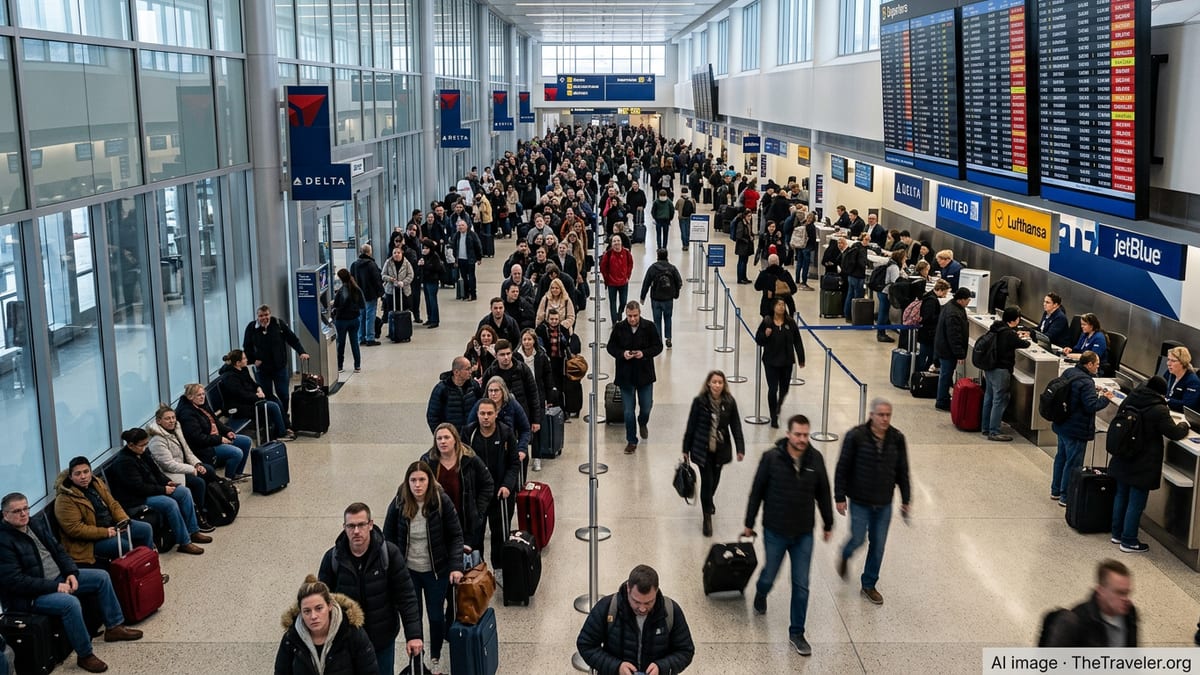
How United’s New Earlier-Flight Standby Feature Works
Publicly available information shows that, starting September 1, 2026, United customers who are automatically rebooked to a later flight after a delay or cancellation can now use the airline’s mobile app to join the standby list for up to three earlier flights to the same destination. The new capability appears only when a trip has been disrupted and rebooked, so it is not visible during a routine, on-time travel day.
According to published coverage, travelers see the option within the disruption-management section of the app once an alternative flight has been assigned. From there, they can select as many as three earlier departures that are eligible for standby and add themselves to the list without needing to speak to an airport agent or call center representative. The feature is designed specifically for irregular operations, rather than for same-day changes on otherwise normal itineraries.
Importantly, customers do not have to give up the confirmed seat on their rebooked flight to take advantage of the new function. Reports indicate that United allows travelers to keep their later confirmed itinerary while the app automatically monitors for open seats on the selected earlier flights. If space becomes available, the airline sends a notification and processes the change, while still preserving the original booking until the traveler decides whether to move.
Industry analysis notes that this approach aims to reduce stress during disruptions by making earlier options visible and actionable in one place, rather than requiring travelers to constantly refresh schedules or wait in long lines to ask about alternatives.
Part of a Broader Push Toward Self-Service Recovery
The new earlier-flight standby option builds on several years of investment in United’s digital disruption tools. In 2023, the airline rolled out in-app capabilities that automatically present personalized rebooking options when a flight is delayed or canceled, along with real-time bag tracking and, when applicable, digital meal and hotel vouchers. These tools were designed to spare travelers from having to join service queues at crowded airports.
Subsequent updates added more detailed information for connecting passengers, including gate-to-gate directions with estimated walking times, live flight status and tailored guidance during longer layovers. Publicly available information shows that the app can also surface new itineraries if a connection is missed, giving customers the option to choose a confirmed replacement flight or to join standby lists for alternatives.
Travel technology observers point out that the new three-flight standby tool fits squarely into this broader strategy. Rather than asking travelers to detect open seats on earlier departures themselves, United’s systems now handle both the search and the standby processing in the background. The airline has previously said its digital tools are intended to reduce the amount of time customers spend waiting in lines or on hold when plans change unexpectedly.
Industry comparisons suggest that major U.S. carriers are all moving toward similar self-service disruption platforms, with rebooking, voucher distribution and bag tracking consolidated inside mobile apps. United’s latest move focuses specifically on giving disrupted travelers a clearer path to earlier flights, which can be particularly valuable during busy holiday periods and weather events when seats are at a premium.
What Travelers Can Expect During a Disruption
Based on current descriptions of the program, the new feature activates only after United has already rebooked a traveler following a flight disruption such as a significant delay or cancellation. At that point, the app highlights the new confirmed flight and, when eligible, offers a prompt to search for earlier same-day departures between the same origin and destination.
Eligible flights appear with a standby option, and customers can choose up to three that best match their preferred timing. Once selections are made, the app handles placement on the standby lists and tracks availability, reducing the need for manual intervention. Travelers can monitor their position in the standby queue and receive notifications if a seat clears.
Coverage of the rollout notes that travelers retain flexibility throughout this process. If no earlier seats become available, they simply remain on the confirmed later flight that was automatically assigned after the disruption. If an earlier seat does open and the traveler chooses to accept it, the app updates the itinerary and boarding pass without requiring a visit to a check-in counter or gate podium.
Reports also highlight that the new function is integrated with United’s existing disruption services, including eligibility for hotel and meal vouchers in certain circumstances. This means that customers may still receive compensation or accommodations through the app while also pursuing an earlier departure, depending on the specifics of the delay or cancellation and the airline’s policies.
Labor Day Travel Provides an Early Stress Test
The timing of the launch is notable. According to publicly available projections from the airline, United expects to carry more than 3.4 million passengers between September 3 and 8, 2026, during the Labor Day travel period, an increase of roughly 300,000 travelers compared with the same stretch the previous year. That surge will provide an immediate test of how the new standby feature performs under heavy demand.
Observers say that high-volume holiday weekends often magnify the impact of even minor weather disruptions or air traffic control constraints, creating cascading schedule changes and crowding customer service points. By shifting more of the disruption-management process into the app, United aims to keep lines shorter at airports while still giving travelers clear options to leave earlier when seats open up.
Travel analysts also note that busy peak periods are when digital tools can have an outsized effect on customer experience. If the new standby functionality works as intended, passengers whose original flights are delayed or canceled may be able to secure an earlier departure with just a few taps, rather than competing for limited in-person assistance at crowded gates and service desks.
How well the feature performs during Labor Day could shape further refinements ahead of other peak seasons, including Thanksgiving and year-end holidays, when operational resilience and clear communication are critical for airlines and travelers alike.
Implications for Frequent Flyers and the Competition
Frequent United travelers are likely to pay close attention to how the standby lists for earlier flights are prioritized within the new system. While the airline has not publicly detailed every hierarchy within the app-based standby queue, existing policies typically factor in loyalty status, fare type and check-in timing. Analysts expect a similar framework to apply to the disruption-focused standby feature, though final seat availability will also depend heavily on day-of operational conditions.
For regular business travelers, the ability to join multiple standby lists after a rebooking could make United’s app more central to trip management decisions. Industry reporting suggests that corporate travel managers increasingly value tools that reduce employee downtime during delays, and in-app disruption handling is emerging as a competitive differentiator among major carriers.
The move also adds a new dimension to the broader race among U.S. airlines to streamline irregular-operations handling. Other carriers have introduced or expanded their own digital platforms that combine rebooking, voucher distribution and baggage updates, and some are turning to artificial intelligence to power conversational support. United’s latest feature emphasizes automation around earlier-flight opportunities, reducing the need for manual standby requests and giving the app a more active role in seeking better outcomes for disrupted customers.
As carriers continue to refine these tools, travelers may see increasing differences in how quickly and transparently each airline helps them recover from disruptions. For now, United’s new in-app standby function positions its mobile platform as a more proactive partner when plans go sideways, especially for those who prioritize arriving as early as possible after a delay or cancellation.
United Airlines press announcement on the new standby feature
TravelPulse coverage of United’s app update