


More news on this day
Christmas travel across the United States in 2026 will unfold under some of the strongest federal scam warnings in years, after the U.S. Treasury and other agencies linked a seasonal surge in AI‑enabled fraud to the year‑end shopping and travel rush.
Get the latest news straight to your inbox!
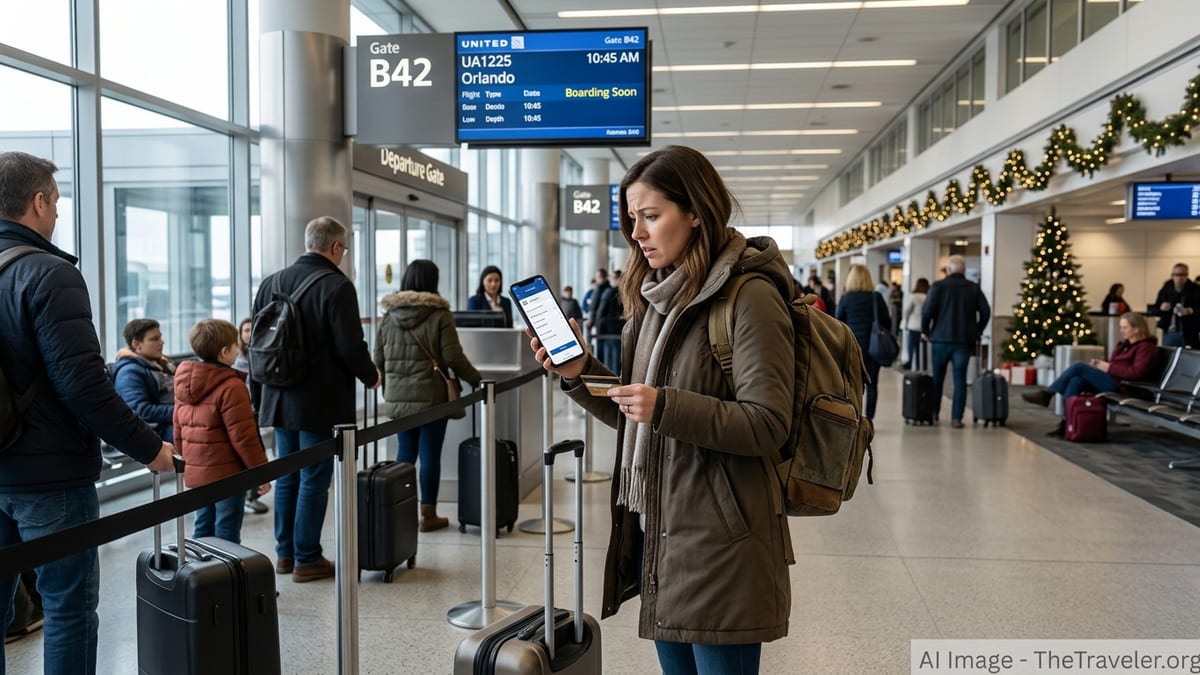
New 2026 advisories spotlight AI‑driven holiday fraud
On November 18, 2026, the U.S. Treasury’s Office of Cybersecurity and Critical Infrastructure Protection issued its latest seasonal advisory on holiday scams, highlighting a rise in cyber‑enabled fraud and warning that criminals are now using what it calls “super intelligence” tools to impersonate businesses and loved ones in convincing ways. The advisory urges anyone who suspects they have been targeted to report incidents promptly through the Federal Trade Commission’s ReportFraud portal or the FBI’s Internet Crime Complaint Center.
The Treasury document frames the 2026 holiday period as a high‑risk window because of the spike in online shopping, charitable giving and travel purchases, rather than because of any single sector. It emphasizes that scam victims increasingly encounter realistic emails, websites and voice or video messages that appear to come from trusted contacts, including travel providers and financial institutions, and warns consumers to slow down, verify requests independently and avoid clicking on unsolicited links.
The FBI has issued separate 2026 public service announcements on cyber threats and impersonation schemes, and its Boston field office has recently reiterated that the holiday period is a prime time for technology‑assisted fraud. These alerts focus broadly on financial scams but note that scammers frequently exploit travel‑related communications, such as itinerary emails or reward‑program messages, to make fraudulent payment requests look routine.
Holiday travel scams called out in banking and consumer guidance
The U.S. Office of the Comptroller of the Currency continues to highlight holiday and gift‑card fraud in its Safe Money series, including a fact sheet on holiday and gift card scams that identifies travel scams as a notable seasonal risk. That material describes how, as people book peak‑season trips, scammers promote fake travel deals, cheap flights or holiday vacation packages, often requiring upfront payment via methods that are difficult to reverse, such as wire transfers or certain digital payments.
The OCC guidance advises consumers to book only through reputable travel agencies or directly with airlines and hotels, to confirm bookings before sending money and to be cautious of unsolicited offers for discounted travel or luxury accommodations. While the publication is not limited to Christmas‑period travel, it states that such scams intensify when holiday demand and time pressure are high, which typically includes late‑December trips to major U.S. destinations.
In parallel, the Federal Trade Commission updated its own travel‑fraud advice in 2026, focusing on how to avoid fake vacation rentals, imposter travel agents and social‑media promotions that vanish once payment is made. The agency stresses that legitimate businesses do not insist on payment solely via gift cards, wire transfers, payment apps or cryptocurrency, and it recommends researching any unfamiliar travel company with search terms that include the word “scam” before committing funds.
AARP flags ‘reservation hijack’ and booking‑system risks
AARP’s November 11, 2026 holiday fraud advisory reports that 84 percent of U.S. adults surveyed say they have experienced at least one common type of fraud attempt, such as fake shipping texts, bogus charity appeals or misleading digital ads. Within that broader picture, AARP warns that holiday travelers are seeing more “reservation hijack” scenarios, in which scammers interfere with or mimic hotel, rental or ticketing systems to redirect payments or capture card details.
In some cases described in AARP’s materials, victims are steered from legitimate hotel or airline contact channels to look‑alike websites or call centers, where fraudsters request new card information to “reconfirm” bookings or fix supposed problems with itineraries. Although the advisory does not single out specific cities or attractions, it notes that these tactics are especially likely to appear around peak‑demand dates, which for many U.S. travelers include Christmas travel to large urban centers, theme‑park hubs and ski regions.
AARP’s guidance for 2026 encourages travelers to access existing bookings only through official apps or bookmarked sites, avoid phone numbers and links found in unsolicited emails or search‑engine ads and contact properties or airlines using verified details from original confirmation messages. It also urges travelers to check card statements frequently during and after trips and to dispute unfamiliar charges quickly.
What the warnings mean for 2026 Christmas hotspots
None of the 2026 federal or national consumer advisories identifies a crime wave at specific holiday landmarks such as Times Square, Orlando’s theme parks or Las Vegas Strip resorts. Instead, they describe scams that can reach travelers heading to any busy Christmas destination, from big‑city shopping breaks to ski towns and national‑park gateway communities, wherever bookings and payments are made online or over the phone.
For flights into major hubs and popular seasonal routes, the practical risks include fake airline or rental‑car confirmation pages, spoofed loyalty‑program messages and fraudulent notifications claiming a problem with Christmas‑week itineraries that must be fixed immediately with a new payment. Around resort areas and cities where short‑term rentals are popular, authorities warn that cloned listings and non‑existent properties continue to appear on lesser‑known sites and social platforms, often promoted as last‑minute Christmas bargains.
Law‑enforcement and banking bulletins also caution that traditional fraud techniques, such as card‑skimming devices at fuel pumps or ATMs near airports and interstate corridors, remain a concern during peak driving periods. While these risks are not new, agencies say the use of AI tools to generate realistic customer‑service scripts, fake support chats or altered images can make both online and in‑person scams harder to spot for hurried holiday travelers.
How Christmas 2026 travelers can cut their risk
Authorities recommend that anyone booking Christmas trips in the United States this year verify websites by navigating directly to known domains instead of following links in unsolicited emails, texts or social‑media ads. Travelers are advised to use credit cards rather than debit cards where possible, because credit‑card protections and dispute processes are typically stronger if a booking proves fraudulent or a card number is misused while on the road.
The Treasury advisory and OCC materials stress the importance of independently confirming any payment request that references real itinerary details, such as flight numbers or hotel names, by contacting the provider using official channels. The FTC and AARP both note that pressure to act immediately, secrecy about a supposed problem and insistence on hard‑to‑trace payment methods are all warning signs that a holiday travel deal or urgent message may be a scam.
Travelers who suspect fraud during the 2026 festive season are urged to document what happened, notify their bank or card issuer quickly and then report the incident to national platforms such as the FTC’s fraud portal and the FBI’s Internet Crime Complaint Center, as well as to any relevant local law‑enforcement agency. Officials say those reports will help refine scam advisories for 2027 and could support future enforcement actions that affect how safe Christmas travel will be in the years ahead.