


More news on this day
As the US-Iran conflict continues to disrupt air and sea routes across the Gulf, UAE residents are again being urged to plan travel cautiously this evening, Saturday, September 19, 2026, with schedules and advisories changing quickly.
Get the latest news straight to your inbox!
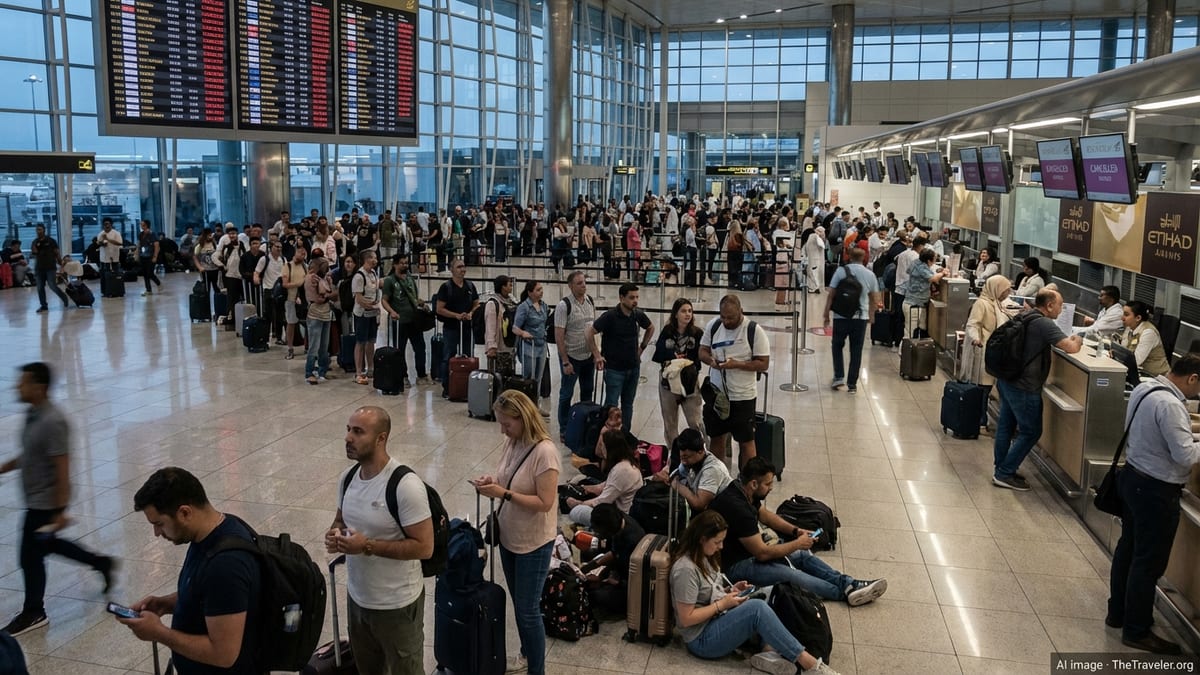
Flights tonight: what to check before heading to the airport
Published coverage on September 19 described a region-wide travel picture shaped by periodic airspace restrictions and short-notice schedule changes, even when UAE airports themselves are operating normally. The most practical step for passengers tonight is to verify the status of their specific flight with their airline using the booking reference and to re-check close to departure, since routings can change due to overflight constraints across the wider region.
For UAE-based travelers, the risk is less about day-to-day closures at Dubai International or Zayed International and more about knock-on effects: longer routings around affected airspace, aircraft and crew rotations delayed elsewhere, and missed connections. If you are connecting via hubs in the region, allow extra time and keep an eye on any changes to the second leg, not just the first.
Airline self-service tools remain the fastest way to manage disruption. Emirates’ published disrupted-travel guidance emphasizes keeping contact details updated to receive operational notifications, and it sets out common options for disrupted itineraries such as rebooking and refunds depending on fare conditions and eligibility. If you booked via an agent, published airline guidance typically routes changes and refunds through that channel, which can add time during high-volume periods.
Airspace risk remains elevated: why reroutes and delays persist
Even when terminals are busy and departure boards look normal, the airspace environment around the Gulf remains a key variable. European aviation safety material continues to flag elevated risk for parts of the Persian Gulf and Gulf of Oman airspace, with active conflict-zone advisories extending through the end of September 2026. That backdrop helps explain why some carriers maintain conservative routings and why flight times can be longer than usual on certain corridors.
Travel advisories issued by foreign governments also continue to frame the UAE as a destination affected by regional armed conflict risk, alongside other security concerns. For residents hosting visiting friends or family from abroad, it is worth noting that these advisories can influence travel insurance coverage and insurer willingness to pay disruption claims, particularly for cancellation and curtailment.
For passengers transiting tonight, consider what “small” changes can mean operationally: a reroute that adds fuel burn and time can cascade into later delays, and last-minute flight-plan changes can affect seat assignments, checked baggage handling, and connection windows. Keeping essentials in carry-on and planning for extended connection times are straightforward ways to reduce stress.
Maritime situation: why it matters to UAE residents even if you are not sailing
The maritime environment around the Strait of Hormuz and nearby waters remains a focal point of the broader conflict. Recent public advisories for shipping continue to recommend heightened vigilance in the approaches to the strait and the Gulf of Oman, and recent reporting has highlighted continuing incidents involving merchant vessels in the area.
Even for most UAE residents who will never interact directly with commercial shipping, this matters because maritime risk influences energy markets, shipping costs, and supply-chain reliability across the region. It can also affect cruise and ferry itinerary planning, offshore work rotations, and travel time planning for anyone who relies on sea freight schedules for business.
International maritime organizations have publicly urged an end to attacks on merchant ships and seafarers, while industry guidance continues to emphasize situational awareness and adherence to recognized transit corridors. For residents following the headlines about the Strait of Hormuz, the key takeaway is that the situation can shift quickly, and transport impacts often show up first as schedule variability and cost pressure rather than as an immediate change visible onshore.
Fuel and day-to-day costs: the September UAE pump prices to know
For residents on the road this weekend, the UAE’s officially published September 2026 retail fuel prices are in effect nationwide through September 30. Super 98 is set at AED 3.80 per litre, Special 95 at AED 3.69, E-Plus 91 at AED 3.61, and diesel at AED 4.30 per litre.
Those fixed monthly rates matter for travel planning in a practical way: commuting, school runs, inter-emirate driving, and weekend road trips all become more expensive when prices rise, and diesel pricing can feed into delivery and logistics costs. If you are planning a longer drive tonight or tomorrow, budgeting based on the published per-litre price helps avoid surprises.
Residents who depend on ride-hailing or delivery services may also notice that higher fuel input costs can tighten promotions and increase surcharges over time, even when base fares do not immediately change. For travelers, it is a reminder to compare the total cost of getting to the airport, including parking, tolls, and potential peak-hour pricing.
If you must travel tonight: document, insurance, and communications checks
With the region’s operating environment still fluid, travelers benefit from a quick pre-departure “resilience check” before leaving home: confirm your passport validity and any destination entry requirements, screenshot your itinerary and booking references, and make sure your airline profile has the phone number and email you actually use. During disruption, updates often arrive by SMS or email first, and missing an alert can mean arriving at the airport for a changed flight.
Insurance is another friction point in crisis periods. Before travel, review whether your policy includes disruption coverage and whether it contains exclusions tied to armed conflict, airspace restrictions, or government travel advisories. If you are already traveling, keep receipts for additional meals, ground transport, and accommodation, since claims typically require documentation even when an airline provides partial support.
Finally, avoid behavior that can create unnecessary risk or legal exposure. Public travel advisories for the UAE routinely remind visitors that local rules are strict on a range of issues, and that filming sensitive sites or incidents can cause problems. In a tense security climate, it is smarter to focus on verified travel updates, keep plans flexible, and prioritize calm, early decision-making over last-minute airport runs.