


More news on this day
The United States has launched a sweeping international crackdown on alleged birth tourism schemes, revoking more than 600 visas linked to suspected fraud networks operating across Europe, North Africa and West Africa, according to recent media coverage of State Department announcements.
Get the latest news straight to your inbox!
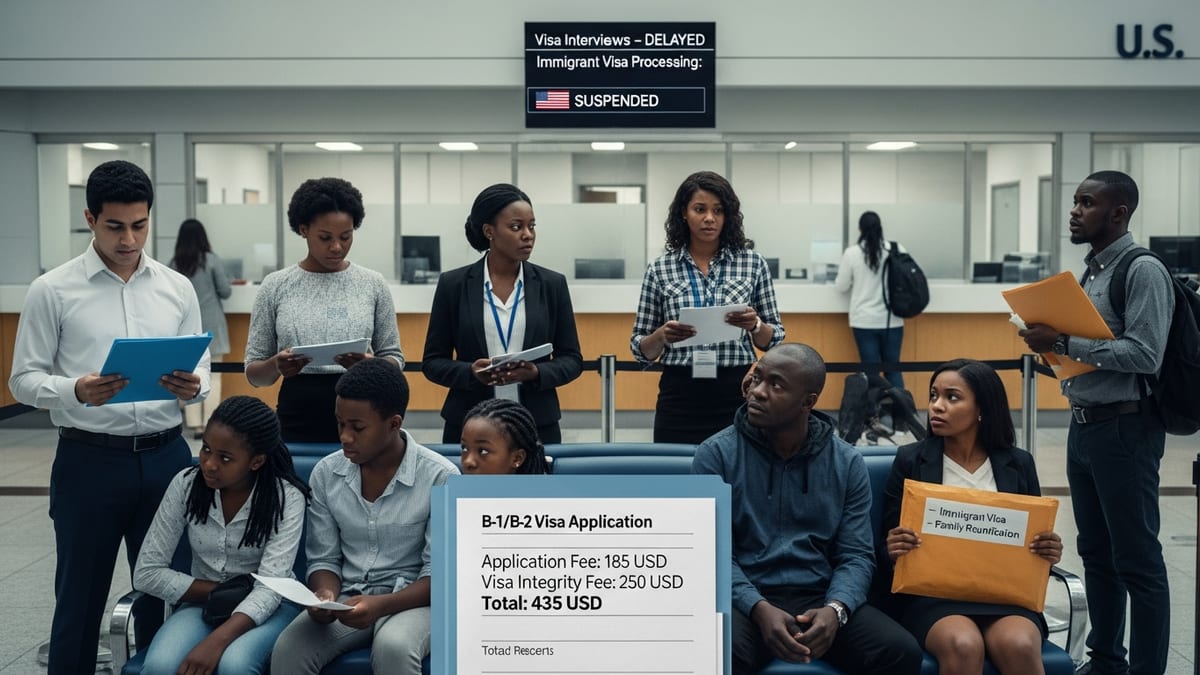
Coordinated Operations Span Three Regions
Recent reports indicate that U.S. embassies in Europe, North Africa and West Africa have spent months tracing patterns of suspicious travel and document irregularities connected to pregnant travelers seeking to give birth in the United States. Coverage on outlets including NBC regional affiliates and international news sites describes a coordinated push that has now culminated in large-scale visa cancellations across multiple countries.
According to publicly available information, the largest concentration of identified cases appears to be in parts of Europe, where embassy staff reportedly flagged more than 400 suspected birth tourism cases dating back to 2024. In parallel, a U.S. mission in North Africa is reported to have revoked more than 100 visas after applicants were linked to organized “birth tourism” arrangements.
In West Africa, media summaries of State Department social media posts describe a particularly elaborate network involving more than 100 foreign nationals. Those individuals are alleged to have relied on visa middlemen, falsified documentation and specialized travel packages designed to secure entry to the United States specifically for childbirth.
Across all three regions, the combined count of canceled visas now exceeds 600, with some outlets reporting that those affected face permanent ineligibility to return to the United States because of the fraud findings.
How Birth Tourism Schemes Operate
Birth tourism is a long-scrutinized practice in which pregnant foreign nationals travel to another country to give birth so their children can acquire citizenship by birthplace. In the U.S. context, analysts note that networks have emerged over time to commercialize the practice, offering end-to-end services that can include coaching on visa interviews, falsifying financial or employment records and arranging accommodation close to American hospitals.
News coverage of the latest actions points to so-called “visa fixers” and “brokers” who allegedly played a central role in the dismantled networks. These intermediaries are reported to have guided clients through application forms, coached them on plausible travel narratives that concealed their true plans and, in some cases, provided forged supporting documents to strengthen visa applications.
Investigative reports from European and African media describe packages marketed as “maternity tourism” or “birth travel,” which bundled hospital referrals, local transportation and short-term housing in U.S. cities. The recent enforcement campaign appears to have targeted not only the travelers themselves but also the companies and individuals suspected of organizing and profiting from these services.
Analysts writing in immigration-focused outlets say the latest crackdown underscores how digital footprints, travel histories and document verification systems are increasingly used to piece together patterns suggesting coordinated fraud rather than isolated individual cases.
Travel and Visa Implications for Legitimate Visitors
The sweeping nature of the crackdown is raising questions among prospective travelers and diaspora communities across the affected regions. While the reported visa revocations focus on individuals linked to birth tourism networks, commentators in travel and immigration media note that broader scrutiny of certain visa categories is likely to intensify.
Publicly available guidance from U.S. government channels has long emphasized that visiting while pregnant is not, in itself, a violation of visa rules, provided the traveler is truthful about the purpose of their trip and meets financial and medical requirements. However, the latest enforcement actions highlight that misrepresenting the main purpose of travel, concealing advanced pregnancy or relying on falsified documents can lead to severe, long-term immigration consequences.
In practical terms, consular observers expect more detailed questioning of applicants whose profiles suggest possible medical or childbirth-related travel, especially from locations where networks have recently been exposed. Supporting documentation such as employment letters, bank statements and travel itineraries may be subjected to heightened verification.
Travel industry commentators caution that legitimate tourists, business travelers and students from some countries may face longer processing times and more intensive interviews, even when they have no connection to birth tourism schemes. Some regional media outlets are already reporting increased anxiety among would-be visitors who fear that general suspicion could rise in the wake of the crackdown.
Broader Context of US Immigration Enforcement
The dismantling of alleged birth tourism networks comes against a backdrop of tighter U.S. immigration and visa enforcement measures in recent years. Policy analysts note that the U.S. government has increasingly linked visa oversight to concerns about fraud, public benefits usage and national security, with several recent initiatives aimed at expanding data-sharing and continuous vetting of visa holders.
Think-tank commentary and prior congressional reports have described birth tourism as a niche but symbolically charged issue, intersecting with debates about birthright citizenship, health care costs and the integrity of the visitor visa system. The new actions across Europe, North Africa and West Africa appear to signal that the practice remains a live enforcement priority.
Some immigration advocates quoted in regional coverage warn that aggressive anti-fraud campaigns can have unintended side effects, including discouraging legitimate medical travel and complicating cross-border family visits. Others argue that efforts to root out organized fraud are necessary to preserve public confidence in the system and protect applicants who follow the rules from being crowded out by those who do not.
For now, the latest wave of more than 600 visa revocations serves as a high-profile demonstration of U.S. willingness to act on patterns detected by consular posts worldwide, with additional investigations into related networks reported to be ongoing.
What Travelers Should Watch in the Months Ahead
As news of the crackdown circulates across Europe and Africa, travel advisers are urging prospective visitors to the United States to pay close attention to evolving visa guidance and to ensure complete transparency in their own applications. Legal experts cited in immigration-focused publications stress the importance of declaring the true purpose of travel and avoiding any third-party services that encourage document alteration or deceptive interview tactics.
Applicants planning legitimate medical trips, including childbirth or specialized treatment, are likely to face more detailed questions about their arrangements, financial capacity and care plans. Commentators note that clear documentation from trusted medical providers and proof of sufficient funds to cover all costs without recourse to public programs may help consular officers distinguish bona fide cases from those tied to illicit networks.
For the travel industry more broadly, the episode underscores how quickly regulatory and enforcement shifts can ripple through flight bookings, insurance products and destination marketing strategies. Airlines, tour operators and medical travel facilitators serving affected regions may need to update clients on changing expectations at U.S. consulates and ports of entry.
With investigations into fraudulent birth tourism networks still unfolding, observers expect additional details about specific cases and responsible intermediaries to emerge over time. For now, the headline takeaway for travelers is clear: visa applications connected to childbirth are under more scrutiny than ever, and any hint of misrepresentation can carry lasting consequences for future access to the United States.