


More news on this day
The United States has issued a fresh security alert for its citizens across the Middle East, urging Americans to be vigilant, closely monitor developments and be ready to leave quickly if tensions in the region escalate further.
Get the latest news straight to your inbox!
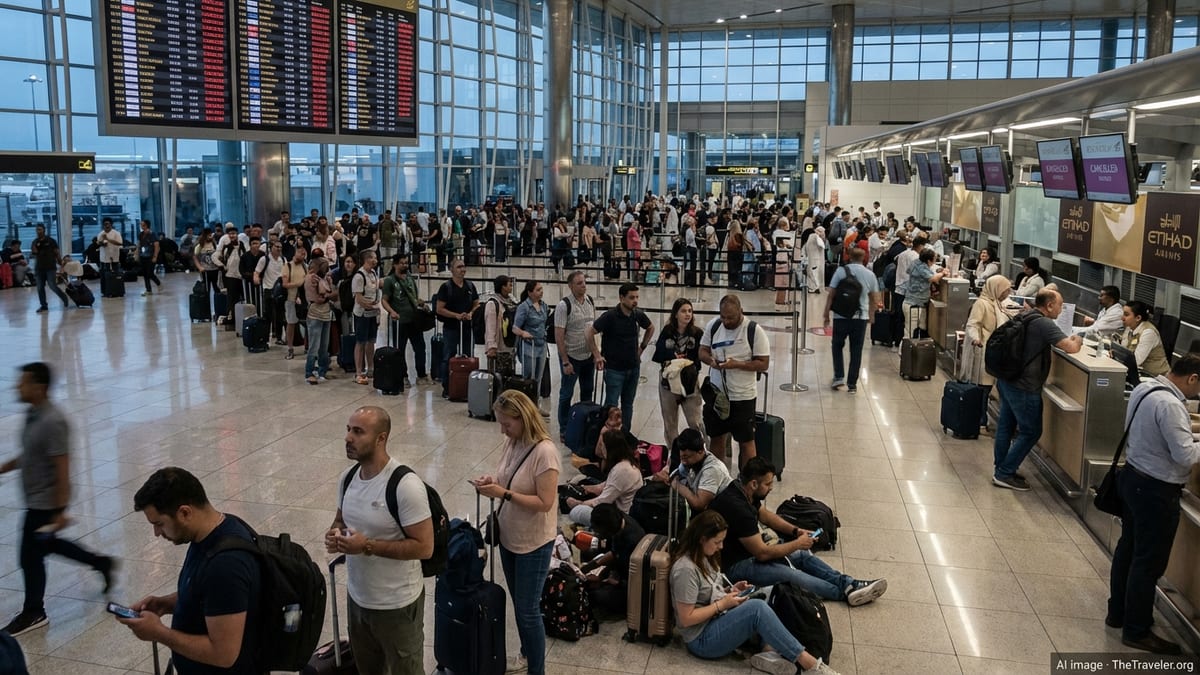
Security alert stresses readiness to depart
The latest alert, circulated through multiple US embassies and consulates on 1 August 2026, advises Americans in the Middle East to maintain a heightened level of caution and to be prepared for rapid changes in the security environment. Publicly available notices describe the risk of “unexpected escalation” and underline that conditions could shift with little or no warning.
The guidance does not amount to a blanket evacuation order, but it marks a clear warning that travel could become more difficult if regional tensions intensify. The alert emphasizes that Americans should have contingency plans to depart using commercial options while they remain available.
Reports indicate that diplomatic missions across Bahrain, Iraq, Israel, Jordan, Kuwait, Lebanon, Oman, Qatar, Saudi Arabia and the United Arab Emirates have amplified the regional message through their own communication channels. The coordinated nature of the alert has drawn attention among travelers and expatriate communities who rely on regular air connections through hubs such as Dubai, Doha and Riyadh.
According to published coverage and travel advisory summaries, the alert builds on a series of warnings issued earlier in 2026 in response to the military buildup and conflict involving Iran and US forces. Those earlier notices urged Americans to reconsider travel or depart some countries in anticipation of a possible wider confrontation.
What the advisory means for travelers and expatriates
For Americans currently living, working or vacationing in the Middle East, the alert is framed around preparation rather than panic. Public information encourages citizens to verify that their travel documents are valid, ensure they have access to funds for emergency tickets and keep family members informed of their plans. Travelers are also urged to register their presence with consular notification systems so that they can receive direct updates.
Travel risk assessments circulating in recent weeks note that in previous periods of regional conflict, routes have closed with little notice, leaving foreign nationals scrambling for limited seats on outbound flights. In some past cases, nonessential US government personnel were ordered to leave while private citizens were left to rely on commercial carriers or third-country evacuation efforts. Analysts point out that the current language about being “prepared to depart” appears designed to avoid a repeat of situations where people waited until options had narrowed.
Published commentary from travel-security specialists highlights that the impact of the alert will vary significantly by country and even by city. Gulf hubs with strong aviation links may continue operating at reduced but functional capacity, while areas closer to active hostilities or key military sites could experience more abrupt shutdowns. Americans in the region are being advised to track not only national advisories but also airline operational updates and airport notices.
For those planning upcoming leisure or business trips, the advisory serves as a strong signal to reassess itineraries. Industry reports suggest that some international airlines have already adjusted schedules or routing to avoid particular airspaces, and travelers may face longer journeys, last-minute changes or higher fares as capacity shifts.
Escalating tensions and the wider conflict backdrop
The security alert comes against the backdrop of the 2026 Iran conflict and the broader US military buildup in the region that began earlier this year. Open-source reporting describes a substantial deployment of US air and naval assets, as well as intensified missile-defense preparations in and around the Gulf, contributing to a sense of uncertainty for residents and visitors alike.
Regional timelines compiled by international media show that since late winter, governments have periodically urged their citizens to leave Iran and neighboring states when conditions worsened. Several countries have issued “do not travel” warnings for parts of the Middle East, while others have advised against nonessential trips or recommended that nationals leave while commercial routes remain open.
Analysts examining the latest US alert note that it follows months of sporadic attacks on infrastructure, cross-border strikes and threats to shipping lanes. Publicly available situation reports describe risks that range from missile and drone attacks to disruptive cyber incidents targeting airports, airlines and energy facilities.
While some regional governments continue to promote a message of calm to support tourism and business confidence, the pattern of advisories from foreign capitals underscores concerns about the potential for rapid, localized escalation. Travel observers point out that even limited military actions can trigger sudden airspace closures or insurance restrictions that make routine flights impossible, as seen in previous crises.
Practical steps for Americans currently in the region
For American travelers and residents on the ground, the most immediate guidance centers on practical risk management. Public information encourages people to map multiple exit routes, including alternative airports or overland crossings, in case primary gateways are disrupted. Maintaining flexible travel plans, such as tickets that can be changed with minimal penalties, is also being widely recommended.
Security advisories emphasize the importance of staying informed through a mix of official alerts, reputable news outlets and local notices. In past emergencies, people who closely followed developments were often able to secure seats on early flights out of affected areas, while those who delayed decisions sometimes faced limited or prohibitively expensive options.
Travel experts also caution Americans to consider the indirect effects of heightened tension. Beyond the immediate risk of violence, periods of escalation can bring fuel shortages, internet disruptions, curfews or checkpoints that make movement more difficult. Having essential supplies, copies of key documents and a plan for communicating with family members if networks are overloaded can provide additional resilience.
At the same time, many parts of the Middle East remain calm in day-to-day terms, and the alert does not suggest that every American should leave immediately. Instead, the message is framed as a call to be prepared, to understand how quickly circumstances can change and to decide in advance under what conditions it would be prudent to depart.
Impact on regional tourism and future travel plans
The advisory is expected to weigh on a Middle Eastern tourism sector that had been rebuilding after years of pandemic-related disruption and earlier conflicts. Industry commentary notes that some destinations had worked hard to brand themselves as safe, modern hubs for stopovers, conferences and large-scale events, relying heavily on visitors from North America and Europe.
While many leisure travelers may simply reroute to other destinations, the perception of increased risk can take longer to reverse, even after tensions ease. Airlines and tour operators are likely to respond by offering more flexible booking policies or alternative itineraries outside the most affected areas in an effort to retain customers who remain interested in the region.
Travel analysts suggest that once the security environment stabilizes, there may be a gradual return of demand, particularly to cities with strong infrastructure and international branding. However, for now, prospective visitors are being encouraged to follow developments closely, consult travel advisories and consider how comfortable they are with a rapidly changing situation.
For Americans already in the Middle East, the central message of the latest alert is to think ahead: to be ready to move quickly if necessary, and to recognize that in a fast-moving regional crisis, preparation can make the difference between an orderly departure and being stranded as routes close.