


More news on this day
The United States is urging its citizens outside the Middle East to “seriously reconsider” travel to and through the region, as rising tensions with Iran, recurring drone and missile threats, and the risk of sudden airspace closures create a volatile environment for international trips.
Get the latest news straight to your inbox!
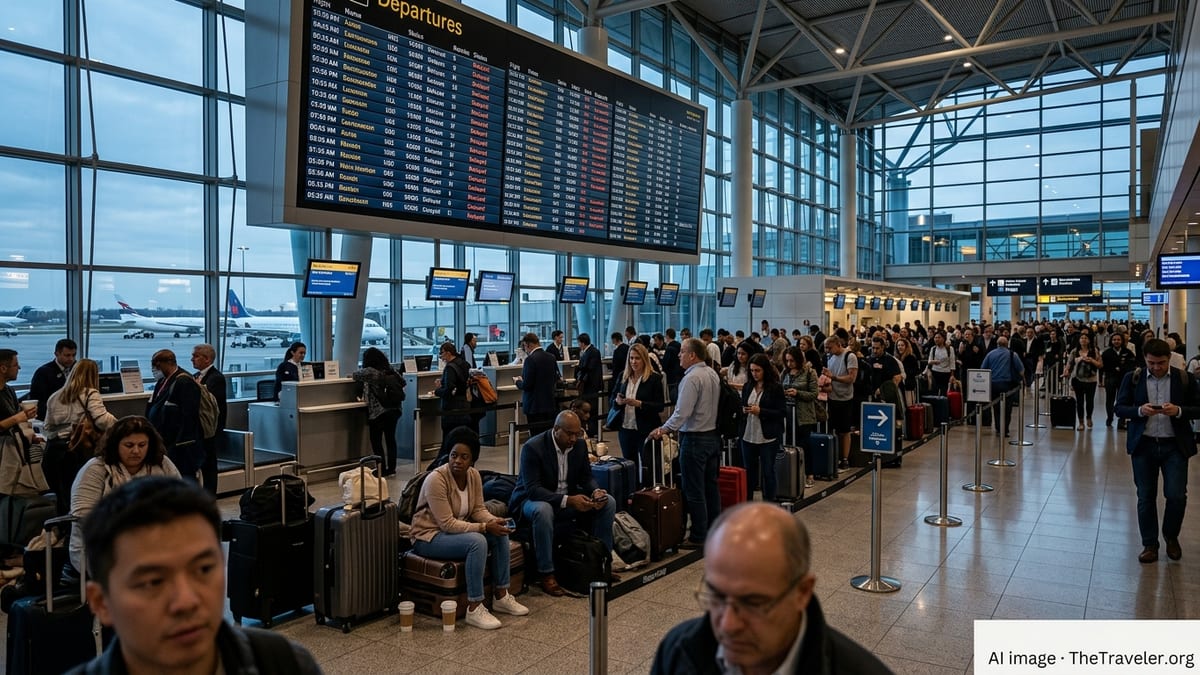
Global alert urges pause on nonessential Middle East trips
Recent alerts highlight a heightened risk landscape across much of the Middle East, with the United States cautioning that the security situation could change with little warning. A regional crisis involving Iran and armed groups aligned with it has led to warnings that travel to or via key hubs in the Gulf and neighboring states carries elevated risk.
Publicly available information indicates that the latest messaging builds on a broader advisory issued in July 2026, which encouraged Americans worldwide to reconsider itineraries involving the Middle East as concerns grew over a potential wider conflict. Subsequent updates in September have emphasized that even travelers merely transiting regional airports could be affected by sudden flight disruptions.
Coverage by international and regional media in late September reports that US missions in the Gulf are drawing attention to the possibility of rapid escalation, including further missile or drone launches and retaliatory strikes. The alerts stress that such developments may affect not only travelers already in the region but also those planning to connect through major aviation gateways.
Rising tensions with Iran drive expanded risk assessments
Country-specific advisories on the US State Department’s website show that several Middle Eastern destinations are now at Level 3, the category that urges travelers to “reconsider travel.” These advisories cite terrorism, armed conflict, and other security concerns, with particular focus on threats linked to Iran and armed groups that support it.
Official travel pages for countries including Qatar, Kuwait, Saudi Arabia, Bahrain, and the United Arab Emirates reference the onset of hostilities between the United States and Iran on February 28, 2026, as a turning point. Since then, advisories have repeatedly noted an ongoing threat of drone and missile attacks targeting American interests and critical infrastructure, as well as the potential for spillover incidents affecting civilian areas and airports.
Some advisories also describe restrictions on the movement of US government personnel, underscoring the seriousness with which Washington is treating the current situation. While the details vary by country, the overall picture presented in these public documents is one of elevated and unpredictable risk across much of the region.
Aviation disruptions and airspace closures weigh on trip planning
Travel guidance for Qatar, Saudi Arabia, the United Arab Emirates, and neighboring states highlights the possibility of significant disruptions to commercial flights. According to official advisory texts, there have already been periods of disrupted air traffic linked to security concerns, and notices from aviation regulators warn that regional airspace could be restricted or closed at short notice.
The Federal Aviation Administration has issued regulatory notices for the broader Gulf region, pointing to risks to civil aviation from political and military tensions. These notices advise US operators to closely review threat information before flying in or near affected airspace. For passengers, this translates into a higher likelihood of delays, diversions, or cancellations on routes that cross or connect through the Middle East.
Travel industry analyses released in mid-2026 note that carriers serving major hubs such as Doha, Dubai, and other Gulf cities have already had to adjust schedules at various points in response to security developments. While many flights continue to operate, the possibility that routes could be altered or suspended with little warning is now a central consideration for prospective travelers.
What the advisories mean for leisure and transit travelers
For US citizens weighing vacations or stopovers in the Middle East, the current Level 3 recommendations do not amount to a blanket ban on travel, but they do signal that the US government views the risks as substantial. The published guidance encourages travelers who still decide to go to develop detailed contingency plans, including alternative exit routes and the ability to depart or reroute quickly if conditions deteriorate.
Advisories relating to Gulf states and nearby countries frequently recommend that travelers enroll in official alert systems that provide security updates and facilitate contact in emergencies. The same sources also urge close monitoring of local news and airline communications, as information on flight status, curfews, or new restrictions may emerge with little advance notice.
Travel reporting from industry outlets in August and September indicates that some travelers have already begun to reroute itineraries away from the region, opting for connections through Europe or Asia instead of Gulf hubs. Others are postponing nonessential trips, waiting to see whether tensions ease or new diplomatic efforts reduce the likelihood of further escalation.
Key considerations for Americans still planning Middle East trips
Public guidance stresses that anyone moving ahead with Middle East plans should review both the global alert language and country-specific advisories before booking. In some destinations, risks may be concentrated in particular border regions or sensitive areas, while other parts of the same country may continue to function as important business and transit centers.
Travel analysts point out that flexible booking options and clear cancellation policies are now especially important for itineraries involving the Gulf and neighboring states. Travelers are being encouraged to verify rebooking rules with airlines and tour operators and to ensure that travel insurance, if purchased, does not exclude disruptions tied to conflict or security alerts.
Given the evolving situation, experts also highlight the value of maintaining a low profile, avoiding large gatherings, and being prepared to shelter in place for short periods if local authorities impose movement restrictions. While most trips to the region still conclude without incident, the combination of geopolitical tension and aviation vulnerability underpins the US message that Americans should carefully reevaluate whether travel to and through the Middle East is essential at this time.