


More news on this day
The United States is urging its citizens outside the Middle East to seriously reconsider travel to and through the region, as escalating tensions with Iran and related armed groups trigger new security alerts, disrupted flight schedules, and a patchwork of higher-level advisories across multiple countries.
Get the latest news straight to your inbox!
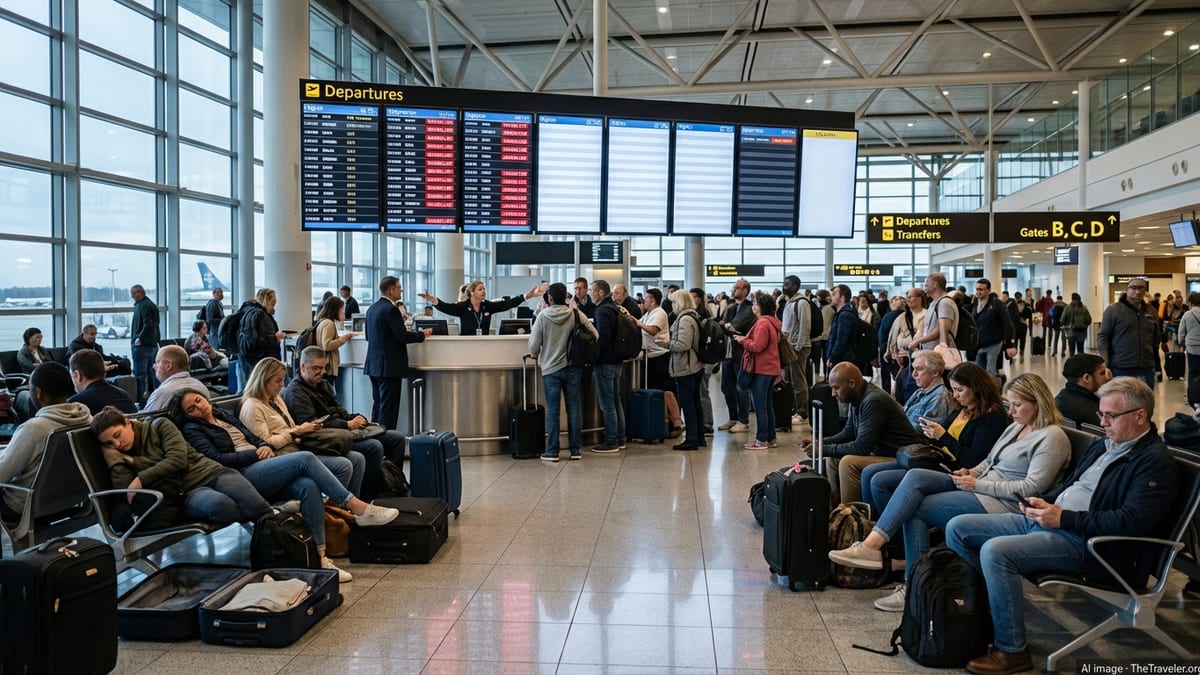
New security alert highlights evolving regional risks
According to published coverage and recent updates from the U.S. government, the latest alert was issued around September 20, 2026, as part of a broader response to the risk of a wider conflict involving Iran and its allied groups. Public information indicates that the message, circulated through U.S. missions abroad and consular channels, urges Americans not currently in the region to reconsider plans that involve flying to, from, or transiting through Middle Eastern hubs.
Reports indicate that the advisory is framed as a response to a "complex security environment" and the potential for rapid escalation. It highlights concerns about missile and drone activity, including attacks linked to Iranian-aligned groups, as well as the risk of attacks on locations associated with U.S. interests worldwide. The language reflects a shift from country-specific cautions to a more regional warning that covers both direct travel and connecting itineraries.
Coverage by international news outlets notes that the alert follows months of rising tension, including hostilities between the United States and Iran that began in late February 2026. Since then, U.S. travel advisories for several Middle Eastern states have been raised to Level 3, urging citizens to reconsider travel, while some areas remain under Level 4 guidance advising against travel altogether.
Multiple Middle East destinations at Level 3
Publicly available information on the State Department’s advisory system shows that several key destinations in the region are currently listed at Level 3, meaning “Reconsider Travel.” Recent updates for Qatar, the United Arab Emirates, Bahrain, Saudi Arabia, and Jordan all cite the threat of armed conflict, terrorism, or a combination of both as primary risk factors.
Qatar’s Level 3 advisory, updated in late August 2026, specifically references the risk of armed conflict and notes an ongoing threat of drone and missile attacks in the wider Gulf following the onset of hostilities with Iran earlier in the year. Similar language appears in advisories for the United Arab Emirates and Jordan, which point to the possibility of disruptions to commercial air traffic and the broader impact of regional tensions on major transport hubs.
Saudi Arabia’s advisory, raised again in mid September 2026, also sits at Level 3, citing terrorism concerns and the risk of Iranian drone and missile targeting of American interests. Nearby Bahrain carries comparable warnings, with published guidance stressing the potential for sudden changes in the security environment and advising Americans to have contingency plans that do not depend on U.S. government-organized evacuations.
Airspace, flight disruptions, and transit concerns
The latest alert draws particular attention to aviation risks. Public documents and industry assessments describe how tensions have led to the issuance of special aviation notices covering portions of Middle Eastern airspace. The Federal Aviation Administration has warned of risks to civil aviation in the region and advised U.S. operators to carefully review threat information before planning routes.
Travel analysis reports compiled during mid 2026 describe intermittent disruptions on routes that cross the Gulf region, including rerouted flights, extended flight times, and temporary cancellations connected to security concerns. Some of the most heavily affected corridors are those linking North America and Europe with destinations in the Gulf, Levant, and parts of South Asia that rely on major Middle Eastern hubs for connections.
According to recent coverage from travel industry outlets, the U.S. alert explicitly notes that Americans should be prepared for short-notice changes such as flight cancellations, airspace closures, and diversions. Travelers who are not yet in the region are being encouraged to consider whether their plans can be postponed, rerouted through other hubs, or replaced with itineraries that avoid Middle Eastern transit points altogether.
Heightened caution for Americans already in the region
While the latest message focuses on those considering new trips, Americans already in the Middle East are also being advised to exercise increased caution. Public guidance emphasizes staying informed through local news, maintaining flexible travel plans, and ensuring that travel documents and essential supplies are kept ready in case conditions deteriorate.
Recent government information encourages U.S. citizens in affected countries to enroll in official alert systems so they can receive security updates and notices of any changes to embassy or consulate operations. Past advisories this year have included ordered departures or restrictions on non-emergency U.S. government personnel and their families in certain locations, underscoring the possibility that staffing and service levels at consulates could change quickly.
Analyses from risk consultancies note that while many popular tourist areas in the region remain calm, the combination of heightened rhetoric, sporadic attacks, and increased military activity has raised the overall risk profile. As a result, standard travel planning now includes contingency considerations such as alternative exit routes, additional travel insurance, and closer attention to airline and airport communications.
What the alert means for upcoming trips
For Americans planning fall and winter travel, the shift toward a regional “seriously reconsider” message complicates decisions about visiting or transiting the Middle East. Travel publications point out that a Level 3 advisory does not legally prohibit travel, but it signals that the U.S. government assesses a higher-than-usual risk and wants citizens to weigh that carefully against nonessential plans.
Tour operators and airlines serving the region have not announced blanket cancellations, according to current public information, but many are maintaining flexible change and refund policies and monitoring developments closely. Travelers are being urged by consumer advocates and travel media to review fare rules, check whether tickets are covered by schedule-change clauses, and verify what their travel insurance policies do or do not cover in the event of security-related disruptions.
Published guidance from official sources advises Americans who choose to proceed with travel to keep their itineraries and contact details updated with family or employers, monitor local developments in real time, and be ready to adjust plans quickly if the security situation changes. With advisories subject to frequent review, travelers are being reminded that the risk picture can evolve within days, and that the current call to seriously reconsider Middle East travel is likely to remain in place as long as tensions with Iran and associated armed groups stay elevated.