


More news on this day
Air travel across Europe faced fresh disruption as Vienna emerged as one of the continent’s most affected hubs, with 118 flight cancellations and 2,478 delays reported in a single day, triggering knock-on impacts for passengers and airlines from major capitals to regional airports.
Get the latest news straight to your inbox!
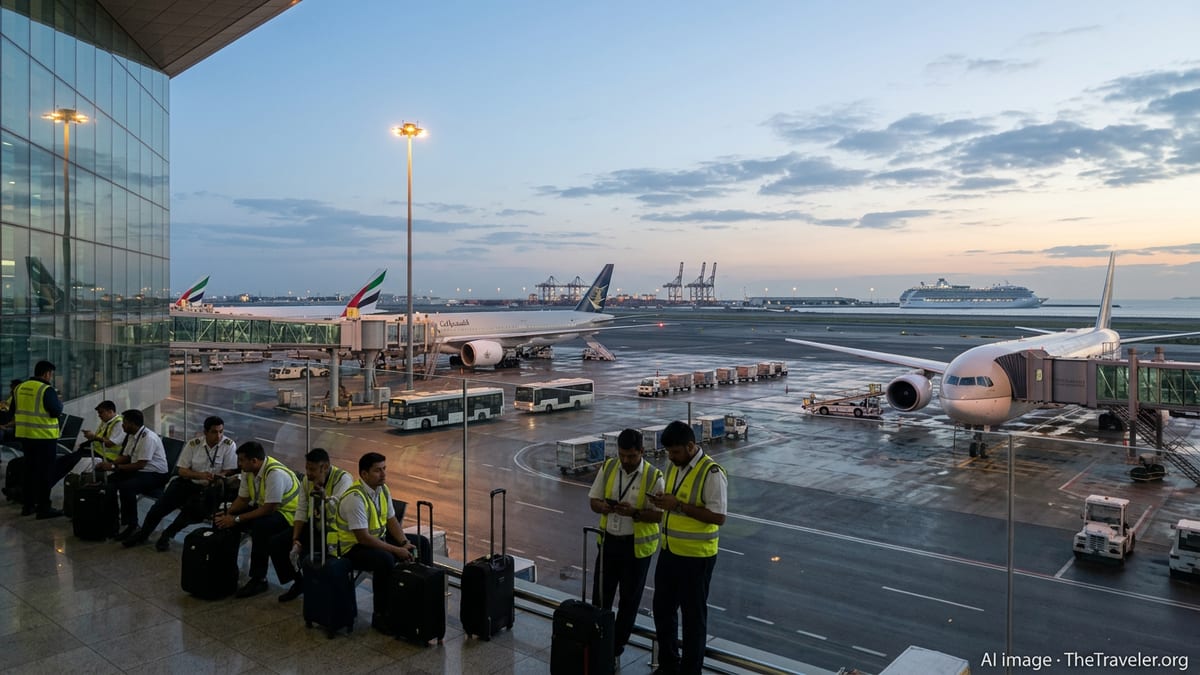
Vienna Becomes Epicenter of a Difficult Day for European Aviation
The latest operational data from flight tracking services indicate that Vienna International Airport recorded 118 cancellations and 2,478 delayed services within a 24 hour period, placing the Austrian hub among the most heavily impacted European airports on the day of disruption. The figures include both arrivals and departures, affecting a mix of full service and low cost carriers and touching routes across the continent.
The disruption in Vienna came as part of a wider pattern of operational strain in Europe’s aviation system, where high summer demand has coincided with tight staffing levels, congested airspace and sporadic weather related constraints. While no single cause has been identified for the spike in irregular operations, reports point to a combination of air traffic flow restrictions in central Europe, local weather cells and crew and aircraft rotation challenges converging over one busy travel day.
Vienna’s role as a transfer hub for central and eastern Europe amplified the effect of the cancellations and delays. Passengers connecting between western European cities and destinations in the Balkans, the eastern Mediterranean and the Caucasus experienced missed connections and extended rebooking times as airlines worked to reposition aircraft and crews.
Operational updates posted by airlines serving Vienna showed rolling delays accumulating throughout the day, with some services pushed back by several hours before ultimately being cancelled. Publicly available airport movement statistics already showed a tight summer schedule, meaning that the margin to absorb knock on effects was limited once the first wave of delays took hold.
Knock On Disruptions Spread Across Key European Routes
The problems centered on Vienna quickly rippled across Europe’s interconnected network. Flights arriving late into Vienna from hubs such as Frankfurt, Munich, Zurich, Paris and London in turn departed behind schedule, affecting evening and overnight rotations that touch multiple countries. Travelers reported extended waits at departure gates and crowded rebooking counters at several of these hubs after returning aircraft failed to arrive on time from Austria.
On some intra European routes, aircraft scheduled to operate several legs in a single day became progressively more delayed, resulting in late night cancellations as carriers reached crew duty time limits. This was particularly evident on high frequency business routes linking Vienna with neighboring capitals, where airlines opted to cancel the final round trips rather than further compress already disrupted timetables.
Regional airports that rely on Vienna as a primary connection point also felt the impact. Services to smaller cities in central and southeastern Europe experienced schedule changes and aircraft swaps as operators attempted to prioritize long haul and high demand flights. In some cases, passengers arriving late into Vienna were rebooked on next day departures, stretching hotel capacity close to the airport and prompting some travelers to arrange alternative transport by rail or road.
Publicly available traffic summaries for the broader European network have highlighted that even relatively short lived disruptions at one busy airport can quickly echo across multiple countries when aircraft are scheduled tightly and spare capacity is limited. The day’s pattern of cancellations and delays around Vienna matched this trend, with recovery operations continuing into the following morning as airlines sought to return aircraft and crews to their planned positions.
Underlying Pressures: Capacity, Weather and Airspace Constraints
Aviation analysts note that the spike in cancellations and delays around Vienna occurred against a backdrop of persistent pressures on Europe’s air traffic management system. Previous seasonal reports from regional aviation bodies have pointed to recurring bottlenecks in upper airspace, particularly in central Europe, where military activity, route restrictions and concentrated traffic flows can trigger delays even in generally good weather conditions.
Summer weather patterns also contributed to the operational challenges. Thunderstorms and rapidly changing conditions in parts of central and eastern Europe required temporary rerouting and increased separation between aircraft, reducing runway and airspace throughput at peak times. Even short local disruptions can push traffic into holding patterns and lead to missed slots, which then cascade through subsequent rotations.
At the same time, the recovery of passenger demand to or above pre pandemic levels has left many airlines and ground handling providers managing busy schedules with leaner workforces. Publicly available company updates and airport traffic reports across the region in recent seasons have referenced recruitment drives and training pipelines that are still catching up with demand. On days when multiple small issues arise simultaneously, this can reduce resilience and make it harder to prevent minor delays from turning into larger disruptions.
Industry observers emphasize that while Vienna drew attention because of the scale of its cancellations and delays on this particular day, similar stress points can appear at other hubs depending on weather systems, industrial actions or air traffic control constraints. The situation underscores the importance for travelers of monitoring flight status closely and allowing extra buffer time for connections, especially during peak travel periods.
Impact on Passengers and Guidance for Upcoming Travel
For passengers caught up in the disruptions, the immediate effects were missed connections, overnight stays, and itinerary changes that in some cases extended journeys by many hours. Social media posts and traveler accounts described long queues at service desks and difficulty securing alternative flights on already crowded routes, particularly for those without flexible tickets.
Travel organizations and consumer advocates continue to highlight that, for flights departing from or arriving in the European Union and the United Kingdom, established passenger rights regulations may apply in cases of significant delays, cancellations or rebookings. Publicly available guidance encourages travelers to retain documentation such as boarding passes, receipts for meals and accommodation and any written communication from airlines to support later claims or reimbursements where eligible.
Looking ahead to the coming weeks, aviation outlooks for Europe suggest that traffic levels will remain high, especially on leisure routes linking central Europe with Mediterranean destinations and major city pairs. With the region’s air traffic management system already operating near capacity on peak days, observers note that relatively modest disruptions at one hub can still translate into systemwide impacts similar to those seen around Vienna.
Travel advisers therefore recommend that passengers with critical connections build additional time into their itineraries, consider earlier departures where possible and sign up for airline and airport notifications to receive timely updates on gate changes and schedule alterations. While the majority of flights in Europe continue to operate broadly on time, the recent pattern of 118 cancellations and 2,478 delays centered on Vienna serves as a reminder that the system remains sensitive to pressure and that flexibility can be essential for minimizing the impact of unexpected disruptions.