


More news on this day
Rail journeys in and out of London were severely disrupted after a trackside fire near Waltham Cross forced the suspension of services on the busy Lea Valley route, affecting commuters, airport passengers and day trippers across the capital’s northeastern rail corridor.
Get the latest news straight to your inbox!
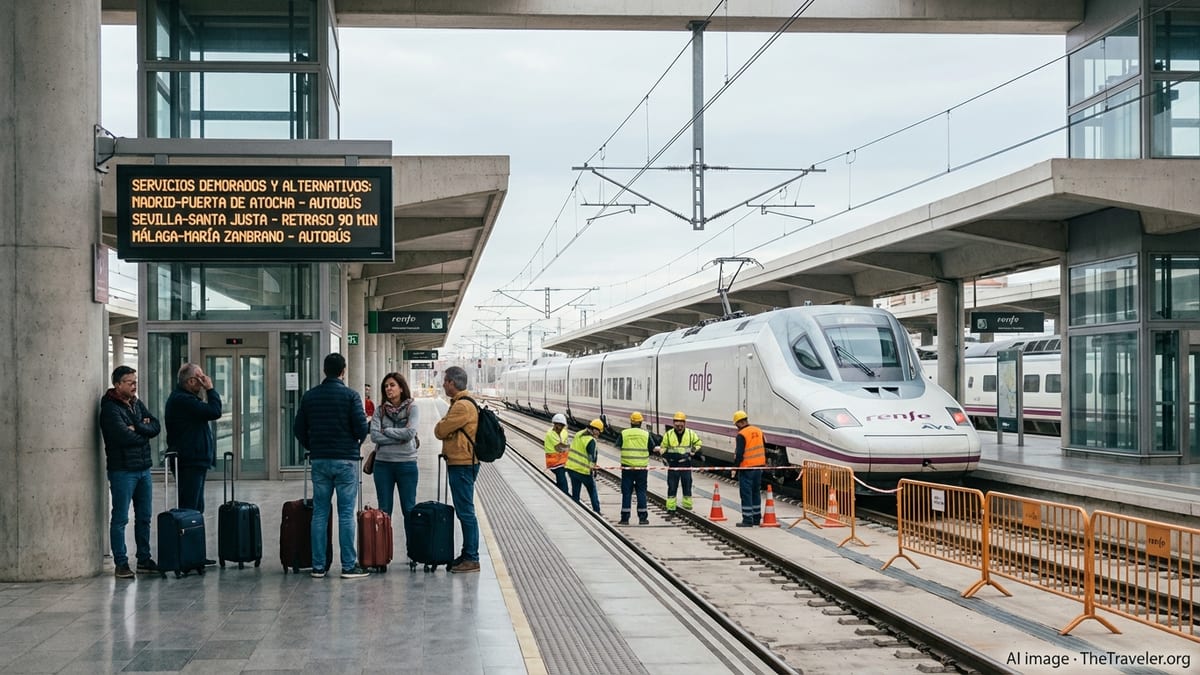
Trackside blaze brings key commuter route to a standstill
Published information from rail operators and traffic monitors indicates that a fire close to the railway near Waltham Cross led to an abrupt halt of services on lines linking London Liverpool Street with Hertfordshire and Essex. Services through Waltham Cross, which sits around 12 miles north of central London on the Lea Valley lines, were suspended while the incident was brought under control and safety checks were carried out on nearby infrastructure.
The affected corridor is an important gateway for travellers heading between London and towns such as Cheshunt, Broxbourne and Hertford, with onward links towards Stansted Airport and Cambridgeshire. The timing of the disruption, during a busy summer travel period, meant that both daily commuters and leisure travellers were caught up in unexpected delays and cancellations.
Initial reports suggest that trains were brought to an immediate stop in the area, with some services held short of Waltham Cross and others diverted away from the affected stretch. Rail control centres prioritised clearing any trains already in section before confirming the full suspension of movements through the area.
Major delays for London-bound passengers
According to journey planners and operator updates, services between London Liverpool Street and destinations north of the capital experienced widespread disruption, with many trains cancelled outright or turning back at earlier stations. Trains that did operate were subject to extended journey times as they were rerouted along alternative paths where capacity allowed.
Passengers travelling into central London from Hertfordshire and the Lea Valley suburbs faced particularly long delays. With no trains running through Waltham Cross, travellers from Waltham Abbey and nearby communities who usually rely on the station for a direct route to the city were forced to rethink their journeys at short notice, often combining local buses with Underground or Overground services.
Travel advice issued through rail apps and social channels urged passengers to check live departure boards before setting out and to allow significantly more time for their journeys. Some travellers were advised to use alternative routes into London, including services from parallel rail corridors or Underground connections where available.
Knock-on effects across the wider network
The suspension of services through Waltham Cross quickly created ripple effects across the London rail network. Trains stacked up on approaches to key junctions, limiting the ability of operators to run normal timetables elsewhere on the Lea Valley routes. This, in turn, affected trains serving stations such as Enfield Lock, Brimsdown and Ponders End, where services were thinned out or subject to last minute alterations.
Published congestion data suggests that nearby roads, including routes feeding towards the M25 and A10, saw heavier than usual traffic as passengers switched from rail to road. Local bus corridors connecting Waltham Cross with Enfield, Cheshunt and Tottenham also appeared busier, as travellers sought to reach functioning rail lines or Underground interchanges.
Rail industry channels highlighted the constrained nature of the corridor, where limited spare capacity makes it challenging to absorb a sudden closure without significant disruption. With freight, commuter and regional services all sharing the route, operators had to make rapid decisions about which trains to prioritise once limited movements could safely resume.
Safety inspections and restoration of services
Once the fire was contained, rail infrastructure teams carried out inspections of signalling equipment, cabling and trackside structures to ensure that no heat damage would compromise safe operations. Publicly available updates indicate that only after these checks were completed could a phased restoration of service begin, initially with reduced speeds and limited numbers of trains.
Travellers were informed that residual delays and short-notice cancellations would continue even after the first trains began moving again, as displaced rolling stock and train crews were returned to their scheduled positions. The process of rebuilding the timetable on such a heavily used commuter artery can take several hours, particularly when an incident occurs during peak travel periods.
Rail passengers heading for connections to long distance services or flights were advised to factor in extra contingency time. Some operators signalled that ticket acceptance was in place on alternative routes, allowing travellers to reroute via other London terminals or Underground lines to complete their journeys.
What travellers should know before heading to Waltham Cross
For upcoming journeys, travellers planning to use Waltham Cross and nearby Lea Valley stations are encouraged to consult live arrival and departure information on the day of travel. While full services are expected to resume once inspections are complete, incidents of this nature can leave temporary speed restrictions or minor timetable adjustments in place, particularly where infrastructure repairs are required.
The disruption underlines the importance for London visitors and regular commuters alike of having a flexible route plan, especially when travelling to or from the capital’s airports or connecting with long distance trains. Keeping an eye on rail operator feeds and journey planners in the hours before departure can significantly reduce the risk of missed connections and long waits on platforms.
For Waltham Cross itself, the interruption is a reminder of the town’s strategic role in linking London with the northern Home Counties. As passenger numbers continue to grow on the Lea Valley lines, any blockage on this section of track is felt not only by local communities but across a wide swathe of the capital’s rail network.