


More news on this day
WestJet passengers heading into one of Canada’s busiest summer travel weekends are confronting mounting uncertainty, as a cabin-crew labour dispute triggers early flight cancellations and raises the risk of wider disruption in the days ahead.
Get the latest news straight to your inbox!
Labour standoff escalates ahead of August long weekend
Publicly available information indicates that WestJet and the union representing its flight attendants remain locked in tense negotiations, with the earliest legal job action date identified as August 2, 2026. Reports describe weeks of talks that have yet to produce a new contract, heightening the prospect of a strike or employer lockout just as peak summer travel demand reaches its height.
Coverage from Canadian and international outlets suggests that the dispute centres on wages, scheduling, and compensation for time spent on duty but not in the air, echoing themes seen in previous airline labour conflicts across North America and Europe. The timing, at the start of a long weekend, appears designed to maximize bargaining leverage, increasing the likelihood of cascading operational impacts if no agreement is reached.
In recent years WestJet has expanded its network across Canada, the United States, Europe, and sun destinations, meaning any significant disruption to its mainline operations could reverberate across multiple regions. Travellers with domestic connections, transborder itineraries, and long-haul holidays may all feel the effects if the current impasse hardens into full-scale job action.
Some travel forums and consumer-rights communities are already documenting rising anxiety among passengers due to the uncertainty around the strike deadline and the potential for last-minute schedule changes. Many are weighing whether to hold their existing bookings or proactively rebook with other carriers before any large wave of cancellations reduces remaining seat availability.
Early cancellations and schedule changes begin to surface
As of August 1, 2026, reports on social platforms and traveller forums indicate that WestJet has started cancelling select flights ahead of the possible work stoppage. The earliest impacts appear to concentrate on international and longer-haul services, particularly routes where aircraft and crew could be stranded overseas if a strike or lockout begins while they are away from Canadian bases.
Individual travellers are describing last-minute notices that their flights have been cancelled or rebooked, including some transatlantic services between Canada and European destinations. Some accounts suggest that WestJet is arranging travel on other airlines in certain cases, while others describe long wait times on customer-service phone lines and difficulty obtaining clear re-accommodation options.
Operationally, airlines facing an imminent labour disruption often begin to wind down more complex flying several days before any strike deadline. Aviation analysts note that long-haul and multi-leg itineraries are typically adjusted first, because they require more aircraft time and crew resources, and can be harder to recover if disruptions escalate. Short-haul routes within Canada and to nearby U.S. destinations may be adjusted later, depending on how negotiations evolve.
While the scale of cancellations so far remains limited compared with WestJet’s full schedule, the pattern suggests a precautionary effort to protect aircraft positioning and minimize the number of travellers who might be left overseas without onward options. For passengers, this early thinning of the schedule can make it harder to find alternative seats close to their original departure dates, especially on busy summer weekends when flights are already heavily booked.
Flexible change policies offer some relief, but details matter
According to information shared through WestJet advisories and summarized by consumer advocates, the airline has introduced limited-time flexibility for travellers booked around the potential strike window. The policy generally allows one-time changes or cancellations without standard change fees for itineraries touching specified dates, particularly from late July through the first days of August.
However, passenger reports indicate that the fine print is critical. In some cases, customers who proactively cancelled non-flexible fares before any operational disruption received refunds in the form of travel credits rather than back to their original form of payment. Others describe being told that additional options might only become available within a set period, such as 72 hours before departure, or once a flight has been formally cancelled by the airline.
For travellers, the distinction between voluntary and involuntary changes is especially important. When passengers choose to cancel or modify flights on their own initiative, standard fare rules and advisory conditions typically apply, often limiting cash refunds. When an airline cancels a flight for operational reasons within its control, broader rebooking and refund obligations can be triggered, guided by the Air Passenger Protection Regulations in Canada and WestJet’s own tariffs.
As the situation evolves, consumer-rights advocates are urging passengers to document all communications with the airline, retain confirmation numbers and receipts, and carefully review the specific advisory language that applies to their booking dates and fare classes. Doing so may prove crucial if travellers later seek partial refunds, additional rebooking, or compensation after a disruption.
What travellers can expect if a strike or lockout proceeds
If no agreement is reached and flight attendants launch a strike, or if the airline proceeds with a lockout, operational impacts could escalate quickly across WestJet’s network. Past disruptions, including a mechanics’ strike at WestJet in 2024 and flight-attendant actions at other Canadian carriers, provide a rough template for what passengers might experience, although each labour dispute unfolds differently.
In a full work stoppage scenario, a significant portion of WestJet’s schedule could be cancelled outright, with remaining flights consolidated on busier trunk routes or operated by unaffected regional affiliates where possible. Travellers may encounter days of rolling cancellations, extended delays, last-minute gate changes, and congested airport check-in and call-centre queues.
Publicly available court documents and regulatory guidance show that when cancellations are directly linked to an airline’s own labour relations, they are often treated as within the carrier’s control for the purposes of passenger-assistance and rebooking obligations. This can include requirements to offer alternative routing at the earliest opportunity and to provide meals, accommodation, or reimbursement for reasonable expenses when travellers are stranded overnight, though the exact entitlements depend on the regulations that apply to each itinerary.
In practice, even when rules are clear on paper, high volumes of affected passengers can strain an airline’s ability to respond quickly. Travellers may need to make time-sensitive decisions about whether to wait for rebooking by WestJet, secure their own replacement flights, or adjust their plans entirely. Those with tight connections to cruises, tours, or onward long-haul flights face particular risk if an initial WestJet leg is cancelled at short notice.
Practical steps for passengers booked with WestJet
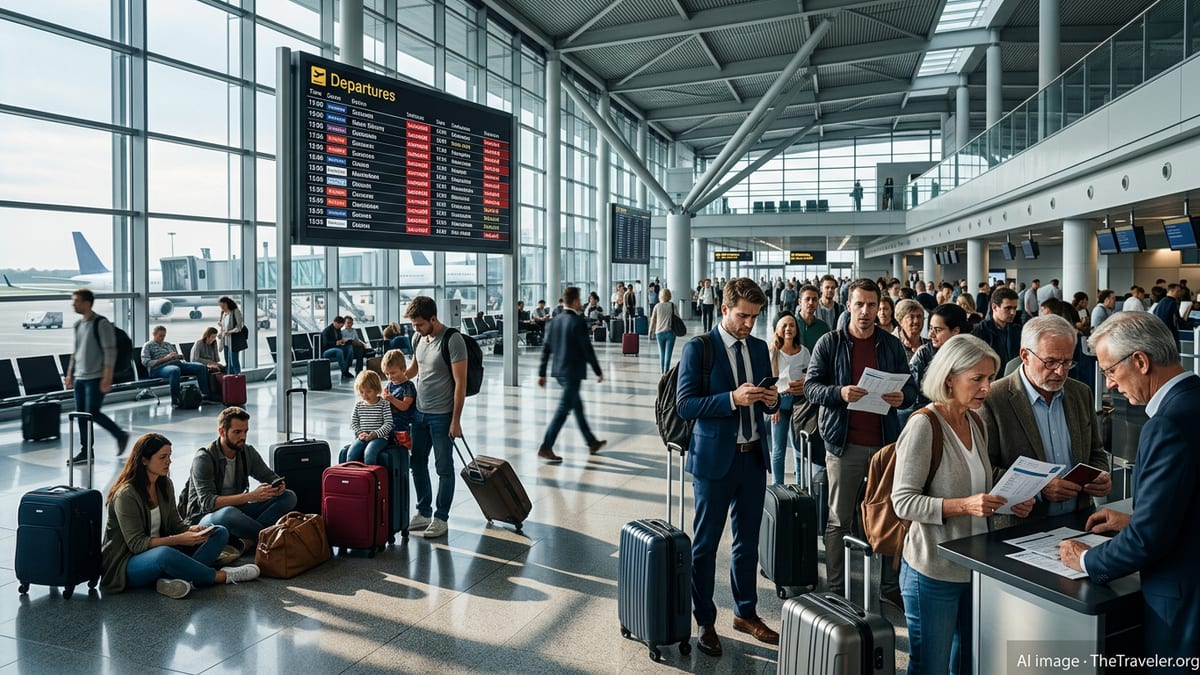
As uncertainty deepens, travel experts and consumer advocates are emphasizing preparation and flexibility. Many recommend that passengers travelling over the August long weekend monitor their booking frequently using the airline’s app or website, verify that WestJet has a current email and mobile number, and check airport departure boards on the day of travel for any last-minute changes.
Some travellers with especially time-sensitive itineraries are choosing to secure fully refundable backup tickets on other carriers, particularly for international or cross-country trips where alternatives may sell out quickly. Others are adjusting their plans within the window of WestJet’s advisory policy, opting to travel earlier or later than originally scheduled in order to avoid the most uncertain dates.
For those who decide to keep their existing WestJet booking, staying informed about their rights under Canadian aviation rules can help in the event of cancellations or long delays. Public resources summarizing the Air Passenger Protection Regulations, as well as WestJet’s own tariff documents, outline what assistance and potential compensation may be available when flights are disrupted for reasons within the airline’s control.
With negotiations reportedly continuing and political attention likely to grow if disruptions worsen, the situation remains fluid. Until there is clarity on whether a new deal will be reached or job action will proceed, passengers flying WestJet over the coming days face an uneasy balance between hoping their flights operate as scheduled and preparing for the possibility of sudden cancellations.