


Booking a ticket to Istanbul used to be simple. Today, most search results show two options: the huge new Istanbul Airport (IST) on the European side and the smaller Sabiha Gökçen (SAW) on the Asian side. Many travelers instinctively pick the big flagship hub, assuming it is always the best choice. In reality, a significant number of visitors would have a smoother, cheaper or less stressful trip by skipping Istanbul Airport entirely and flying into Sabiha Gökçen instead.
Get the latest updates straight to your inbox!
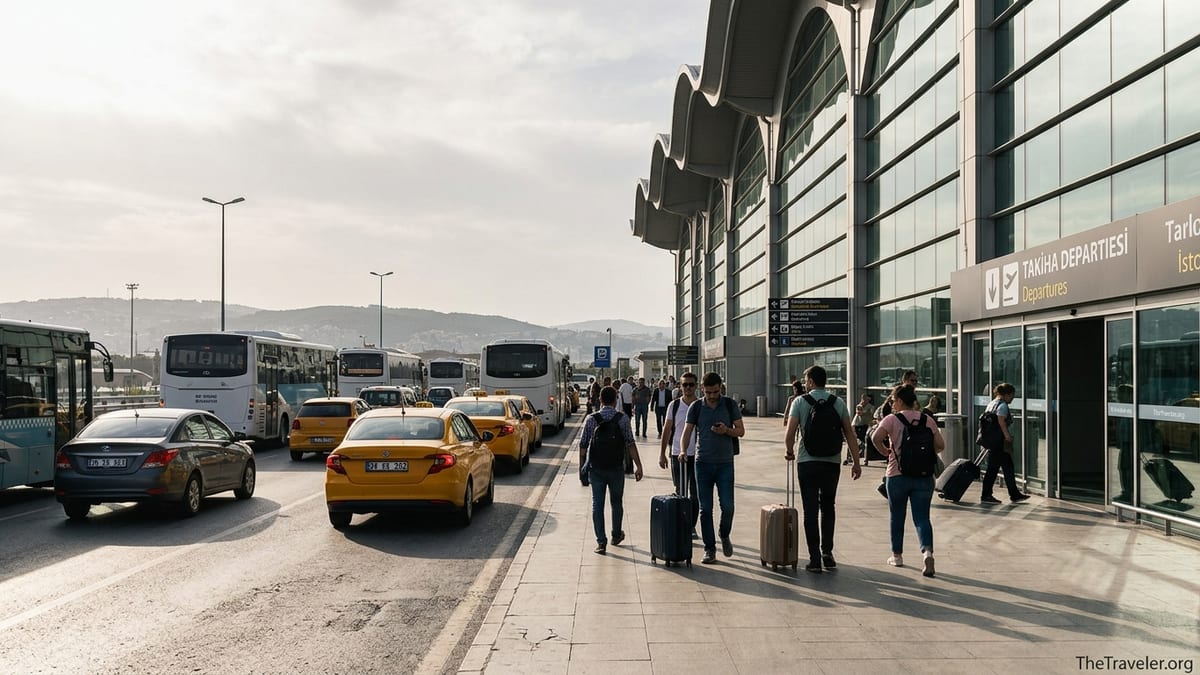
Understanding the Two Airports: Size, Location and Vibe
Istanbul Airport is the city’s main global hub, opened in 2019 to replace the old Atatürk Airport. It is huge, busy, and designed to funnel long-haul passengers from North America, Asia, the Gulf and Africa through Turkish Airlines’ vast network. The terminal can feel like a small city: long walking distances, high ceilings, upscale duty free and dozens of lounges. For many travelers, that scale is exciting. For others, it is overwhelming.
Sabiha Gökçen International Airport sits about 30 to 35 kilometers southeast of central Istanbul on the Asian side. It is smaller and more compact, historically focused on low cost and regional traffic. Pegasus Airlines and AJet use it as a major base, and many European budget carriers route their Istanbul flights there. The single terminal layout is easier to navigate, with shorter walks between check in, security, gates and baggage claim compared with the long concourses at IST.
In broad terms, Istanbul Airport serves more intercontinental and full service traffic, while Sabiha Gökçen leans toward point to point European, Middle Eastern and domestic routes at generally lower fares. That difference in airline mix and scale is the starting point for understanding who might be better off choosing SAW over IST.
Location also matters. Istanbul Airport lies around 40 to 45 kilometers northwest of Taksim by road and even further from the Old City in driving time when traffic is heavy. Sabiha Gökçen, although also outside the center, is much closer to Asian side hubs like Kadıköy and Üsküdar and can be surprisingly convenient for some European side stays once you factor in new metro and ferry links.
Travelers Staying on the Asian Side: Kadıköy, Moda and Beyond
If your hotel or apartment is on the Asian side, flying into Sabiha Gökçen often makes far more sense than Istanbul Airport. Think of popular neighborhoods such as Kadıköy, Moda, Fenerbahçe, Göztepe, Üsküdar or the business districts along the E-5 highway. From SAW you have direct access to the M4 Kadıköy – Sabiha Gökçen metro line, which runs to Kadıköy in roughly 50 minutes at a flat, low fare paid with an Istanbulkart. From Istanbul Airport, reaching the same neighborhoods would usually involve a long bus ride across the bridges or a combination of metro lines with at least one awkward transfer.
Consider a real example. A couple staying in a boutique hotel near Kadıköy’s fish market arrives at Sabiha Gökçen in the late afternoon. They tap their Istanbulkart at the turnstiles, board the M4 metro directly under the terminal and are in Kadıköy in under an hour, then walk ten minutes to their hotel. Total public transport cost is only a few dozen lira per person. If they had flown into Istanbul Airport instead, they would likely have needed a Havaist shuttle toward the center, then another bus or metro and possibly a ferry to cross to Kadıköy, easily doubling both travel time and cost.
Even if you opt for a taxi, Sabiha Gökçen can be more efficient for the Asian side. Typical daytime taxi fares from SAW to Kadıköy or Moda are commonly quoted in the range of several hundred lira, with journeys of 45 to 70 minutes depending on traffic. From Istanbul Airport to the same areas, drivers must cross the Bosphorus and navigate some of the city’s busiest arteries, which can push ride times well beyond an hour at peak periods and increase the meter significantly.
For travelers visiting friends or family in residential districts on the Asian side, or those booking serviced apartments in Kadıköy or Maltepe, Sabiha Gökçen should often be the default choice unless a specific airline or schedule at Istanbul Airport outweighs the convenience.
Budget Flyers and Short European Getaways
Price sensitive travelers and weekend city breakers from Europe or the Middle East should always check Sabiha Gökçen options before defaulting to Istanbul Airport. Low cost airlines like Pegasus and AJet use SAW as a key base, offering frequent connections from cities such as Berlin, Amsterdam, London, Paris, Vienna, Dubai and many others. In many cases, round trip fares into SAW undercut equivalent itineraries to IST, particularly if you book several weeks in advance or travel outside peak summer dates.
Imagine a traveler from Paris planning a three day weekend in Istanbul. A Pegasus flight into Sabiha Gökçen might price out at a noticeably lower fare compared with a full service carrier into Istanbul Airport. Even after adding a checked bag and seat selection, the total cost can remain attractive. Because Sabiha Gökçen is smaller, arriving passengers often move from aircraft door to landside more quickly when queues are moderate, which matters if you want to squeeze every hour out of a short break.
On departure, low cost airlines at SAW typically have simple, functional zones with many self service kiosks. Security and passport control can still have lines at busy times, but you are not dealing with the same magnitude of crowds that appear during peak banks of long haul departures at Istanbul Airport. For travelers who care more about saving money and getting in and out quickly than about flagship lounges or premium shopping, SAW’s straightforward, no frills environment often feels like a better fit.
Another group that benefits from choosing Sabiha Gökçen is travelers stringing together separate low cost tickets. Someone flying from a secondary European city into SAW on Pegasus and then onward domestically to Izmir, Antalya or Gaziantep can often keep both segments on the same low cost carrier or at least within the same terminal, avoiding complex terminal changes or tight minimum connection times common at megahubs.
Domestic Connections and Regional Hubs
Sabiha Gökçen is not just an alternative gateway to Istanbul; it also functions as a significant domestic and regional hub. With Pegasus and AJet operating many of their domestic networks from SAW, travelers heading onward to Turkish cities such as Bodrum, Dalaman, Trabzon, Diyarbakır or Van may find easier and cheaper connections via Sabiha Gökçen, especially when starting from other low cost markets in Europe.
Take a traveler from Manchester heading to the beaches around Bodrum. One option is to fly into Istanbul Airport on a legacy carrier, change terminals or concourses and then connect to a domestic flight on a full service airline. Another is to fly a budget route into Sabiha Gökçen, walk a short distance to a nearby domestic gate and continue on Pegasus or AJet to Bodrum on a through ticket. Check in is more streamlined, and the risk of missing a connection because of long distances inside the airport is reduced.
For domestic only travel, SAW is often the more logical hub. Turks commuting between Istanbul and cities like Ankara, Izmir or Adana frequently choose Sabiha Gökçen because of competitive pricing and the relative ease of accessing the terminal from residential districts on the Asian side. Visitors tapping into that same domestic network, especially for trips that focus more on Cappadocia, the Aegean coast or southeastern Turkey than on central Istanbul, can sidestep Istanbul Airport entirely without losing options.
Of course, if you are connecting from a long haul flight arriving at IST onto a domestic route, staying at Istanbul Airport may remain more efficient. But if your international leg is also on a low cost or regional carrier that can bring you directly to SAW, you remove a whole layer of transfers and uncertainty from the journey.
Travelers Who Prioritize Simplicity and Lower Stress
Megahubs like Istanbul Airport offer impressive facilities but can feel intense. Long security lines at peak times, extensive walking distances between check in, passport control and far gates, and the sheer number of passengers can be tiring, especially after a red eye. Some travelers simply prefer smaller, calmer environments where you can see from one end of the terminal to the other and quickly find what you need.
Sabiha Gökçen’s layout is compact and relatively straightforward. Arrivals feed into a single baggage claim hall; landside, you can locate the taxi ranks, metro entrance, shuttle bus counters and currency exchange desks within a short radius. Families with young children, older travelers, or anyone with limited mobility who is not eligible for airport assistance often appreciate this scale. Pushing a stroller or pulling a suitcase from the gate to the exit at SAW usually involves shorter walks and fewer level changes than at IST.
Another stress related factor is navigation in the city. From Istanbul Airport, first time visitors can find the combination of the airport’s size and the complexity of the onward journey disorienting. Depending on where they are staying, they may need to choose between the M11 metro, Havaist shuttles, local buses, taxis or private transfers, with different fares, payment methods and stops to understand. From Sabiha Gökçen, the choice set is still varied but often simpler: a single metro line straight to Kadıköy, a Havabus shuttle to Taksim, or a taxi. For nervous travelers, that clarity can make a real difference.
If you are arriving late at night or after a long multi segment journey, and you know that you will be tired and impatient, choosing the airport with more direct and legible onward routes to your accommodation can be a form of self care. For many itineraries, especially those centered on the Asian side, Sabiha Gökçen fits that description better than Istanbul Airport.
When Istanbul Airport Still Makes More Sense
There are, of course, plenty of travelers who should not skip Istanbul Airport. If you are flying long haul on Turkish Airlines or another major carrier, your only Istanbul option may be IST. The airport is purpose built for intercontinental connections, with a wide choice of departure banks, multiple lounges and more frequent domestic links to secondary Turkish cities than you might find from Sabiha Gökçen.
Travelers staying close to Istanbul’s northern suburbs and new business districts on the European side may also find IST more convenient. Neighborhoods along the M11 metro corridor, for example, can reach the airport quickly without fighting through central traffic. If you are attending a conference in a hotel near the airport or in nearby office parks, choosing Sabiha Gökçen would only add hours of unnecessary travel across the city.
Another decisive factor is schedule. On certain routes, Istanbul Airport simply offers more daily frequencies, earlier morning departures or late night returns. If you must attend a morning meeting in another city, or catch a specific same day connection, the flexibility of IST’s timetable may outweigh the relative simplicity of SAW. Premium passengers who value lounge quality, business class check in zones or airline specific services might also favor Istanbul Airport for its more extensive premium infrastructure.
In other words, the choice is not about declaring one airport universally better. It is about matching the airport’s strengths to your specific trip: where you are staying, how you plan to travel on the ground, what you are willing to pay, and how sensitive you are to crowds and complexity.
The Takeaway
So who should seriously consider skipping Istanbul Airport and flying into Sabiha Gökçen instead? Travelers staying on the Asian side, especially around Kadıköy, Moda, Üsküdar or the residential belts along the M4 metro, often save time, money and hassle by choosing SAW. Budget conscious visitors using low cost airlines from Europe or the Middle East, as well as those building domestic itineraries through Pegasus or AJet, usually find more attractive fares and easier connections at Sabiha Gökçen.
Families, older travelers and anyone who dislikes huge, crowded hubs may also prefer SAW’s compact terminal and simpler onward transport options. If your trip is focused more on exploring Asian side neighborhoods, hopping ferries across the Bosphorus and then perhaps flying onward domestically, Sabiha Gökçen quietly becomes the smarter gateway.
By contrast, Istanbul Airport remains the clear choice for most long haul Turkish Airlines passengers, premium travelers who care about extensive lounge and shopping options, and visitors staying deep on the European side or in business districts that tie directly into the IST metro corridor. In those cases, the airport’s size and connectivity become strengths rather than drawbacks.
Before you click “book” on your next Istanbul trip, take two minutes to map your accommodation, consider which side of the city you will spend most of your time in, and check both IST and SAW options for your route. For a surprising share of itineraries, skipping Istanbul Airport in favor of Sabiha Gökçen will mean a cheaper ticket, a shorter transfer and a more relaxed start to your time in one of the world’s great cities.
FAQ
Q1. Is Sabiha Gökçen or Istanbul Airport closer to central Istanbul?
In straight line distance, Istanbul Airport is closer to many European side districts, while Sabiha Gökçen is closer to Asian side neighborhoods like Kadıköy and Üsküdar. Actual travel time depends heavily on traffic and which public transport lines you use.
Q2. Which airport is better for budget airlines and cheaper tickets?
Sabiha Gökçen is generally better for low cost options, serving carriers like Pegasus and AJet plus several European budget airlines, which often results in lower base fares than equivalent routes into Istanbul Airport.
Q3. If I am staying in Sultanahmet, should I choose Sabiha Gökçen?
Not necessarily. From Sultanahmet, both airports require a combination of transport modes. Istanbul Airport may offer a more direct combination of metro and shuttle options, while getting from Sabiha Gökçen usually involves the M4 metro plus Marmaray or a shuttle then tram. In this case, compare total journey time and flight prices.
Q4. How easy is public transport from Sabiha Gökçen into the city?
Public transport from SAW is reasonably straightforward. The M4 metro runs directly from the terminal to Kadıköy, and Havabus shuttles connect to Taksim. From those hubs you can change to ferries, trams or other metro lines depending on your final destination.
Q5. Is Istanbul Airport really that big and crowded?
Istanbul Airport is one of Europe’s larger hubs, with extensive walking distances and busy peak periods, especially around long haul departure banks. Many travelers manage fine, but those who dislike large, crowded terminals may feel more comfortable with Sabiha Gökçen’s smaller scale.
Q6. Which airport is better for domestic connections inside Türkiye?
Both airports offer strong domestic networks, but Sabiha Gökçen is a major base for low cost carriers operating many domestic routes. If you are stringing together budget flights inside Türkiye, SAW can be particularly convenient.
Q7. Are taxis from Sabiha Gökçen to the city very expensive?
Taxi fares from SAW to central districts like Kadıköy or Taksim are not cheap, but they are broadly similar to or slightly lower than journeys from Istanbul Airport when covering comparable distances. Costs vary with traffic, time of day and exact destination.
Q8. I am traveling with kids and lots of luggage. Which airport is less stressful?
For many families, Sabiha Gökçen feels less stressful because of its smaller size and simpler layout. However, if your hotel is much closer to Istanbul Airport or you have a direct hotel transfer from IST, that convenience may outweigh SAW’s compactness.
Q9. Can I easily transfer between Istanbul Airport and Sabiha Gökçen?
Transfers between the two airports are possible by dedicated shuttle buses, combinations of metro lines or taxis, but the journey can take around two hours or more. If you have a short connection, it is advisable to keep both flights at the same airport.
Q10. How should I decide quickly which airport to choose?
First, locate your accommodation on a map and note whether it is on the European or Asian side. Second, compare flight prices and schedules to both IST and SAW. Finally, consider your tolerance for big hubs and long transfers. If you are staying on the Asian side, on a budget and prefer smaller airports, Sabiha Gökçen is often the better choice.