


More news on this day
Travelers booked on Carnival Panorama sailings from Long Beach are being urged to reconsider driving to the port, as new parking limits, traffic congestion, and evolving terminal logistics create fresh complications for cruisers who arrive by car.
Get the latest news straight to your inbox!
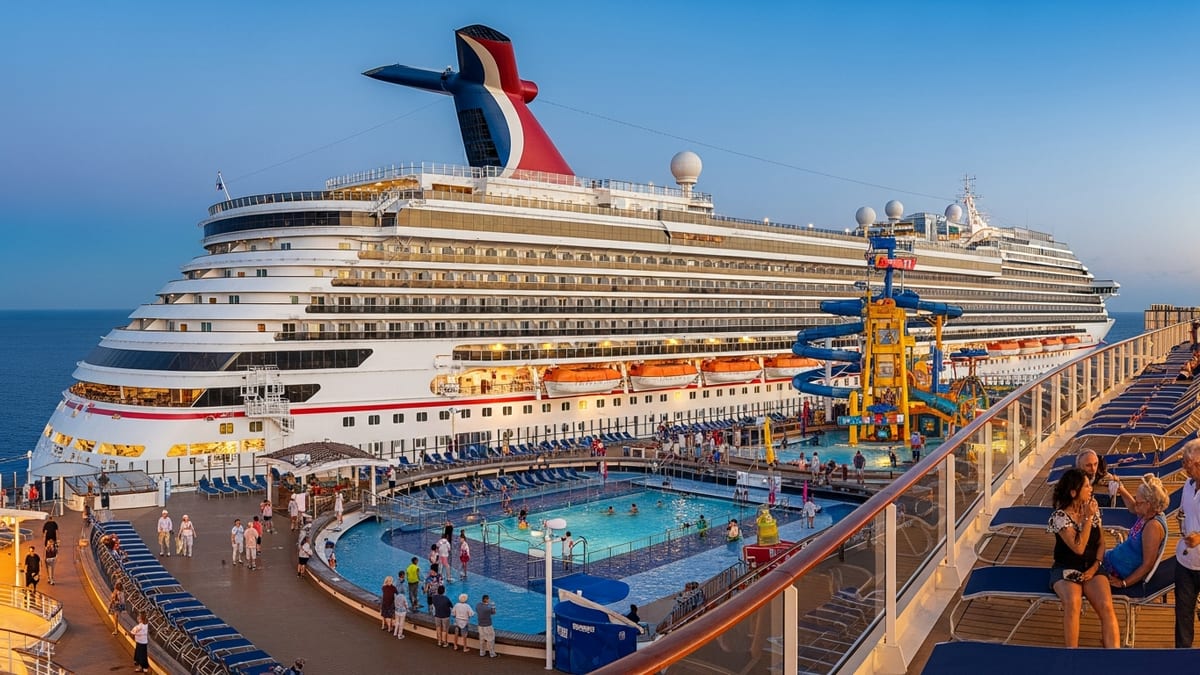
Parking Pressure at Long Beach Cruise Terminal
Carnival Panorama homeports in Long Beach, a busy Southern California gateway that handles thousands of passengers on popular voyages to the Mexican Riviera. As sailings remain in high demand, pressure on the adjacent parking structures and surface lots has intensified, with space frequently filling on peak departure days.
Recent pre-cruise communications and shared traveler experiences indicate that guests are being cautioned that terminal parking may be at or near capacity when they arrive. In some cases, drivers report being turned away from the main garage and directed to offsite facilities, sometimes at short notice, adding uncertainty for those who planned to park steps from the ship.
The result is a growing perception among upcoming Panorama passengers that driving to the terminal is no longer the straightforward option it once was. With limited on-site capacity relative to the number of vehicles arriving, some travelers now face longer walks, shuttle transfers, or unexpected changes in cost and convenience.
This evolving environment has led cruise-focused online communities to advise would-be drivers to review parking advisories carefully and to build in extra time for possible detours or alternative arrangements on embarkation day.
Offsite Lots, Shuttles and Added Complexity
Reports from recent Carnival Panorama departures describe a system in which vehicles may be redirected from the terminal garage to satellite parking areas, particularly when multiple vessels or large passenger volumes converge on the Long Beach waterfront. In those situations, guests often rely on shuttle buses to reach the ship, introducing an additional step that can prolong check-in.
While offsite parking can help absorb demand, it also adds variables to a day that many travelers prefer to keep simple. Shuttle frequency, traffic delays, and wait times at loading zones can all influence how quickly passengers make it from their car to the security checkpoint and, ultimately, on board.
Some travelers also note uncertainty about where their vehicle will ultimately be stored and how long it may take to retrieve it after the cruise. For passengers with tight post-cruise schedules, such as early afternoon flights or long drives home, these unknowns have become a key factor in deciding whether to bring a car at all.
The combination of offsite lots, variable shuttle operations, and heavy weekend traffic means that driving can now involve a chain of interdependent steps, rather than the direct park-and-walk experience many Panorama guests once expected.
Embarkation Timing and Traffic Congestion
The drive to Long Beach often involves navigating some of the region’s most congested freeways, particularly for passengers coming from inland California, Arizona, or Nevada. Embarkation days align with peak travel periods, compounding delays on routes leading to the port.
Panorama guests are typically assigned arrival time windows as part of a staggered embarkation process. Publicly available information and shared experiences indicate that guests who show up well before or after their scheduled time risk being asked to wait or, in some situations, being turned back temporarily until their group is accepted at the terminal.
For those who drive, freeway congestion can make it difficult to hit the assigned window precisely. Unexpected slowdowns can push arrival into overcrowded time blocks, increasing the chance of bottlenecks at the parking facilities or curbside drop-off points. Conversely, travelers who arrive far too early may encounter staffed checkpoints designed to prevent premature entry and further crowding.
These timing sensitivities are encouraging some Panorama guests to shift toward transportation options that decouple them from the stress of driving, such as shared shuttles, chartered coaches, or staying in nearby hotels with pre-arranged transfers to the pier.
Growing Appeal of Alternative Transport
As word spreads about parking constraints and embarkation delays, more Carnival Panorama passengers are weighing alternatives to driving directly to the terminal. Online discussions increasingly highlight rideshare services, private car services, and regional shuttle operators as ways to avoid the uncertainty of finding a parking space.
For travelers who live within a few hours of Long Beach, door-to-door rideshare trips can simplify embarkation by eliminating parking from the equation entirely. Others are opting for "park and cruise" hotel packages that allow them to leave their car at a hotel and use a scheduled shuttle to reach the port, spreading out vehicle arrivals and reducing congestion around the terminal.
Some experienced cruisers recommend arriving in the Los Angeles or Long Beach area at least one day before sailing, especially for those flying in. By separating travel day from embarkation day, passengers can recover from any delays en route, make use of hotel shuttles, and reach the ship with less time pressure and fewer variables.
These strategies do not eliminate all risks of delay, but they redistribute them in ways that many travelers find more manageable than dealing with packed garages and same-day freeway traffic.
What Prospective Panorama Guests Should Watch
Travel industry coverage and traveler reports suggest that the situation at Long Beach is fluid, shaped by ship schedules, local events, and longer-term port planning. Carnival Panorama remains a popular choice for weeklong cruises to Mexico, which means demand for convenient access is unlikely to ease in the near term.
Prospective guests are watching for updated pre-cruise communications that outline current parking expectations, offsite arrangements, and any temporary adjustments to embarkation procedures. Publicly available guidance from cruise lines and port operators often emphasizes respecting assigned arrival windows, allowing extra travel time, and considering non-driving options when feasible.
While driving remains possible for many Panorama guests, the accumulated experiences from recent sailings suggest that it is no longer the default, low-stress option for every traveler. Those planning upcoming voyages are increasingly factoring in the potential for parking redirections, shuttle transfers, and variable traffic conditions when deciding how to reach the ship.
For now, the message emerging from publicly shared accounts is clear: Carnival Panorama cruisers who rethink driving, or who at least build generous time cushions and backup plans into their embarkation day, are more likely to start their vacation with less stress at the pier.