


More news on this day
As Las Vegas logs record-shattering summer temperatures, some travelers are discovering that the heat is not just uncomfortable on the Strip; it can also change which flight or even which aircraft they board.
Get the latest news straight to your inbox!
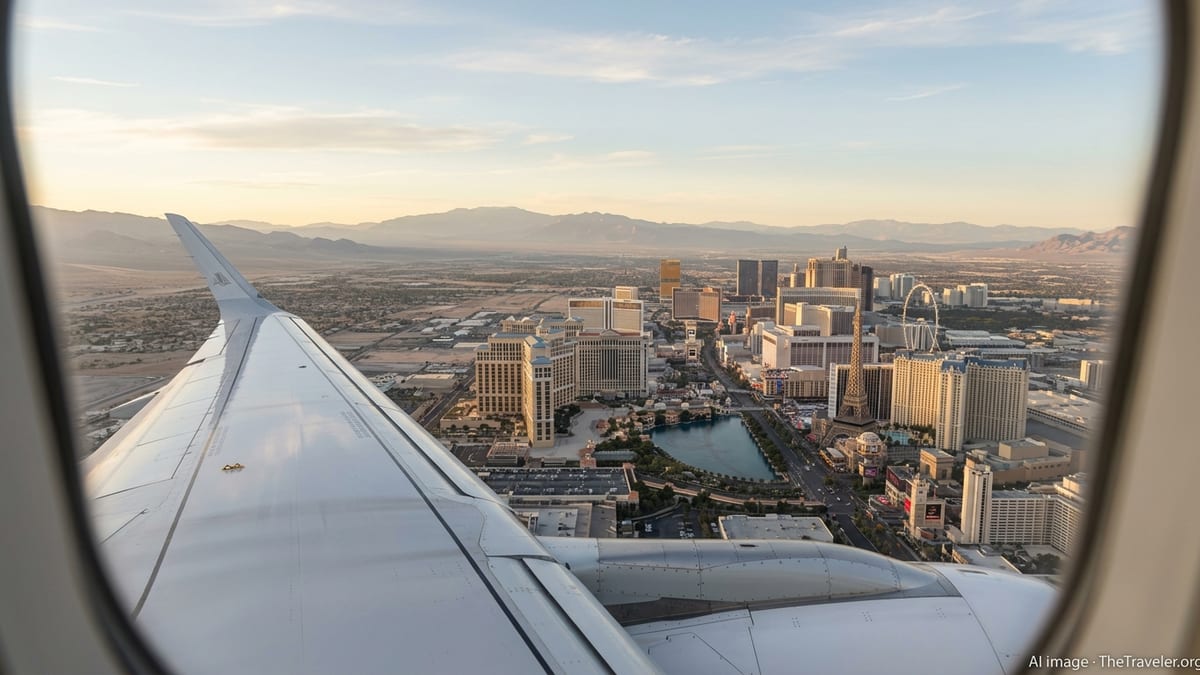
Record Heat Is Reshaping Summer Operations in Las Vegas
Las Vegas has long been known for scorching summers, but recent seasons have pushed the city into new territory. Publicly available climate data show that July 2024 was the hottest month on record in Las Vegas, with several days at or above 115 degrees Fahrenheit and an all-time high of around 120 degrees. The National Weather Service has also documented unprecedented streaks of days with highs of 105 degrees or higher, turning intense heat from an occasional challenge into a near-daily factor in summer operations.
At Harry Reid International Airport, those temperatures are more than a weather headline. When the mercury climbs into the triple digits, the air becomes thinner and less dense. That has a direct effect on aircraft performance, particularly during takeoff, which is already complicated by the airport’s elevation of roughly 2,000 feet above sea level and its desert setting.
As extreme heat episodes become more frequent in the desert Southwest, published coverage indicates that Las Vegas is emerging as one of the most affected aviation hubs. Airlines, pilots, and dispatch teams now routinely factor in the likelihood of high temperatures when planning flights that depart during the hottest parts of the day.
How Extreme Heat Limits Aircraft Weight and Route Options
The science behind those operational decisions is straightforward: hot, thin air provides less lift. To take off safely from a hot airport at a given runway length, an aircraft may need to reduce its weight. That weight includes passengers, baggage, cargo, and fuel. On cooler days, the same aircraft might depart with full fuel tanks and every seat occupied; on the hottest days, that configuration may no longer be possible within certified performance limits.
For shorter flights out of Las Vegas, airlines can often respond by loading a bit less fuel and topping up at the next airport, while still carrying all passengers and bags. The challenge grows on long-haul routes, such as flights to Hawaii or the East Coast, where more fuel is required. Publicly available accounts from travelers in recent summers describe aircraft that could not safely depart Las Vegas with enough fuel to complete long overwater or cross-country legs once temperatures climbed above forecast levels.
In those cases, airlines sometimes choose to schedule or add an intermediate fuel stop at a cooler, lower-elevation airport. Reports from passengers indicate that some flights from Las Vegas to Hawaii have made unscheduled refueling stops in California during peak heat, allowing the aircraft to depart Las Vegas lighter and then take on additional fuel later. While such stops add time and complexity, they can be preferable to leaving travelers behind.
Another option is to change the aircraft type assigned to a route. A flight that was initially planned on a smaller, weight-limited jet might be swapped to a larger or more capable model that performs better in high temperatures. This kind of last-minute equipment change is one of the reasons a traveler in Las Vegas might be asked to switch flights or find that their original aircraft has been reassigned.
Why Passengers Are Being Rebooked or Asked to Volunteer
When high temperatures combine with full passenger loads and heavy baggage, an airline may still need to reduce overall weight even after adjusting fuel and routing. In practical terms, that can mean a “weight restricted” flight, where the number of passengers or the amount of cargo must be cut to stay within performance limits. Travelers have reported situations in Las Vegas where gate agents asked for volunteers to take later flights once it became clear that the aircraft could not depart with everyone on board.
On especially hot afternoons, airlines may start by limiting checked bags, shifting cargo, or moving some luggage onto later flights. If that is not enough to satisfy the weight limit, the next step is often to ask for volunteers to be rebooked. These passengers are typically offered compensation such as travel credits or meal vouchers, although the amounts can vary widely from one situation to another.
In some instances, rebookings are not voluntary. If too few people step forward and the aircraft must still reduce weight, the airline may follow its boarding priority rules to decide which travelers are moved to a later departure. That is another scenario where a traveler in Las Vegas, especially on a peak summer afternoon, might unexpectedly be told they are no longer confirmed on their original flight.
Because these decisions are often driven by last-minute temperature readings, surface winds, and updated performance calculations, passengers might not receive much advance notice. A flight that looked on time all morning can suddenly become weight-restricted as the day’s heat peaks and operational data are updated.
Timing, Runways, and Operational Workarounds
Airlines and airports have several tools to reduce the odds of disruptive weight restrictions, but many of them depend on timing. One of the simplest strategies is to schedule the most demanding flights during cooler hours. Very early morning or late-night departures out of Las Vegas are less likely to face severe heat-related limits, because temperatures typically peak in the mid to late afternoon.
Runway selection can also make a difference. Longer runways give aircraft more room to accelerate to takeoff speed in hot, thin air. Harry Reid International has multiple runways, and dispatchers and pilots will often seek the longest available runway for heavy, heat-affected departures. However, busy traffic patterns, wind direction, and other operational constraints mean the ideal runway is not always available at the exact time of departure.
Some airlines build extra margin into their schedules during peak summer, anticipating that certain days will require fuel stops or tighter payload limits. Publicly available discussions among airline employees suggest that carriers now review historical temperature patterns and recent heat trends when deciding which routes to operate from Las Vegas in midsummer and which aircraft types to assign.
Despite these efforts, the combination of record-breaking heat, high demand for leisure travel, and limited nighttime slots means that some flights will still be exposed to worst-case conditions. When that happens, passengers may encounter offers to switch flights at check-in, gate announcements about fuel stops, or last-minute aircraft swaps.
What Travelers Can Do When the Heat Threatens Their Flight
For travelers heading to or from Las Vegas during the hottest months, a few planning choices can reduce the risk of disruption. Choosing earlier morning departures, especially for long-haul routes, can lower the chances of severe heat impacting aircraft performance. While no option is completely risk-free, publicly available information on temperature patterns shows that Las Vegas mornings are typically much cooler than midafternoon peaks.
Passengers who must travel in the late afternoon should be prepared for the possibility of weight restrictions or schedule changes. That may mean allowing extra connection time at intermediate airports, being flexible about seat assignments and aircraft types, and packing essential items in carry-on bags in case checked luggage is delayed onto a later flight.
When airlines request volunteers to switch flights because of weight limits, travelers who are flexible on timing may benefit from compensation while also helping the operation continue safely. Those who have tight connections, event start times, or nonrefundable arrangements at their destination may prefer to decline and remain on the original manifest if possible.
As climate trends point toward more frequent and intense heat waves in the desert Southwest, experts expect that heat-related constraints on aviation will remain a recurring feature of summer travel in Las Vegas. For now, the combination of record temperatures, high airport elevation, and heavy demand means that on the city’s hottest days, even a routine flight can turn into a lesson in how weather shapes modern air travel.