


In Finnish Lapland, most travelers make a beeline for familiar names like Rovaniemi or Levi. Slip a little farther north, though, and you arrive in Saariselkä, a compact resort village ringed by fell highlands and one of Europe’s largest wilderness areas. With easy access from Ivalo Airport yet a fraction of the crowds, Saariselkä quietly delivers some of Finland’s most authentic Arctic adventures, from husky sledding and glass-roof cabins to deep-snow national park trails that start almost at your doorstep.
Get the latest updates straight to your inbox!
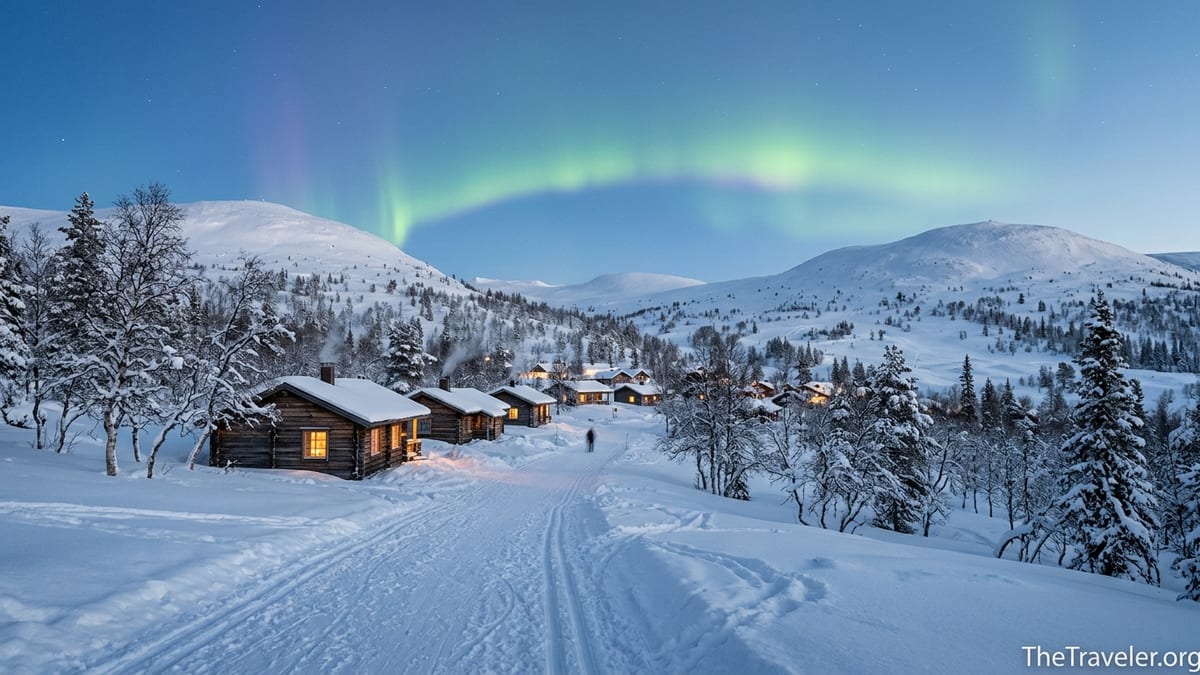
An Arctic Village Hiding in Plain Sight
Saariselkä sits in the Inari municipality, about 250 kilometers north of the Arctic Circle, but it feels more like a small mountain village than a built-up resort. The main street is little more than a curve of hotels, a couple of supermarkets, gear shops and tour offices, backed by dark spruce forest and two rounded fells, Kaunispää and Iisakkipää. Walk ten minutes in almost any direction and you leave streetlights behind and step into quiet snowfields or birch woods. This proximity to nature is the village’s trump card. You can check into a hotel like Holiday Club Saariselkä in the afternoon and be on a marked winter trail or ski track before sunset with almost no transit time.
Despite the remote location, getting to Saariselkä is surprisingly straightforward. Finnair and other carriers run regular winter flights from Helsinki into Ivalo Airport, roughly 25 kilometers away, and from there shuttle buses meet most arrivals and reach Saariselkä in about 30 minutes. For many travelers this is the sweet spot: far enough north that you see proper Arctic landscapes and long polar nights, but still accessible enough that a four or five night stay works inside a one-week Finland itinerary. Once in the village you can mostly walk everywhere, which keeps logistics simple even in deep winter.
What you will not find, and what keeps Saariselkä a “best kept secret” compared with Levi or Rovaniemi, is a dense strip of bars, chain restaurants and neon-lit shopping. There are cozy spots like the forest-themed Mettabari or fireplaces in lodge-style hotel lobbies, but nightlife is low key. People come here to ski, snowshoe, ride husky sleds and watch the aurora, then crawl into bed early so they can be outside again the next morning. If you prefer snow crunching under your boots to music thumping through the walls, this is exactly the appeal.
Gateway to Urho Kekkonen National Park
On Saariselkä’s eastern edge, the last cottages thin out and you hit the boundary of Urho Kekkonen National Park, Finland’s second-largest national park and a vast sweep of fells, pine forest and river valleys. In winter, this becomes an Arctic playground of groomed cross-country tracks, snowshoe routes and guided snowmobile trails. Local safari companies regularly describe a full-day snowmobile tour into the national park as one of their signature experiences, taking guests up onto open felltops where the treeline fades and the landscape feels almost lunar under soft blue polar light.
For skiers, the area has an extensive network of cross-country tracks prepared throughout the winter. It is common for visiting couples or families to rent classic skis or lightweight backcountry skis from shops in the village and spend a half day gliding between simple wilderness huts for coffee breaks. Prices for guided cross-country excursions often start around 150 to 180 euros per person for several hours, which usually includes equipment hire and hot drinks. Those who prefer to explore independently can buy a trail map and rent skis for a day at a much lower rate, then choose loops that start almost from the village center.
Non-skiers are not left out. Snowshoe hikes, sometimes combined with a campfire lunch, are a popular way to experience the national park at a slower pace. Outfitters in Saariselkä offer three to four hour trips where a guide leads you through quiet taiga forest to view points on the fells, pointing out animal tracks and explaining how reindeer herders and Sámi families have used the land. Because trails start so close to town, even short excursions feel genuinely remote after only fifteen or twenty minutes of gentle climbing.
Husky Trails, Reindeer Rides and Snowmobile Safaris
Dog sledding and reindeer experiences are staples of any Lapland trip, but in Saariselkä they tend to feel more intimate than in larger hubs. Several kennels and safari operators run small-group husky tours, with common options ranging from a quick three-kilometer taster to half-day tours of around two hours on the sled. Current rates for a three hour husky experience in the wider Inari–Saariselkä region often start near 190 to 200 euros per adult, including warm clothing, boots and transfers. Many travelers describe the silence of gliding behind a team of eager dogs through birch forest as a highlight of their stay.
Reindeer farms near Saariselkä host visitors for short sleigh rides and cultural visits, sometimes combined with storytelling from local Sámi reindeer herders about seasonal migrations, traditional clothing and life in the Arctic. Tours commonly bundle a 1-hour reindeer sleigh ride with a simple lunch or hot drinks by the fire. In winter 2025 and 2026, brochure prices for such excursions in the region typically sit in the 150 to 180 euro range per adult, depending on duration and inclusions. Because departures are staggered through the day, you rarely face long queues; instead you wait your turn inside a warm kota hut or farmhouse.
For travelers who want a faster pace, Saariselkä’s snowmobile program is extensive. One popular all-in-one day trip actually links several classics: you ride snowmobiles from the village to a reindeer farm for a sleigh ride, continue to a husky kennel for a longer sled tour, and return to Saariselkä by snowmobile in the late afternoon. Another signature outing is a three-hour evening snowmobile safari that focuses on aurora hunting, often priced around 160 to 200 euros per adult on a shared snowmobile. Tour companies provide full winter suits, helmets and boots, which is a relief for visitors who do not own specialist Arctic gear. You only need to bring a good base layer, gloves and enthusiasm for cold air on your cheeks.
A Northern Lights Hotspot Without the Crowds
Because Saariselkä lies so far north and has minimal light pollution beyond the small village, the chances of seeing the aurora borealis on a clear winter night are good over the course of a multi-day stay. Locals often say that if you visit between late November and March, stay at least three or four nights and are willing to step outside when the sky is clear, your odds of spotting green or multi-colored arcs are reasonably high. Many visitors end up seeing the lights simply from outside their cabin or a short evening walk up towards the fells, without ever joining a formal tour.
That said, guided aurora expeditions are a major part of Saariselkä’s appeal. Operators offer everything from minibus chases to nearby dark-sky locations, to snowshoe or toboggan outings where you climb a fell, make a campfire and sip hot berry juice while scanning the sky. Some aurora tours are combined with reindeer or snowmobile activities, turning the Northern Lights into the atmospheric finale of a broader adventure. Prices vary widely, but many three to four hour aurora excursions start around 120 to 160 euros per person, with premium small-group or photography-focused tours priced higher.
Accommodation also plays into the Northern Lights story. Saariselkä has become known for its glass-roof cabins and aurora-focused resorts, where you can watch the sky from the warmth of your bed. At Northern Lights Village Saariselkä, for example, rates for aurora cabin packages with full board and activities can start just above one hundred euros per person per night for basic stays in shoulder periods, rising to significantly more in peak holiday weeks. Other properties, such as Kakslauttanen Arctic Resort and smaller igloo clusters in the surrounding forests, follow a similar model: you sleep under a clear or heated glass dome, with snow piled high around the structure and the glow of your own private sauna or fireplace inside.
Skiing on Europe’s Northernmost Slopes
Saariselkä’s downhill ski area may not be as famous internationally as Levi or Ylläs, but it holds a quiet distinction as one of Europe’s northernmost ski resorts. The lifts and groomed runs span the twin fells of Kaunispää and Iisakkipää, just a short shuttle or taxi ride from the village, with about 18 kilometers of slopes and a handful of lifts. The vertical drop is modest by Alpine standards, but the views over rolling fells and the Inari wilderness make up for it, especially on crisp January and February days when low sun paints the snow in pink and gold.
The ski hill appeals best to beginners and intermediates, families and those who want to mix a few hours of downhill with other Arctic activities in the same day. You can ski gentle blue runs in the morning, have lunch in the slope-side café and still make it back to the village in time for a husky safari or sauna session. Lift passes for the 2025–2026 winter season are typically priced significantly lower than major Alps resorts, and you can often find half-day or evening tickets for travelers who prefer not to commit to full-day skiing. Rental shops near the base station and in the village provide alpine skis, snowboards and helmets, so bringing your own equipment is optional.
For many repeat visitors, though, the real magic lies in combining downhill and cross-country experiences. After a few runs on the prepared slopes, you switch to skinny skis and slide straight from the village into a well-marked network of tracks that crisscross forests and frozen mires. This mix of gentle resort infrastructure and immediate wilderness is something Saariselkä does particularly well, and it is part of what sets it apart from better-known Lapland destinations.
Where to Stay, Eat and Warm Up
Part of Saariselkä’s charm is the variety of accommodation packed into a relatively small area. At one end of the spectrum sit full-service resorts such as Holiday Club Saariselkä, which offers hotel rooms and apartments wrapped around a family-friendly spa and pool complex. This kind of property suits visitors who want easy access to restaurants, a big breakfast buffet and an indoor place for children to burn energy if the weather closes in. At the more atmospheric end are forest hotels like Star Arctic Hotel up near the fells or the aurora cabin clusters mentioned earlier, where large windows, glass roofs and sometimes private saunas are designed around views of the sky and surrounding snowfields.
Independent travelers often opt for self-catering cabins scattered among the trees around the village. Many of these have their own wood-fired sauna and a drying cabinet for ski clothes, plus a short walk into town for groceries at the main supermarket. For example, a couple might book a week in a simple log cabin, do one or two big supermarket shops, then fill their days with cross-country skiing, a single splurge on a husky safari and several evenings of aurora hunting on foot. This approach helps manage costs while still tapping into Saariselkä’s best experiences.
Dining is low key but satisfying. Most hotels have in-house restaurants serving hearty buffets or set menus heavy on salmon, reindeer, potatoes and root vegetables. Small cafés near the ski trails and in the village provide lunch options such as salmon soup, cinnamon buns and hot chocolate. It is easy to duck into a bar for a local beer after skiing, but nightlife tends to wind down early, especially outside the busiest holidays. Many visitors end up embracing a simple rhythm: long days outside, sauna before dinner, then early nights to increase the chances of seeing the aurora later.
Practical Tips, Costs and When to Go
For travelers watching their budget, Saariselkä is not a cheap destination, but with planning it can be more manageable than some of Lapland’s higher-profile resorts. A typical three to four night winter stay for two people might include flights from Helsinki to Ivalo, shuttle transfers, a mid-range hotel or cabin, one husky safari, one aurora excursion and rental skis for a day or two. Package-style stays in aurora resorts that bundle accommodation, meals and several activities can start around a few hundred euros per person per night outside peak dates, while independent trips using self-catering cabins can work out cheaper overall if you cook some meals and choose only one or two major paid excursions.
Layered clothing is essential. Even though recent winters have sometimes brought milder spells, temperatures in the Inari–Saariselkä region can still drop well below freezing, particularly in January and February. Bring a thermal base layer, insulating mid-layer, windproof outer shell, insulated boots and warm gloves or mittens. Most safari companies will provide winter overalls, boots and mittens for activities like husky sledding or snowmobiling, so you do not need to invest in specialist expedition gear. However, a balaclava or buff and thin liner gloves under the provided mittens can make long evenings outdoors far more comfortable.
In terms of timing, the core winter adventure season in Saariselkä usually runs from late November into early April, with the deepest snow and best trail conditions often found from late December to mid March. The polar night period around late December and early January brings very short days but long blue twilight and an almost constant possibility of aurora after dark. March offers more daylight, slightly milder temperatures and a festive atmosphere on the ski trails as Finns arrive for their own holidays. Shoulder weeks in November or April can be quieter and sometimes more affordable, though snow cover and ice conditions can vary.
The Takeaway
Saariselkä’s magic lies in its balance. It has enough infrastructure to make Arctic travel straightforward, but it still feels like a small northern village cradled by fells and forest. You can land at Ivalo, check into a cabin with its own sauna, and by the same evening be standing under a dark sky listening to huskies howl in the distance while faint green arcs begin to appear overhead. The next day, you might ski into a national park, ride a reindeer sled through the trees or take a snowmobile up to a windswept plateau that feels far from anyone else.
For travelers who want the full Lapland package without the crowds and commercial sheen of the biggest resorts, Saariselkä is one of Finland’s most compelling and quietly kept Arctic secrets. It rewards those who linger for a few days, who are willing to step away from the main street and follow ski tracks into the forest at dusk. In return, it offers the kind of winter memories that stay with you long after the snow has melted from the fells.
FAQ
Q1. Where exactly is Saariselkä and how do I get there?
Saariselkä is in Finnish Lapland, within the Inari municipality, roughly 250 kilometers north of the Arctic Circle. The easiest route is to fly from Helsinki to Ivalo Airport and then take a 30 minute shuttle bus or prebooked transfer to the village.
Q2. When is the best time of year to see the Northern Lights in Saariselkä?
Aurora season typically runs from late August to early April, but the most popular months for winter aurora trips are late November through March, when nights are long and the landscape is snow covered.
Q3. Do I need a car in Saariselkä?
You can comfortably visit without a car. The village is compact and walkable, and most activity operators include pick up and drop off from the main hotels and cabin clusters. A rental car can be useful for side trips but is not essential.
Q4. How cold does it get and what should I pack?
Midwinter temperatures can drop well below freezing, especially in January and February, though there are also milder spells. Pack thermal base layers, warm mid layers, a windproof outer jacket and pants, insulated boots, a hat, scarf or buff and good gloves or mittens.
Q5. Is Saariselkä suitable for families with children?
Yes. Many hotels have family rooms, pools or small play areas, and activities like short husky rides, reindeer visits and sledding hills work well for children. The atmosphere is relaxed and quieter than in some larger resorts.
Q6. How expensive are activities like husky safaris and snowmobiling?
Exact prices vary, but as a guide, three hour husky experiences in the wider region often start near 190 to 200 euros per adult, and snowmobile excursions are usually priced in a similar range, with shorter taster sessions costing less.
Q7. Do I need previous experience to go cross-country skiing or snowshoeing?
No. Many visitors try cross-country skiing or snowshoeing for the first time in Saariselkä. Local guides offer beginner friendly tours, and rental shops can advise on suitable equipment and easy routes.
Q8. What kind of accommodation is available in Saariselkä?
Options range from full service hotels and spa resorts in the village center to self catering log cabins in the forest and glass roof aurora cabins or igloos designed for Northern Lights viewing.
Q9. Is Saariselkä less crowded than other Lapland resorts?
Generally yes. While it is a popular destination in its own right, Saariselkä tends to feel quieter and more nature focused than major hubs like Rovaniemi, with fewer large tour groups and a more small village atmosphere.
Q10. Can I visit Saariselkä outside the winter season?
Absolutely. In summer and autumn the focus shifts to hiking, mountain biking, canoeing and berry picking, with long days, mild temperatures and in late summer the possibility of seeing the Northern Lights without deep snow.