


More news on this day
Dozens of people have been evacuated in eastern England after a fast-moving wildfire spread across parched grassland, as crews worked through hot, dry conditions to protect homes and critical transport links.
Get the latest news straight to your inbox!
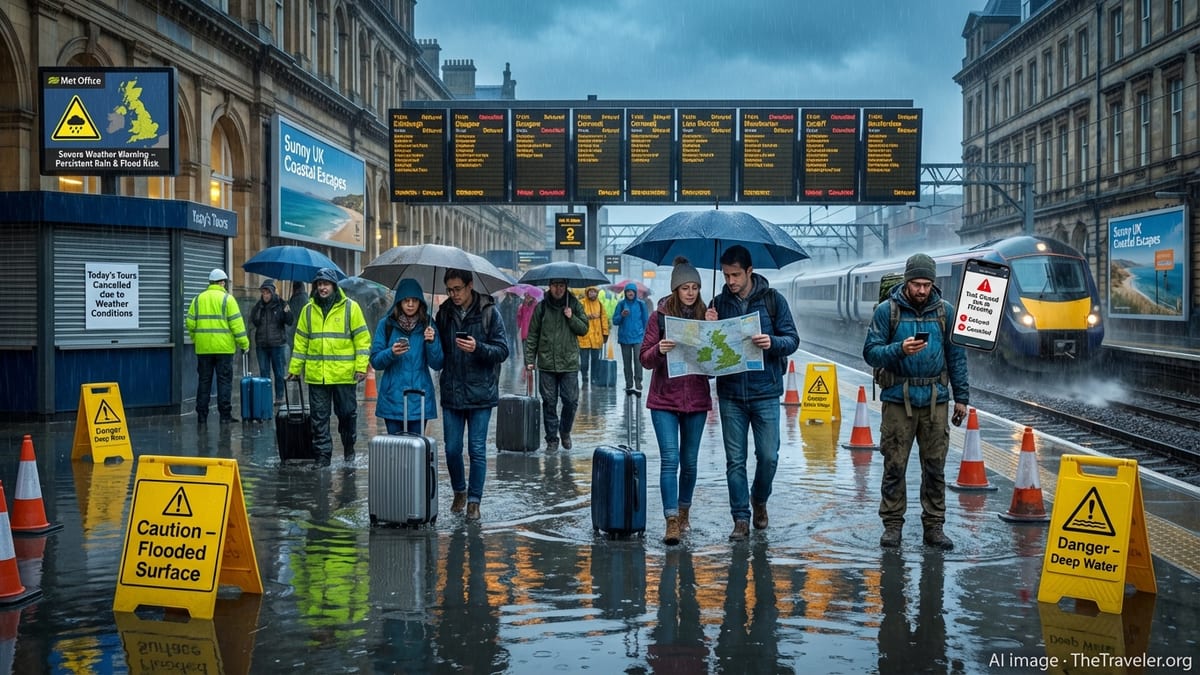
Evacuations in At-Risk Communities
Published coverage indicates that residents were asked to leave their homes as a precaution when flames advanced toward properties on the edge of several communities in the east of England. Local reporting describes people being moved from streets closest to the fire line and sheltered with friends, family and in community facilities while crews assessed wind changes and hotspots.
In parts of east London and Essex bordering open fields and marshes, recent incidents have already seen around 35 residents temporarily evacuated from homes near large grass fires, illustrating how quickly properties can be put at risk when vegetation is tinder-dry. Similar precautionary measures have been taken around the current eastern England blaze, with emphasis on moving the most vulnerable residents first.
Travelers passing through affected areas have encountered short-notice diversions where roads were closed to allow fire engines and water carriers priority access. Rail passengers have also reported delays where smoke reduced visibility near lines and checks were carried out on trackside embankments prone to spot fires.
For visitors staying in nearby countryside cottages, campsites and holiday parks, accommodation operators have been advising guests to keep bags packed, follow local updates, and be ready to move quickly if conditions change. While most tourism businesses remain open, the experience underscores the need for flexible plans during the peak of the summer fire season.
Firefighters Confront Fast-Changing Conditions
According to incident reports from recent large outdoor fires in eastern England, fire and rescue services have been deploying dozens of firefighters, multiple fire engines and specialist off-road vehicles when flames race across fields and scrub. Similar tactics are being used in the latest wildfire, with crews forming long hose lines from hydrants and nearby water sources to create containment zones.
Publicly available information from recent grass and field fires in the wider region shows crews increasingly using wildfire beaters, portable pumps and 4x4 units to reach rough terrain that conventional appliances cannot access. This approach helps to tackle the fire front directly while additional teams patrol behind to damp down smouldering areas that could reignite.
Night-time operations are now a familiar feature of large UK wildfires, and the current eastern England incident is no exception. Cooler overnight temperatures can help, but shifting winds and very low fuel moisture mean crews must remain on scene for many hours to be confident that embers will not flare up near homes or roads as the next day heats up.
For travelers, this heightened response can mean seeing smoke columns, helicopters or long lines of appliances along key routes. Local services have been asking people not to stop to film near active scenes, both to avoid blocking access and to reduce distraction for drivers moving through smoky stretches.
Heat, Drought and Rising Wildfire Risk
The wildfire comes during one of eastern England’s hottest and driest spells of recent years. Government summaries of conditions in mid to late July highlight that parts of southern, central and eastern England are edging toward drought status, with months of below-average rainfall leaving grassland and heath severely dried out.
Data released by wildfire and drought coordination groups show that wildfires have already affected protected habitats and farmland across the country this season. Even though the total number of recorded wildfires so far this year is lower than in some recent summers, officials and land managers have warned that a single large blaze can still have major consequences for communities, wildlife and infrastructure.
The current blaze in eastern England mirrors a broader pattern of climate-pressured fire seasons, with higher temperatures extending the period in which vegetation can burn. For destinations along the east coast and in lowland countryside, that trend translates into more days where a dropped cigarette, disposable barbecue or vehicle exhaust over dry grass can ignite a fast-moving fire.
Visitors planning countryside walks, coastal drives or cycling routes in the region are being urged by public campaigns to check local fire danger ratings, avoid open flames, and report any signs of smoke at the earliest opportunity. Simple steps such as parking only on solid surfaces, fully extinguishing cigarettes and respecting access restrictions around heathland can significantly reduce the chance of new ignitions.
Impact on Travel, Tourism and Local Businesses
While the current evacuation numbers are relatively limited compared with major wildfire emergencies overseas, the disruption for local residents and tourists is still significant. Rural bed-and-breakfasts, farm stays and small attractions near the fire zone have had to cancel or rearrange bookings at short notice where access roads are closed or smoke levels are high.
Some coastal and countryside routes popular with day-trippers from London and the Midlands have experienced heavier congestion as drivers divert around cordons. Publicly available travel updates show that bus operators have introduced temporary route changes in places where smoke or firefighting activity makes normal timetables unsafe or impractical.
For the wider travel industry, the incident adds to a growing list of climate-related disruptions affecting summer plans in Europe, from heatwaves to wildfires in popular destinations. Travel advisors increasingly recommend that visitors consider flexible tickets, travel insurance that covers environmental disruption, and backup itineraries that remain within the same region but avoid high-risk fire corridors.
In the communities directly affected, local shops and hospitality venues often play a quiet supporting role, staying open longer to provide food, water and rest spaces for residents away from the evacuation zone. Even once roads reopen, smoke-affected businesses can take days to return to normal operations, particularly where outdoor seating or farm-based activities are central to the visitor experience.
Guidance for Visitors Heading to Eastern England
For travelers with upcoming trips to eastern England, current information suggests there is no need to cancel visits across the broader region, but there is a clear need for heightened awareness. Tourism boards and local councils have been sharing safety messages that emphasize preparation and cooperation with any emergency instructions.
Visitors are advised to monitor regional news and official channels for updates on the wildfire’s status, especially if staying in rural lodgings near heathland, forests or large arable fields. Accommodation providers can often give the most practical, location-specific advice on whether smoke, road closures or trail restrictions are likely to affect planned activities.
Simple planning steps include identifying at least two exit routes from accommodation, keeping mobile phones charged, and storing essential documents and medications in an easy-to-grab bag. Campers and caravanners are particularly encouraged to position vehicles so that they can be moved quickly if conditions change, and to avoid any form of open fire unless in a designated, currently permitted facility.
As eastern England contends with a hotter, drier climate, this wildfire serves as another reminder that even traditionally mild coastal and lowland destinations now face seasonal fire risks. With careful preparation and respect for local guidance, residents and visitors alike can help reduce those risks while continuing to enjoy the region’s landscapes and seaside towns.