


More news on this day
International airlines are cautiously restoring parts of their Middle East networks after months of war-related disruption, but schedules remain thin, routings indirect and many routes suspended as carriers continue to navigate security restrictions and volatile demand.
Get the latest news straight to your inbox!
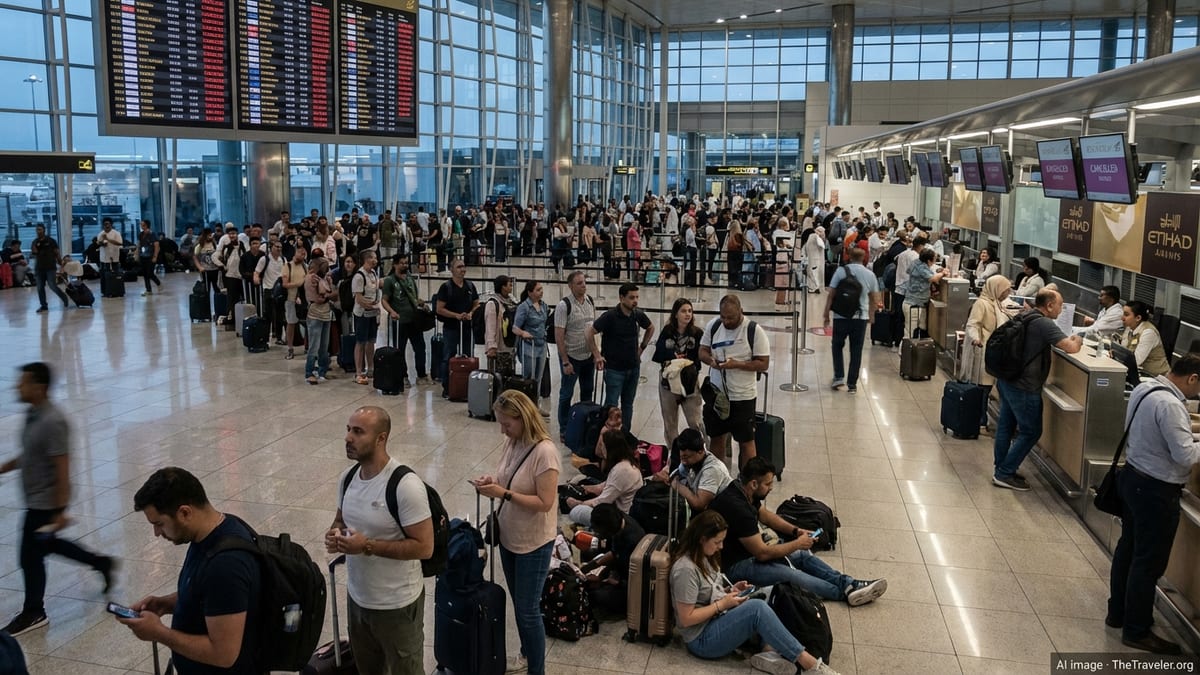
Selective resumptions after widespread suspensions
Published coverage indicates that the large wave of cancellations that followed U.S. and Israeli strikes on Iran in late February has given way to a patchwork of resumptions across the region. While outright bans on overflying some conflict zones have eased, many airlines are opting for limited schedules rather than a full return to pre-crisis capacity.
Factbox-style updates from Reuters and other outlets show European and Asian carriers gradually reinstating flights to key Middle Eastern hubs, often with reduced frequencies and temporary schedules running only through the summer. Some airlines are capping routes such as Dubai, Doha, Riyadh and Tel Aviv at a single daily service, while removing secondary destinations like Jeddah from their networks for now.
The change in posture reflects a shift from emergency cancellation to risk management. Instead of blanket suspensions, airlines are weighing route-by-route profitability against the cost of longer detours, higher insurance premiums and fluctuating passenger confidence. The result is a fragile recovery in capacity that remains vulnerable to any renewed escalation.
Industry reports also describe a growing split between local Gulf carriers, which have largely maintained or rebuilt robust schedules, and foreign airlines that continue to adopt a more conservative stance, particularly on routes touching Israel, Lebanon and parts of Iraq, Syria and Iran.
European carriers test the waters with limited returns
European airlines have been among the most cautious in restoring Middle East services, and their latest adjustments underline the uneven nature of the rebound. Coverage of schedules for groups such as Lufthansa, Air France and British Airways shows a mix of prolonged suspensions, partial resumptions and delayed restarts stretching well into the summer and early autumn.
Reports from German and Ghanaian news outlets note that airlines in the Lufthansa Group extended the suspension of several Middle East routes earlier in the spring, including Dubai and Tel Aviv, with some services pushed back toward late summer or even October. More recently, updated timetables suggest a gradual return of select Tel Aviv and Gulf flights starting in June, but often at sharply reduced frequencies compared with 2023.
France-based coverage highlights a somewhat faster move by Air France, which has pursued an earlier return to cities such as Riyadh, Beirut, Dubai and Tel Aviv, reintroducing services through late May and early June. Analysts cited in European aviation reports point to differing corporate risk appetites and insurance costs as key factors behind these divergent strategies.
Data referenced by UK aviation groups shows that overall cancellations on Middle East routes out of Britain have fallen from the peak seen in March. However, scheduled capacity remains significantly below pre-war levels, with some carriers keeping contingency plans in place should airspace restrictions tighten again.
Gulf hubs emerge as relative anchors of stability
While many foreign airlines continue to trim or reroute services, major Gulf carriers appear to be reasserting their role as regional lifelines. Logistics and freight updates from operators tracking Middle East operations describe Emirates and Etihad operating close to full schedules from their home bases, even as they contend with congestion and occasional infrastructure constraints.
Information from cargo and freight specialists indicates that Qatar Airways has rolled out a full summer schedule from mid-June, reinforcing Doha’s position as a key transfer hub as travelers and shipping clients look for predictable connections. The carrier’s move, including the deployment of large widebody aircraft, is viewed in industry commentary as one of the clearest signs of recovering capacity in the region.
At the same time, airports such as Kuwait City and certain secondary Gulf gateways remain affected by earlier damage and operational bottlenecks. Logistics bulletins describe slow foreign-carrier returns where terminals were hit in prior attacks, with domestic and regional airlines filling in some of the capacity gaps.
The relative resilience of Gulf hubs is reshaping travel patterns. With overflight corridors still constrained over parts of Iran, Iraq and Israel, route maps compiled by aviation analysts show more long-haul flights funneling through Saudi and Egyptian airspace, adding distance but providing a stable alternative to previously shorter but riskier tracks.
Persistent airspace rerouting keeps journeys longer and costs higher
Even where flights have resumed, many are still operating on extended routings designed to skirt sensitive airspace. Updates from the International Civil Aviation Organization’s Middle East office note that while all flight information regions in the area have technically reopened, a significant share of traffic between Europe and the Middle East continues to favor safer corridors over Saudi Arabia and Egypt instead of more direct paths.
Travel advisories compiled by aviation commentators emphasize that overflight restrictions and risk-based advisories remain in place across multiple countries, including large portions of Iran, Iraq, Israel, Jordan, Lebanon, and parts of the Gulf. Some European carriers are reported to be maintaining reduced schedules precisely because flying around these zones adds substantial time and fuel burn, squeezing already tight margins.
Analyses in specialist aviation magazines describe how higher insurance premiums for flights crossing or approaching conflict-affected areas are feeding directly into airline cost bases. Combined with lingering uncertainty about passenger demand, these expenses are encouraging airlines to limit their exposure to only the most commercially essential routes.
For travelers, the operational reality is longer flight times, fewer nonstops and less choice of departure times than before the crisis. Booking data cited in industry commentary suggests that some passengers are opting to connect via relatively unaffected hubs in Europe or Asia rather than fly nonstop on routes perceived as higher risk.
Travelers face continued uncertainty amid fragile recovery
For passengers planning trips to or through the Middle East, the current phase is characterized by partial normalisation accompanied by ongoing unpredictability. Airline factboxes compiled by international news agencies show that schedules are still being revised week by week, with some carriers extending suspensions at short notice while others announce near-term resumptions.
Coverage in Asian and Middle Eastern business media shows that several regional airlines, including Philippine Airlines, have prolonged suspensions on select Middle East routes into late May and beyond, citing security concerns and airspace limitations. Other carriers have published temporary timetables running only through late July, signaling that they are not yet ready to make longer-term commitments.
Industry economic outlooks from organizations such as the International Air Transport Association describe Middle Eastern airlines as facing a disproportionate financial hit compared with peers in other regions, reflecting both the direct impact of the conflict and the cost of diversions. Still, the same forecasts suggest that demand for travel to major religious and business destinations in the Gulf remains resilient, supporting a gradual rebuild in capacity.
Travel experts advising consumers generally recommend closely monitoring airline notifications and checking flight status repeatedly in the days leading up to departure. With resumptions uneven and disruption still common, flexible tickets, comprehensive travel insurance and a willingness to accept last-minute rerouting remain important tools for anyone transiting the region this summer.