


More news on this day
Recent incidents involving American Airlines aircraft halted on the tarmac during emergencies and irregular operations are drawing renewed attention to how the carrier manages delays, diversions and on board passenger care while planes are on the ground.
Get the latest news straight to your inbox!
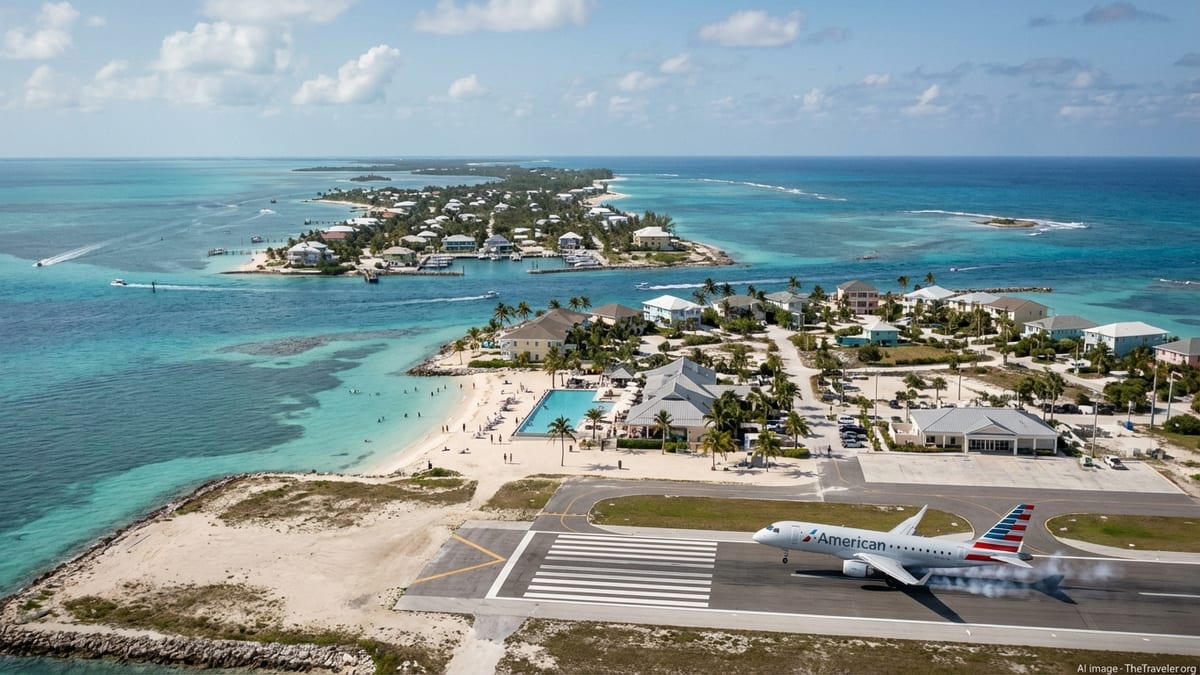
Recent emergencies highlight pressures on the ground
Publicly available flight tracking data and passenger accounts in recent weeks point to several American Airlines flights experiencing emergencies that unfolded largely on the tarmac rather than in the air. Some events have involved precautionary responses to declared inflight issues that ended with aircraft surrounded by emergency vehicles after landing, while others centered on long ground holds with passengers confined on board.
In June, one American Airlines Boeing 737 operating as Flight AA1641 returned to Miami shortly after departure following a reported technical issue. According to published coverage, the aircraft landed safely and was met on the tarmac by fire and rescue vehicles as a standard safety step, with passengers remaining on board during the initial assessment before being moved onward on replacement arrangements.
Travel industry outlets have also detailed additional episodes this summer in which American aircraft diverted from their planned routes and parked at remote stands or unused gates, leaving customers waiting as crews coordinated inspections, fuel and crew duty-time limits. In several cases, passengers described sitting on the ground for extended periods while decisions were made about whether to continue, cancel or reroute the flight.
Passenger reports describe long tarmac waits
Alongside official data, passenger narratives shared on social media and travel forums paint a picture of growing frustration with lengthy waits in sealed cabins after pushback from the gate. Travelers on recent American Airlines services have reported multi hour delays on the tarmac during peak summer travel, sometimes linked to weather, congestion, crew availability or ground system disruptions.
In one widely discussed account involving a transcontinental flight from Los Angeles to Boston in late July, a passenger described being boarded on time but then remaining on the tarmac for around five hours before takeoff while the aircraft awaited clearance and operational solutions. Others have posted about sitting on parked jets for more than three hours after landing because of gate shortages, staff constraints or cascading delays at hub airports.
Some travelers recount receiving compensation in the form of loyalty miles or vouchers after filing complaints, while others say they struggled to obtain clear explanations about what happened or whether the delay qualified under carrier policies. The stories reflect not only individual emergencies but also the broader strain that irregular operations place on airlines and airport infrastructure when aircraft, crew and passengers are all in the wrong place at once.
Regulatory limits on tarmac delays
United States rules place explicit limits on how long passengers can be kept on the tarmac without an opportunity to deplane, and American Airlines states in its own contingency plan that it will not permit a domestic aircraft to remain on the tarmac at a U.S. airport for more than three hours without offering passengers a chance to exit. The thresholds are longer for international flights, but carriers are still required to provide water, snacks, functioning restrooms and updates during such delays.
The U.S. Department of Transportation has previously taken enforcement action when American Airlines exceeded those limits. In a 2023 consent order, regulators cited 43 flights in which passengers remained on aircraft beyond the permitted time without being given the option to deplane, and concluded that the airline had not ensured sufficient resources to carry out its tarmac delay plan during periods of disruption.
More broadly, federal guidance emphasizes that airlines must file and follow emergency contingency plans for lengthy tarmac delays, covering both scheduled airports and designated diversion points. These documents are intended to ensure that when irregular operations or emergencies arise, there are predefined procedures for coordinating with airports, sharing gates and prioritizing passenger welfare on the ground.
Emergency responses and diversions under scrutiny
Not all tarmac emergencies involve long delays. Some of the most visible events this summer have followed inflight alerts that led to precautionary returns or diversions where the aircraft landed, stopped on the runway or a nearby taxiway and was met by emergency vehicles. In such instances, passengers are typically instructed to remain seated while crews and responders determine whether an evacuation is necessary or the aircraft can be towed to a gate.
One recent example involved an American Airlines widebody flight departing Boston for London that diverted to New York after a possible landing gear issue was detected. Reports indicate that after arriving at John F. Kennedy International Airport under emergency declaration, the aircraft was inspected on the ground before customers were moved onto alternative arrangements. Although the episode ended without injuries, images of fire trucks and ambulances surrounding the jet on the tarmac circulated widely online.
Separate coverage has highlighted diversions attributed to fuel concerns, onboard medical episodes and security related matters, all of which can lead to unscheduled landings at airports that may not have spare gates or ground staff immediately available. In these scenarios, passengers can face lengthy waits on remote stands while crews coordinate medical assistance, additional fuel, security checks or new flight plans.
Balancing safety, operations and customer expectations
Industry analysts note that safety procedures take precedence during any emergency or irregular operation, and that keeping passengers on board can sometimes be the least risky option until aircraft and airfield conditions are fully assessed. At the same time, repeated experiences of long tarmac waits have sharpened public focus on how airlines like American communicate with customers and apply their contingency plans in real time.
For travelers, the recent incidents serve as a reminder to monitor flight status closely, prepare for potential ground delays and understand their rights under tarmac delay rules. Travel advocates often recommend carrying essential medications, snacks and chargers in a personal item so they remain accessible if a flight is held away from the gate.
For American Airlines, a summer marked by high demand, weather disruptions and scattered emergencies on the tarmac is likely to keep operational reliability and passenger care at the center of scrutiny. How effectively the carrier manages future irregular operations and adheres to regulatory limits on tarmac delays will continue to shape traveler perceptions of its performance during the most stressful moments of the journey.