


Banff National Park is one of those rare places that feels almost unreal at first sight: turquoise lakes backed by jagged peaks, wildlife on the roadside, and a compact alpine town with cafes, craft beer, and gear shops. In 2026, new shuttle systems, park pass rules, and record visitor numbers mean a bit of planning goes a long way. This guide brings together the latest practical details on what to do, where to stay, and when to visit so you can make the most of your time in Banff without feeling overwhelmed.
Get the latest updates straight to your inbox!
Why Banff Belongs on Your Travel List
Banff National Park, Canada’s first national park, stretches across more than six thousand square kilometres of the Canadian Rockies in western Alberta. The heart of most visits is the town of Banff itself, about a 90-minute drive west of Calgary, with satellite hubs at Lake Louise and the ski resorts that turn into hiking bases in summer. You can fly into Calgary International Airport, rent a car or take a bus along the Trans-Canada Highway, and be checking into a Banff hotel the same afternoon.
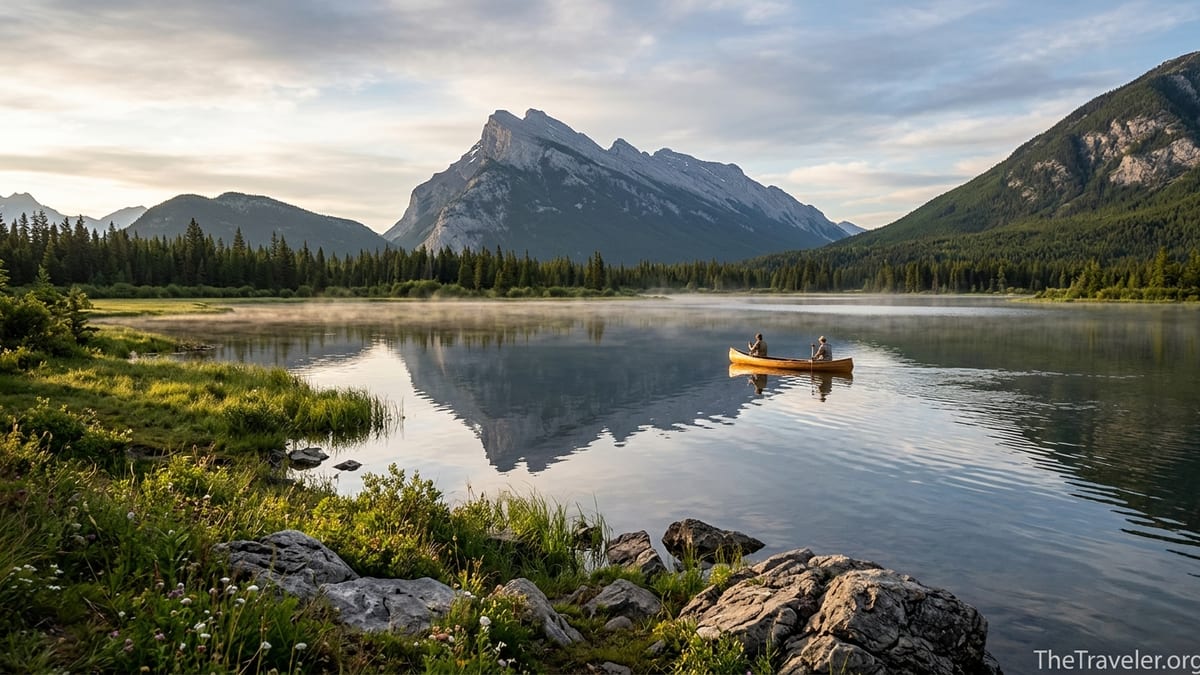
The scenery is the main draw: emerald rivers like the Bow and Spray, glaciers clinging to high ridges, and famous lakes such as Lake Louise and Moraine Lake. These names are not just brochure images. Standing on the rock pile at Moraine Lake at sunrise or watching alpenglow hit the Victoria Glacier above Lake Louise is a very different experience from seeing those places on social media. Even roadside stops like Vermilion Lakes, five minutes from downtown Banff, can deliver glassy reflections of Mount Rundle at sunrise without a big hike.
Banff also works well for different travel styles. A couple in their 30s might base themselves in town, spend mornings on moderate hikes like Sulphur Mountain or Tunnel Mountain, and afternoons at breweries and the Banff Upper Hot Springs. A family could mix short walks at Johnston Canyon with gondola rides and a half-day wildlife tour so kids have variety without long slogs. Budget-conscious backpackers can rely on hostels and regional buses, while honeymooners can splurge on landmark hotels such as the Fairmont Banff Springs or Fairmont Chateau Lake Louise.
Because Banff is inside a national park managed by Parks Canada, everyone who enters must have a valid park pass. In 2026, there is also a special Canada Strong initiative period in summer where admission for many visitors is discounted or free, but the rules and dates can be specific. It is safest to assume you will need to budget for a pass and check details when you book, rather than counting on deals. You can buy passes online in advance or at the park gates and visitor centres, and they are checked regularly when you drive in.
Best Things To Do in and Around Banff
If you have three or four days, you can see many of Banff’s classic sights without rushing. Start close to town with viewpoints like Surprise Corner, where a short walk from a roadside pullout reveals a sweeping view of the Fairmont Banff Springs perched above the Bow River. Continue to the Bow Falls viewpoint for an easy stroll along the river. These spots take minutes to reach and are ideal on your arrival day when you might be jet-lagged from a long flight to Calgary.
For a gentle introduction to hiking, Tunnel Mountain is right behind town. The return hike usually takes two to three hours for most visitors and rewards you with a grandstand view over the Bow Valley, Mount Rundle, and the Banff townsite. You can walk from most hotels on Banff Avenue to the trailhead, which makes it a practical choice if you arrive without a car. Another low-effort, high-reward walk is along the shoreline of Two Jack Lake or Lake Minnewanka, a short drive from town, where you are likely to see paddlers, picnickers, and possibly bighorn sheep on the roadside.
The Banff Gondola on Sulphur Mountain remains one of the most popular attractions. In high season, expect prices to be significant by family standards, but the payoff is a mountaintop boardwalk with 360-degree views, interactive exhibits, and a summit restaurant. Many travellers pair the gondola with an evening soak at Banff Upper Hot Springs, which use geothermally heated water and stay open into the evening. You can reach both with Roam Transit buses from downtown without needing a vehicle, which is useful when summer parking lots are full.
Beyond Banff, two day-trip anchors define most itineraries: Lake Louise and Moraine Lake. Around Lake Louise, options range from a flat stroll along the lakeshore to the moderate Lake Agnes Teahouse hike, which climbs to a small backcountry-style tea house where you can buy simple lunches and hot drinks, often paying cash to keep things fast. At Moraine Lake, trails like the Rockpile and lakeshore walk are short but crowded, while more ambitious hikers tackle the Larch Valley or Sentinel Pass routes when conditions allow. Remember that Moraine Lake is only accessible by shuttle, commercial tour, bike, or on foot, so last-minute self-driving is no longer possible.
Understanding Park Passes, Shuttles and Getting Around in 2026
Transport logistics are the biggest change for Banff visitors in recent years. Private vehicles can no longer drive to Moraine Lake during the summer season, and Lake Louise parking fills extremely early most days. For 2026, Parks Canada continues to rely heavily on a shuttle reservation system from a designated park-and-ride near Lake Louise, along with local public transit and commercial shuttles. That means you now plan your days almost like booking timed museum tickets in a big city: you decide when you want to be at Lake Louise or Moraine Lake and secure shuttle seats well before your trip.
Parks Canada shuttle reservations for Lake Louise and Moraine Lake typically open in mid-April for the summer season. For 2026, many departures in July and August sold out within minutes for peak times, based on traveller reports. If you know you want a sunrise shuttle to Moraine Lake in early July, you should be online at release time, with an account created and your preferred dates selected in advance. Seats are released in batches, so if you miss the initial wave, it is still worth checking back, especially closer to your travel dates when people cancel.
Roam Transit, the regional bus system linking Banff, Canmore, and Lake Louise, offers a Super Pass option in summer that covers local routes plus a reserved seat on certain Lake Louise and Moraine Lake connections. This appeals to visitors who do not want to rent a car. For example, a couple staying in downtown Banff for four nights might rely entirely on Roam: bus from Banff to Lake Louise one day, using the included connector shuttle between the lakes, and another day riding Roam to the Banff Gondola and back. They pay for the pass upfront but save on rental and parking fees while avoiding the stress of driving mountain roads.
You still need a valid Parks Canada pass when using shuttles or public transit inside the park. Day passes are priced per person or per vehicle and are often worthwhile if you are only visiting Banff briefly. If you are planning a longer trip that includes other national parks such as Yoho or Jasper, the annual Discovery Pass can become cost-effective even if the upfront cost feels high. Some 2026 promotions offer reduced or free park admission over specific dates, but they do not remove the need to book shuttles or accommodation, which remain in high demand.
Where to Stay: Banff, Lake Louise and Beyond
Choosing the right base has a bigger impact on your Banff experience than many people expect. Staying in the town of Banff gives you the most dining, shopping, and nightlife options, along with frequent bus connections and tour pick-ups. Expect a broad price range here. At the top end, properties like the Fairmont Banff Springs, often described as a castle in the Rockies, deliver resort-style amenities and commanding views over the Bow River valley. In the middle bracket, hotels along Banff Avenue such as Moose Hotel & Suites or Elk + Avenue often run in the mid-range price tier in high season, with perks such as rooftop hot pools or included breakfast.
For travellers watching their budget, Banff has several hostels and motel-style lodgings. Shared dorm beds at hostels may still cost more than private rooms in some other destinations, especially in July and August, but you gain access to kitchens, gear storage, and social spaces that can make trips more affordable. Booking four to six months in advance for peak summer weekends is now common advice. Those willing to visit in May, early June, or late September can sometimes find nightly rates 30 to 40 percent lower than the July and August peak, according to recent price surveys by independent travel sites.
Lake Louise offers a very different atmosphere. The hamlet near the highway has a small cluster of hotels and services, while the more famous lakeshore area is dominated by the Fairmont Chateau Lake Louise, which sits directly on the water. Staying here means you can walk out at dawn or late evening when most day-trippers are gone, but you pay a significant premium for that access. Cheaper options include simple inns and hostels in the village or along the Icefields Parkway, though they still often cost more than similar properties in nearby Canmore.
Canmore, just outside the national park gate, has grown into a popular base for visitors who want apartment-style lodging and slightly lower prices. You still need to factor in daily park pass costs and commuting time, roughly 20 to 30 minutes to Banff by car or Roam bus, but you gain access to supermarkets and condo-style rentals with kitchens. A common strategy in 2026 is splitting a week between locations: three nights in Canmore to keep costs manageable while exploring Banff and nearby Kananaskis Country, then two nights at Lake Louise to be close to the lakes and hiking trails without long drives.
When to Visit Banff: Seasons, Weather and Crowds
Banff is a true year-round destination, but what you can do varies hugely by season. In winter, typically from late November to April, the focus is on skiing and snowboarding at resorts such as Sunshine Village, Lake Louise Ski Resort, and Mount Norquay. Town feels quieter on weekdays, and accommodation deals are more common outside major holidays. Temperatures can drop well below freezing, and daylight hours are shorter, but clear winter days bring stunning views with snow-dusted peaks and a good chance of seeing frozen waterfalls and ice walks in canyons.
Spring and fall are the shoulder seasons. In May, many higher hiking trails are still snow-covered, but lower routes like Johnston Canyon, Tunnel Mountain, and some sections of the Bow Valley Parkway are typically accessible. Wildlife viewing is often excellent, with elk, deer, and occasionally bears visible from the road. September and early October bring cooler temperatures and the famous larch trees turning golden in places such as Larch Valley and Sentinel Pass. However, you must be flexible with plans then, as early snow can close some trails without much warning.
Summer, from late June through early September, is the busiest period. This is when turquoise lakes look their most vivid, high alpine trails are usually free of snow, and virtually every tour and shuttle is running at full capacity. It is also when hotel prices, restaurant waits, and shuttle competition reach their peak. A visit in the first half of June or the second half of September can be a smart compromise: the main roads and services are open, but crowds are thinner, and you are more likely to find last-minute availability for activities such as canoe rentals or guided hikes.
Weather in the Rockies is famously unpredictable. Even in July, you should pack a warm layer and waterproof jacket, as temperatures can swing from t-shirt weather in town to near freezing at higher passes. Afternoon thunderstorms are common in summer, so many hikers aim for early morning starts. In shoulder seasons, cold nights and bright sunny days are typical. If you are planning activities like the Banff Gondola or lake cruises, booking them for earlier in your trip gives you time to reschedule if weather is poor, which is especially useful on short visits.
Practical Tips for a Smooth Banff Trip
A successful Banff visit in 2026 has as much to do with planning as it does with scenery. Make your accommodation and key shuttle or gondola reservations before you book flights whenever possible. For example, if your heart is set on seeing Moraine Lake at sunrise in July, first see which days you can get a shuttle reservation, then plan your flights around that window. It is increasingly common for travellers to reverse the usual order because of limited availability on peak days.
Once you arrive, stop at a visitor centre in Banff or Lake Louise early in your stay. Staff can give up-to-date advice on trail conditions, wildlife closures, and fire restrictions, which can change quickly through the season. If you planned to hike Plain of Six Glaciers but discover it is still icy, they might suggest Lake Agnes instead, or redirect you to a safer route. Buying bear spray in Banff or renting it from some outfitters is recommended if you plan to hike, especially in more remote areas, and staff can explain how to use it properly.
Budgeting realistically will help you enjoy the trip without constant sticker shock. As of spring 2026, many travellers report paying big-city prices for meals in Banff, particularly at popular restaurants on Banff Avenue. To keep costs down, mix sit-down dinners with picnic lunches made from supermarket groceries, refill a reusable water bottle instead of buying bottled water, and consider staying somewhere with a small kitchenette so you can cook breakfast. Activities like hiking, scenic drives, and lakeside walks are free once you have your park pass, so they can balance out more expensive days that include gondola rides, hot springs, or guided excursions.
Finally, build in flexibility. Mountain weather, shuttle delays, and crowding at key viewpoints can all disrupt rigid schedules. A good rule of thumb is to plan one major highlight per day, such as “Lake Louise and Moraine Lake” or “Banff Gondola and hot springs,” with a shortlist of secondary options that are easy to swap in. That way, if smoke from wildfires drifts into the valley or thunderstorms shut down an exposed ridge, you can pivot to museums, short forest walks, or an evening wildlife drive along the Bow Valley Parkway instead of feeling like the day is lost.
FAQ
Q1. Do I really need a park pass to visit Banff in 2026?
Yes. Everyone stopping in Banff National Park needs a valid Parks Canada pass, whether you arrive by car, bus or tour. Some temporary admission promotions apply in 2026, but they do not remove the requirement to hold a pass; they simply change who pays and how much. You can buy passes online in advance or at park gates and visitor centres.
Q2. How far in advance should I book my Banff and Lake Louise accommodation?
For peak summer dates in July and August, aim to book four to six months ahead for the best choice, especially in Banff town and around Lake Louise. Shoulder seasons such as May, early June and late September are more forgiving, and you may find reasonable options a month or two out, but last-minute bargains are rare for well-located properties.
Q3. Can I drive my own car to Moraine Lake in 2026?
No. Private vehicles are not allowed to use the Moraine Lake access road during the main season. You must use a Parks Canada shuttle, Roam Transit connection, commercial tour, taxi, or bike or walk the road. The change was introduced to reduce congestion and environmental pressure, and there is no sign of it being reversed for 2026.
Q4. Is Banff or Canmore a better place to stay?
Banff is inside the national park and puts you closer to most classic sights, with more frequent bus services and tour departures. Canmore, just outside the park, often offers apartment-style stays and slightly better value, plus big supermarkets. If it is your first visit and you have a short trip, Banff is usually more convenient. For longer stays or self-catering trips, many travellers split time between both.
Q5. What is the best month to visit Banff for hiking and turquoise lakes?
If your priority is classic turquoise lakes and mostly snow-free hiking trails, late June through early September is the safest window. July and August give the most reliable conditions but also the biggest crowds and highest prices. The second half of June and late September can be excellent compromises, with somewhat fewer visitors and cooler temperatures.
Q6. Do I need a car, or can I rely on buses and shuttles?
You can visit Banff without a car by combining regional buses from Calgary, Roam Transit within the park, and Parks Canada shuttles to Lake Louise and Moraine Lake. This works particularly well if you are comfortable planning around fixed departure times and staying in central Banff or Lake Louise. A rental car adds flexibility for sunrise starts, side trips and less-visited trailheads, but it is not essential for a successful first visit.
Q7. How expensive is Banff compared with other destinations?
By Canadian standards, Banff is on the higher end for accommodation and dining, especially in peak season. A basic hotel room in July can cost what a four-star city hotel might charge in shoulder season. You can manage costs by visiting outside peak dates, using hostels or condos with kitchens, picnicking for some meals and focusing on low-cost activities such as hiking and scenic viewpoints once your park pass is paid.
Q8. Is it safe to hike in Banff if I am a beginner?
Yes, provided you choose appropriate trails, check conditions, and prepare properly. Banff has many beginner-friendly routes such as Tunnel Mountain, Johnston Canyon and lakeside paths at Lake Louise or Lake Minnewanka. Wear sturdy footwear, carry water and a warm layer, start early, and respect wildlife. For higher or longer routes, consider joining a guided hike if you lack mountain experience.
Q9. What should I pack for a summer trip to Banff?
Even in July and August, bring layers. A typical packing list includes a waterproof jacket, fleece or light insulated layer, hiking shoes, hat and gloves, sun protection, refillable water bottle and daypack. Temperatures can feel like summer in town yet drop close to freezing at higher elevations, so having flexible clothing is more important than packing heavy items.
Q10. How many days do I need in Banff for a first visit?
Three full days is a reasonable minimum for a first trip, allowing one day around Banff town, one day for Lake Louise and Moraine Lake, and one flexible day for additional hikes, the gondola or a side trip. With five to seven days, you can slow the pace, explore the Icefields Parkway, and include rest time or weather days so you do not feel rushed.