


Banff may be one of Canada’s most spectacular mountain destinations, but it is also one of its most expensive. With hotel rates hitting record highs in recent seasons, choosing the right place to stay matters more than ever for both comfort and budget. Whether you are dreaming of an iconic castle hotel, a fireplace cabin in the forest, a family suite with kitchen, or a simple hostel bed for a few nights on the trail, there is a Banff stay that fits your style if you know where to look and what to expect.
Get the latest updates straight to your inbox!
Understanding Banff’s Accommodation Scene in 2026
Banff sits inside a national park with limited land and a short peak season, which keeps prices high across the board. As of 2026, many midrange hotels that once averaged well under 300 Canadian dollars per night in summer now routinely price above that, while top luxury properties can run several times more during July and August. Travelers should expect sharp seasonal swings, with winter and late fall often meaning noticeably lower nightly rates and more availability, especially midweek.
Most accommodation in and around Banff takes the form of conventional hotels, lodges, inns, and hostels rather than large-scale vacation rentals. Local authorities have tightened rules on unauthorized commercial accommodation, which has reduced some of the informal inventory and placed more emphasis on licensed hotels, hostels, and cabins. For visitors, this means focusing planning efforts on established properties in Banff townsite, nearby areas like Tunnel Mountain and the Banff Avenue corridor, or along the highway between Banff and Lake Louise.
Because demand is strong, especially in summer and during ski season, booking early is not just helpful but often essential. Families looking for multi‑bedroom suites, couples hoping for hot tub cabins, and budget travelers wanting private hostel rooms commonly need to reserve several months in advance. If your dates are fixed around long weekends or school holidays, it is sensible to start looking as soon as bookings open for your target properties.
For most travelers, the first decision is whether to prioritize walkable access to downtown Banff, scenic seclusion on a mountainside or in the forest, or a lower rate in nearby communities such as Canmore. Downtown and river-adjacent hotels command a premium for convenience and views. Properties on Tunnel Mountain or the outskirts of town typically trade a longer walk or short bus ride for more space, parking, and often better value.
Luxury Icons: Castles and Mountain Resorts
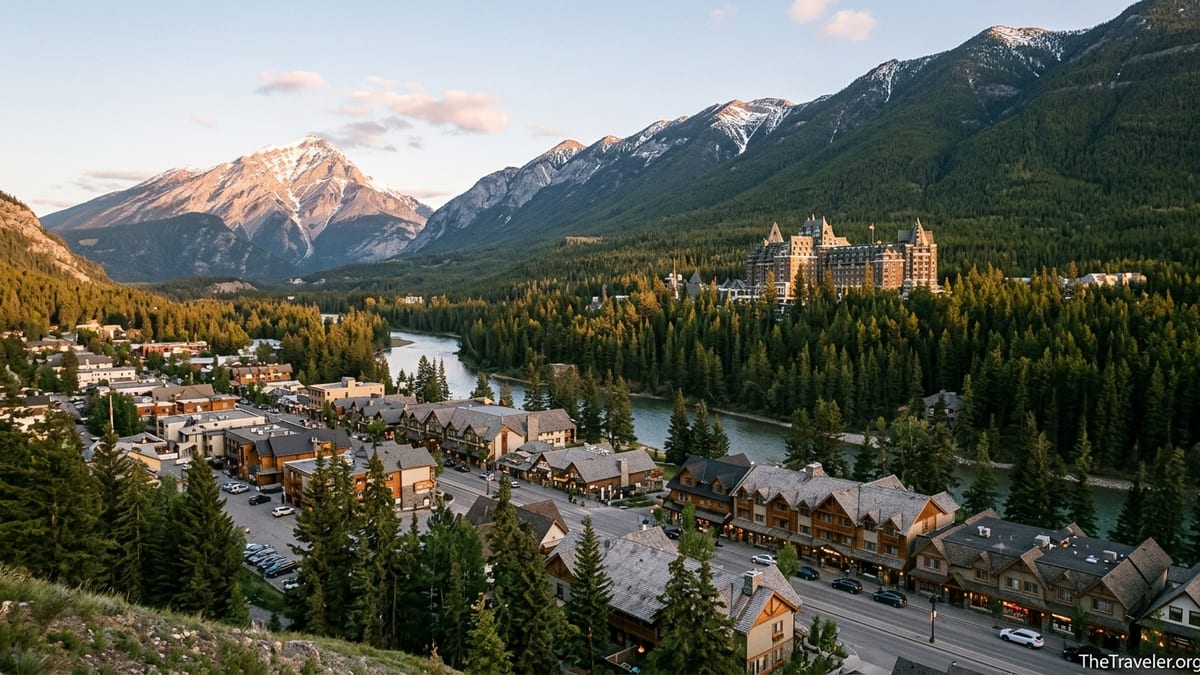
When travelers imagine staying in Banff, the Fairmont Banff Springs is usually the first hotel that comes to mind. This historic “Castle in the Rockies” occupies a dramatic position above the Bow River and has been drawing guests for over a century. Today it offers hundreds of rooms and suites with mountain-inspired decor, extensive dining options, a large spa, and a celebrated outdoor pool with views across the valley. Recent guest reports in 2026 describe one‑bedroom suites here reaching around 700 US dollars per night in high season, with standard rooms still commanding a significant premium over most of town, a price many guests feel reflects the scale of amenities and service.
Another major upscale option is the Rimrock Resort Hotel, set on the slope of Sulphur Mountain within the national park. Elevated above town, it looks toward the Bow Valley and is a short distance from the Banff Upper Hot Springs and the Sulphur Mountain gondola base. This hotel draws travelers who prefer a quieter, more retreat-like atmosphere than the busier Banff Springs, but still want full-service facilities, refined dining, and well-appointed rooms. Because it is slightly outside the main townsite, rates here can sometimes undercut the castle hotel while still delivering a luxury experience.
Travelers who plan to split their time between Banff and Lake Louise sometimes pair a stay at one of these Banff icons with a night or two at the Fairmont Chateau Lake Louise on the shores of its famous turquoise lake. While Lake Louise is technically outside Banff town, many itineraries naturally combine the destinations. The Chateau offers a grand lakeside setting and direct access to hiking trails, but at a price that rivals or exceeds the highest Banff rates in peak summer. In 2026, some travelers are finding better overall value by basing in Banff and visiting Lake Louise on day trips, then returning to the larger choice of restaurants and evening activities in town.
If you are interested in a luxury stay but wary of top-tier prices, consider shoulder seasons. Late March or early April can offer a mix of spring skiing at Sunshine Village or Lake Louise and emerging hiking opportunities, while still undercutting peak July and August pricing at the major resorts. Likewise, November and early December often bring attractive promotions before the rush of Christmas and New Year bookings.
Midrange Hotels and Lodges for Classic Banff Comfort
For many visitors, the sweet spot lies in Banff’s midrange hotels and lodges, which balance comfort, amenities, and price. Properties along Banff Avenue and nearby side streets often place you within a walk or quick Roam bus ride of shops, cafes, and trailheads. An example is the Royal Canadian Lodge, located on Banff Avenue with just under 100 rooms and suites. It offers an indoor pool, spa-inspired features, and modern alpine styling. In summer, its central location and full-service feel appeal to couples and small families who want a classic hotel experience without castle-level rates.
Other popular midrange choices include lodges like Rundlestone Lodge on the edge of town, often highlighted as a practical base for active families. Rooms and suites there are designed with multi-day stays in mind, with some self-catering elements and shared facilities such as a hot tub and fitness area. While you may not get sweeping castle views, you do gain easier parking, a casual atmosphere, and close proximity to the highway for day trips to Lake Louise or the Icefields Parkway.
Several Banff hotels have embraced a warm, rustic-modern style that feels authentically alpine without slipping fully into luxury pricing. These often feature timber accents, stone fireplaces in lobbies, and outdoor hot tubs or fire pits. They can be a comfortable home base after a day on the slopes or the trail, especially for travelers who value atmosphere and amenities more than brand prestige.
In the midrange bracket, nightly summer rates commonly land in a band that can feel steep compared with similar hotels in non-resort cities, but they still represent meaningful savings compared with top-tier resorts. Reserving midweek nights or visiting outside the July to early September rush often reveals lower prices and more flexibility in room types, making it easier to secure connecting rooms, larger suites, or mountain-view upgrades.
Family Friendly Stays with Space and Pools
Families visiting Banff often prioritize two things: enough sleeping space and somewhere for kids to burn energy after a long drive or hike. Hotels with pools, water features, or family suites consistently rise to the top of family-focused recommendations. Douglas Fir Resort & Chalets on Tunnel Mountain is known among returning visitors for its indoor waterpark-style pool area and play zones, making it a favorite base for families who want built-in entertainment. While decor in some units is less polished than in newer hotels, the extra space and kid appeal can outweigh cosmetic details.
Fox Hotel & Suites and Moose Hotel & Suites, both near the heart of Banff Avenue, are frequently cited in recent family guides. The Fox offers one and two-bedroom suites with kitchenettes, making it easier to manage breakfast or simple dinners in-room, a tactic that can save a family of four a significant amount each day compared with restaurant meals. Its Cave and Basin inspired indoor pool area adds a memorable twist to standard hotel swimming. The Moose features spacious suites and is known for rooftop hot pools with mountain views, giving parents a scenic soak while older kids enjoy the water.
Hidden Ridge Resort on Tunnel Mountain is another strong option for families and small groups who prize space and kitchen facilities over a downtown address. Many units include full kitchens and multiple bedrooms, and the property’s outdoor hot pools look onto the surrounding peaks. Being outside the core means relying more on the car or local buses, but the combination of size, views, and amenities often compensates for the short commute into town.
When budgeting, families should look beyond just the nightly room price. A suite with a proper kitchen can reduce dining costs significantly, particularly during longer stays. Complimentary Roam bus passes, onsite laundry, and included breakfast at some properties can also offset higher base rates. Because the most popular family-friendly suites often sell out six to nine months ahead for summer and ski holidays, early planning is especially important in this category.
Romantic Cabins and Lodges for Couples
Couples seeking a more secluded or romantic stay around Banff are increasingly looking toward cabins and small lodges scattered between Banff and Lake Louise. Properties such as Storm Mountain Lodge & Cabins sit in the forest between the two towns and feature historic log cabins with wood-burning fireplaces, cozy interiors, and on-site dining. Typical cabins here accommodate two guests and provide a sense of being unplugged from town life, with no televisions and limited phone service, which many couples consider a feature rather than a drawback.
Other cabin-style stays and chalet complexes, including those near Castle Mountain, offer a similar retreat concept with options such as jetted tubs, private decks, and mountain views. Many of these cabins place you close to trailheads for hikes like Boom Lake or Stanley Glacier, making them ideal for long weekends that combine daytime adventures with quiet evenings by the fire. Availability can tighten quickly for peak foliage, Christmas, and midsummer dates, so flexible travelers may find better value in shoulder months like May, June’s early weeks, or late September.
Within or just above Banff town, several lodges have built or renovated condo-style units and suites with private hot tubs or deep soaking tubs, fireplaces, and plush bedding aimed at couples. These offer a compromise between rustic cabins and full-service hotels: you still have relatively easy access to restaurants, spas, and bars, but can retreat to your own private space at the end of the night. For many, the ability to walk back from a romantic dinner downtown rather than drive the highway in the dark is a meaningful advantage.
Prices for romantic cabins and premium one-bedroom suites often run close to, and sometimes beyond, those of midrange hotels, especially when private hot tubs are involved. However, couples frequently judge these stays by experience rather than square footage, valuing the feeling of having a standalone cabin or a mountain-facing balcony to themselves. Reading recent reviews for mentions of noise levels, updated interiors, and hot tub maintenance helps ensure the atmosphere lives up to the photos.
Smart Options for Budget and Solo Travelers
At the budget end of Banff’s spectrum, expectations need to adjust to the realities of a high-demand mountain resort. Local travelers often joke that “budget-friendly and Banff do not belong in the same sentence,” and it is true that even hostels can command rates that would pay for midrange hotels in some other destinations. Still, for solo travelers and backpackers, hostels remain the most accessible way to experience Banff without spending a large share of the trip budget on a bed.
Banff International Hostel offers dormitory-style accommodation alongside private rooms, including larger private rooms aimed at groups or families traveling on a budget. Hostels like this typically provide shared kitchens, laundry, and common rooms with fireplaces, making them social hubs where travelers trade trail conditions and bus tips. HI Banff Alpine Centre, part of a national hostel network, combines private and shared rooms with mountain lodge styling and often runs membership or seasonal pass discounts that reduce per-night costs on dorm beds during specific periods.
For small groups or families trying to control costs, reserving an entire hostel dorm room can sometimes be more economical than booking multiple conventional hotel rooms, especially outside the absolute peak weeks. This arrangement allows everyone to share the same space while still using hostel facilities like guest kitchens to cut back on restaurant spending. Travelers should, however, factor in transit times if a hostel sits slightly outside the core, as late-night returns from town may require a taxi or a longer walk.
Those on a tight budget also sometimes look to nearby Canmore for slightly lower or more flexible rates, though in recent years its prices have moved closer to Banff’s as popularity has grown. When comparing a hostel or budget hotel in Banff with a lower-priced option in Canmore, consider the cost and time of daily transfers, especially if you plan early morning hikes or late dinners. For many short stays, paying a bit more to remain in or very near Banff can save hours of commuting over the course of a trip.
How to Choose the Right Area and Season
Where you stay in and around Banff influences both your daily routine and your budget. Staying in downtown Banff or along the central stretch of Banff Avenue gives you walking access to most restaurants, bars, shops, and shuttle stops. This is ideal for travelers who arrive without a car, or those who want to enjoy the town’s nightlife and return to their hotel on foot. Expect to pay a premium for this convenience, especially for modern hotels and suites that combine central locations with new or recently updated interiors.
Stays on Tunnel Mountain and the outskirts of town, including many family resorts and condo-style properties, trade a slightly longer walk or bus ride for more space, quieter surroundings, and often better views across the valley. These areas work well for guests with vehicles who plan day trips across the park and who value parking, full kitchens, or larger layouts more than instant access to nightlife. Shuttle buses and Roam transit routes typically link these neighborhoods to downtown, yet schedules may thin out later at night.
Season also plays a major role. Summer, especially late June through early September, is the busiest and most expensive period, with occupancy high even midweek. Winter brings its own peak around Christmas, New Year, and popular ski holiday periods. Shoulder seasons like October or early November, and late March into April, offer softer pricing, fewer crowds, and more last‑minute options, although some facilities or tours may run on reduced schedules. Travelers willing to accept cooler temperatures and shorter daylight hours in exchange for lower rates often find these months rewarding.
Whichever season and area you choose, it pays to check what is included in the nightly rate. Features such as free parking, breakfast, Roam bus passes, or access to pools and hot tubs can materially influence the overall cost of your stay. Given how quickly Banff hotel rates have risen in recent years, thinking in terms of total trip value rather than simply chasing the absolute lowest nightly rate will usually lead to a more enjoyable experience.
The Takeaway
Banff’s accommodation choices in 2026 span everything from storied castle hotels and polished resorts to humble bunks and historic cabins in the woods. The right option depends less on chasing the single “best” hotel and more on matching your budget, travel style, and priorities to what each area and property type offers. Luxury seekers can indulge in landmark hotels with extensive amenities and service, couples can hide away in romantic cabins or hot tub suites, families can stretch out in condo-style lodgings with pools and kitchens, and solo travelers can still find a bed and a community in one of the town’s busy hostels.
What unites all of these stays is the setting. Whether you are watching alpenglow on the peaks from a rooftop hot pool, sipping coffee on a cabin porch surrounded by pines, or stepping out of a hostel to catch the first bus to a trailhead, Banff’s landscape is the real headline act. With a bit of planning around season, area, and style of lodging, you can secure a place to stay that supports, rather than strains, your mountain adventure and lets you focus on the hikes, lakes, and moments that brought you here.
FAQ
Q1. When is the cheapest time of year to stay in Banff?
The most affordable periods are usually late October to early December and late March to early May, outside major holidays and school breaks. Rates tend to be lower midweek, and many hotels offer promotions before and after the peak summer and midwinter seasons.
Q2. Is it better to stay in downtown Banff or on Tunnel Mountain?
Downtown Banff is best if you want to walk everywhere, enjoy restaurants and nightlife, and rely on buses instead of a car. Tunnel Mountain and outskirts locations suit travelers who have a vehicle and prioritize quieter surroundings, more space, full kitchens, and often better value for larger units.
Q3. Are there truly budget options in Banff for solo travelers?
While Banff is expensive overall, hostels like Banff International Hostel and HI Banff Alpine Centre offer dorm beds and some private rooms that are usually the lowest-cost legal options. Prices can still feel high compared with city hostels, but shared kitchens and facilities help keep overall trip costs down.
Q4. How far in advance should I book a family hotel in Banff?
For peak summer and popular ski weeks, it is sensible to book family suites and multi-bedroom units six to nine months in advance. Shoulder seasons and midweek stays may allow for shorter lead times, but leaving it to the last minute often means limited choice and higher prices for remaining rooms.
Q5. Do I need a car if I stay in Banff townsite?
You can manage without a car if you stay in or near downtown Banff, as local Roam buses, shuttle services, and tour operators connect most major sights. However, having a car adds flexibility for early trailhead starts, sunrise viewpoints, and less-visited areas, particularly if you stay outside the core or want to explore beyond the main attractions.
Q6. Are cabins and lodges between Banff and Lake Louise worth the higher price?
For couples and travelers seeking seclusion and a strong sense of place, cabins and small lodges between Banff and Lake Louise can be worth the premium. They provide forest settings, fireplaces, and quick access to nearby hikes. If you mainly want restaurant choice and nightlife, you may find better value staying in town and day-tripping to more remote areas.
Q7. What should families look for when choosing a Banff hotel?
Families should focus on room layout, kitchen or kitchenette facilities, and kid-friendly amenities like pools or play areas. Checking whether properties offer Roam bus passes, laundry, free breakfast, or parking can also make a big difference to both budget and convenience during longer stays.
Q8. Is staying in Canmore a good alternative to Banff?
Canmore can offer a wider range of condos and some lower rates, especially outside the busiest weeks, but prices have risen there as well. It works best for visitors comfortable driving 20 to 30 minutes to Banff or Lake Louise most days and who value having a larger town with its own dining and grocery options as a base.
Q9. Are hot tub and spa facilities common in Banff hotels?
Many Banff hotels and lodges feature at least an indoor hot tub or pool, and several midrange and upscale properties offer rooftop hot pools, outdoor tubs, or full spas. If soaking after a hike or ski day is important to you, confirm the type of facility, hours, and any age restrictions before booking.
Q10. How can I get the best value from a midrange Banff hotel?
To maximize value, travel in shoulder seasons, consider midweek stays, and look for hotels that include extras like breakfast, bus passes, or parking. Choosing a room with a kitchenette or full kitchen can significantly reduce food costs, and being flexible on exact location within Banff often unlocks better rates without sacrificing overall experience.