


Choosing a single home base along Florida’s Panhandle can be harder than it looks. The sugar-white sand and emerald water stretch for miles, but each town feels distinctly different in pace, price, and practical details like beach access, walkability, parking, and rules for families or pets. This guide compares the major Panhandle beach towns so you can match one destination to your travel style instead of guessing from postcards and social media photos.
Get the latest updates straight to your inbox!
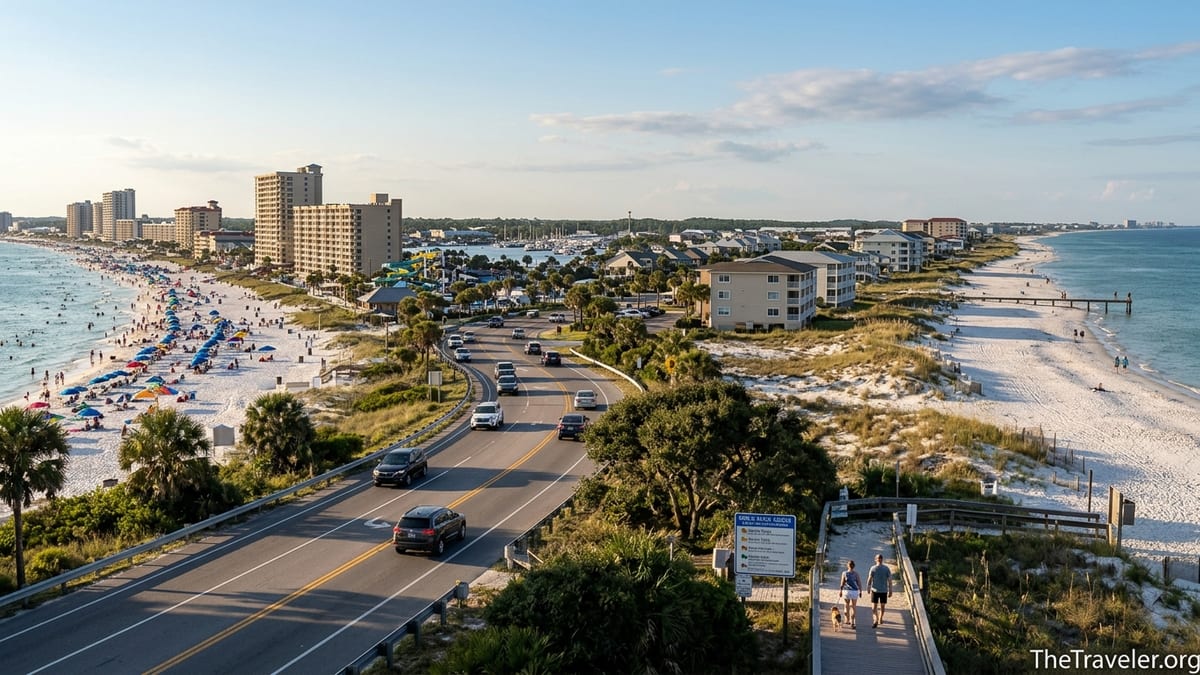
How to Think About Picking a Panhandle Home Base
Before comparing individual towns, it helps to be clear about the tradeoffs that really matter. The Florida Panhandle ranges from resort-heavy strips with neon and attractions to quiet coastal villages where the main evening activity is a sunset walk. A place that is perfect for a family with young kids may feel too busy for couples seeking quiet, while a secluded dune-backed cottage might frustrate teens who want arcades and water parks.
Ask yourself a few concrete questions. Do you want to park the car and walk to meals, or are you comfortable driving for dinner and groceries? Is nightlife important, or would you rather have dark, quiet streets after 10 p.m.? Are you willing to pay a premium for newer condos and master-planned villages, or do you prefer older low-rise motels and simpler beach houses at lower prices? Finally, consider whether you need dog access to beaches or parks, because regulations vary sharply by county and are enforced.
Across the coast, conditions on the Gulf of Mexico change daily. Some stretches are often calmer, such as bayside areas shielded from open surf, while others face the full Gulf and can see stronger waves or rip currents. Beach flag systems operated by local governments give the most current safety picture. Even if a town is described as typically calm or family friendly, always follow the day’s flag warnings rather than relying on reputation.
The towns below are grouped from west to east, from Pensacola Beach near the Alabama line through the busier Emerald Coast to quieter “Forgotten Coast” communities such as Mexico Beach and Port St. Joe. For each, you will find an overview of character, lodging stock, walkability, dining and entertainment, and a general sense of price and who tends to be happiest there.
Pensacola Beach and Perdido Key: Laid-Back Gateway to the Panhandle
Pensacola Beach feels like a classic beach town anchored by a central boardwalk and long strips of condos and low-rise hotels along Santa Rosa Island. Parts of the island are developed, but it is bookended by miles of protected shoreline within Gulf Islands National Seashore, which keeps the overall feel more natural than some Emerald Coast hubs. Lodging leans toward midrise condo buildings and branded hotels, with single-family rentals and townhomes on quieter residential streets.
This area works well for families because you can choose between the calm, bayside water near the Pensacola Beach Boardwalk and the Gulf side that faces open surf. Stroller-friendly promenades and nearby historic forts within the national seashore add kid-friendly variety without needing theme-park levels of stimulation. The town has a concentrated cluster of restaurants, casual bars, and live music spots, although it does not feel as spring-break-oriented as some destinations except during peak March periods when alcohol and late-night rules tighten.
Perdido Key, a short drive southwest, is noticeably quieter. It is a narrow barrier island with significant stretches of protected dunes, fewer commercial centers, and more low- and midrise condos and beach houses than large resort complexes. Dining and entertainment are scattered, so visitors typically drive to restaurants, but in exchange they get less traffic and lower density on the sand compared with bigger hubs. This suits couples and repeat visitors who prioritize peaceful mornings and natural scenery over entertainment districts.
Both Pensacola Beach and Perdido Key are within an easy drive of Pensacola International Airport. Travelers who want a relaxed, slightly old-school beach town with options for both calm bay beaches and waveier Gulf surf often choose Pensacola Beach as a base, while Perdido Key appeals to those who value a slower pace and do not mind driving for dining variety.
Navarre Beach and Fort Walton Beach: Quieter Value Near the Action
Navarre Beach often attracts travelers who find Destin appealing but a bit too crowded. It sits between Pensacola Beach and Okaloosa Island, with long residential stretches, fewer high-rise towers, and a reputation for being quieter, especially in the evenings. Lodging is a mix of midrise condos, a few modest hotels, and beach houses along the sound and Gulf. Dining options exist but are limited to a small cluster of waterfront restaurants and casual spots, so it is common to drive into Gulf Breeze or Pensacola for broader choices.
Families who want a low-key atmosphere, wide beaches, and relatively easy parking often choose Navarre as a base, then day-trip to busier spots. The beaches typically feel open and uncrowded outside of holiday weekends. Navarre is reachable from both Pensacola and Destin–Fort Walton Beach airports, though you should plan on driving for most activities beyond the beach itself, since walkability is modest outside the immediate pier and park area.
Fort Walton Beach and Okaloosa Island sit between Navarre and Destin and can be a sweet spot for budget-conscious groups. Okaloosa Island offers spacious beaches lined with mainly midrise condo buildings and a few hotels. Across the bridge in Fort Walton Beach, you find more traditional motels, vacation rentals, and residential neighborhoods at generally lower price points than Destin proper, but you are still close to the same airports, shopping centers, and attractions.
Walkability is moderate around the Okaloosa Island boardwalk and beachfront parks, where you can access restaurants, a fishing pier, and family attractions on foot. Beyond that core, most visitors rely on cars. Nightlife is present but at a lower key than Destin, with a focus on beach bars and casual live music. This area tends to appeal to families and groups who want good beach space and convenient access to regional attractions while keeping lodging costs somewhat down compared with marquee towns.
Destin and Miramar Beach: Busy Emerald Coast Resort Corridor
Destin is one of the Panhandle’s most recognized names for a reason. Its harbor, charter fishing fleet, and broad range of family attractions have created a busy resort environment, especially in summer and school breaks. The main beachfront corridor along Scenic Highway 98 and adjacent neighborhoods is lined with high-rise condos, resort complexes, and some older motels, generally in the midrange to upper-midrange price tiers. Expect traffic on main roads and crowded popular spots in peak seasons.
For families who want lots of activity, Destin delivers. You will find water parks, go-kart tracks, mini golf, a large harbor entertainment district, boat excursions to places like Crab Island, and big-box shopping within short drives. The tradeoff is that the town is car-oriented. Certain areas, such as the harbor district and specific resort villages, are walkable on their own, but most visitors drive between beaches, restaurants, and attractions. Nightlife is livelier than in smaller towns, with bars and waterfront venues staying active into the evening, especially in summer.
Miramar Beach, to the east of central Destin, blends large resort developments, golf communities, and shopping districts with stretches of public beachfront. Lodging here ranges from high-rise condo towers and resort hotels to gated neighborhoods of vacation homes. The Sandestin area and nearby villages offer a semi-self-contained environment, with internal shuttles, marinas, and village-style centers featuring restaurants, boutiques, and seasonal events.
Miramar Beach can feel slightly less frenetic than Destin’s harbor, but it is still firmly within the resort corridor. It suits travelers who want easy access to amenities like outlet shopping and planned resort activities, and who prefer newer, master-planned environments. Both Destin and Miramar Beach are close to Destin–Fort Walton Beach Airport and within a feasible distance of Northwest Florida Beaches International Airport near Panama City Beach, which makes them convenient for fly-in visitors.
30A Communities: Seaside, Seagrove, Grayton, Rosemary and Beyond
The stretch of Scenic Highway 30A in Walton County has become famous for its master-planned beach towns and upscale beach villages. Places like Seaside, WaterColor, Seagrove, Grayton Beach, and Rosemary Beach share the same white sand and emerald water but differ in layout and feel. Overall, 30A skews more upscale, with a heavy emphasis on vacation rentals, design-forward architecture, and walkable village centers anchored by plazas and greens.
Lodging is dominated by cottage-style rentals, townhomes, and luxury homes, with a smaller number of boutique inns and resort-style properties. High-rise towers are rare here. The most popular villages are very walkable within their cores, especially Seaside and Rosemary Beach, where you can reach restaurants, markets, and the beach on foot or by bike. However, parking is limited, and county officials actively enforce parking and beach access rules along 30A. Recent county reports emphasize proactive parking enforcement in beach access lots and along main corridors, and several key beach access lots now operate paid parking in busier months.
Beach access is more complex on 30A than in many other Panhandle areas because stretches of sand are bordered by private communities and homeowner associations. Public regional accesses provide boardwalks, restrooms, and parking, but you cannot assume that any path or boardwalk you see is open to the public. Visitors need to research which public accesses are nearest to their rental and understand that overnight parking is generally prohibited at public beach lots. In some Gulf-front neighborhoods, the dry sand in front of private homes is reserved to owners or guests, while the wet sand near the water remains accessible, which can be confusing for first-time visitors.
These nuances make it important for writers and travelers to cross-check the latest maps and rules from Walton County and individual towns when describing 30A. New trams and shuttle services now help move visitors between lots and beaches, and regulations about tents, chairs, and commercial services continue to evolve. For couples or families who dream of walking or biking between pastel cottages, cafes, and picture-perfect dune walkovers, 30A can be ideal, but they should be prepared for premium pricing on rentals, limited public parking, and the need to follow detailed local rules on where they can set up for the day.
Panama City Beach: High-Energy Strip With Broad Options
Panama City Beach, often shortened to PCB, offers a long beachfront lined with condo towers, hotels, and entertainment venues. After a reputation for rowdy college spring breaks in past decades, local authorities have adopted strict seasonal rules, including alcohol restrictions on the sand during peak March periods and increased enforcement of noise and crowd regulations. Outside those weeks, PCB presents as a broad-appeal resort strip with a mix of families, couples, and groups.
Lodging here covers the full spectrum: older roadside motels, large midrange and upper-midrange condo resorts, and newer hotels near shopping hubs such as the main outdoor retail and entertainment complexes. This variety makes PCB accessible to many budgets, from value-focused stays a few blocks off the beach to higher-priced Gulf-front condos with extensive amenities. The beach itself is wide, with numerous public accesses and several large public parking areas designated by the city and county.
Walkability depends on where you stay. Around the main piers and shopping districts, you can park once and walk between the beach, restaurants, and attractions like amusement rides or arcades. Farther east and west, the highway layout encourages driving, though sidewalks parallel much of the beachfront road. Nightlife options include bars with live music, clubs, and late-opening restaurants, but the atmosphere tends to be more relaxed outside of spring peak.
For families, PCB offers an array of kid-focused attractions, from mini golf and arcades to small amusement parks and water-based tours. The beach can see lively crowds, especially near the main piers, so those seeking calmer experiences can look toward residential stretches on the west end or plan beach time in the morning and evening. Visitors with dogs should be aware that Bay County limits dogs on most beach segments, designating specific dog-friendly areas near certain piers, and that rules and enforcement are updated by local ordinances.
Mexico Beach and Port St. Joe: Quieter Forgotten Coast Options
Continuing east, Mexico Beach and Port St. Joe mark the transition to what many call the Forgotten Coast, a less developed, slower-paced section of the Panhandle. Mexico Beach was heavily damaged by a major hurricane in 2018 and has been steadily rebuilding. The beachfront now combines newly constructed homes and small lodgings with remaining low-rise properties. The absence of high-rise towers and the relatively small commercial strip mean the town still feels peaceful, with a focus on fishing, boating, and simple beach days.
Port St. Joe, slightly inland on St. Joseph Bay, serves as a practical base for exploring nearby beaches such as Cape San Blas. Lodging here leans toward small hotels, vacation rentals, and cottages both in town and along the cape. Dining is concentrated in a compact downtown and at scattered waterfront spots. Nightlife is very low-key, often limited to restaurants and a few bars that close earlier than in larger resort towns.
These towns suit travelers who prioritize natural beauty, fishing, and uncrowded beaches over entertainment districts. Families with children who are content with shelling, paddleboarding, and state park visits often find the pace ideal, but teens looking for arcades and attractions may feel limited. Surf here is variable, as along the rest of the Panhandle, but many beach sections feel calmer simply because there are fewer people and less commercial activity on the shoreline.
Because this section of coast continues to evolve as rebuilding and new construction progress, writers should be careful not to rely on pre-2018 information. Checking recent tourism updates and local government notices is essential to accurately describe what lodging and services are currently available and how the character of each town is changing.
Family Priorities: Calm Water, Kid-Friendly Attractions and Practical Rules
For families with small children, water conditions and easy logistics often matter more than nightlife or shopping. Bayside areas and protected stretches, such as the sound side of Pensacola Beach or bay-facing shores near Port St. Joe, can offer gentler waves on many days, although conditions still vary with wind and weather. Wide beaches with gradual slopes, lifeguarded areas in season, and clear flag systems make it easier for parents to monitor safety.
On the more built-up Emerald Coast, Destin, Miramar Beach, and Panama City Beach provide abundant kid-friendly attractions, but crowds and traffic can be intense in summer. Families who like activities can use these towns as bases, visiting water parks, harbor villages, and piers, then retreating to their lodging during peak midday heat. Those who prefer calmer, less stimulated children may be happier in Navarre Beach, certain stretches of Okaloosa Island, or 30A communities that keep evening noise levels lower and focus on bike rides and beachfront playgrounds.
Parents should pay close attention to beach regulations that affect typical family gear. Many Panhandle counties now enforce rules that require removal of tents, toys, and chairs from the beach overnight, and some limit the size and placement of shade structures. Rules about digging deep holes and leaving large items overnight are linked to both safety and sea turtle protection. Since these ordinances are adjusted periodically, families and writers should verify current guidelines with county resources each season rather than relying on secondhand summaries.
When describing “calmer” or “family-friendly” beaches, it is important to emphasize that no stretch is always calm or risk-free. Rip currents, sudden storms, and shifting sandbars can create hazards even on normally gentle shorelines. Families should always look for the day’s beach flags and heed local lifeguard advice rather than assuming that a well-known family destination will automatically be safe on any given day.
Dog-Friendly Considerations Across Different Towns
Travelers with dogs need to be particularly careful when choosing a Panhandle base because each county controls pet access to beaches and public parks. In some areas, dogs are prohibited from most sandy beaches, with only one or two designated dog beach sections and separate inland dog parks, while service animals retain broader access under federal law. In others, specific hours, leash requirements, or local permits are required for dogs on the sand.
In and around Destin and Fort Walton Beach, local ordinances in Okaloosa County limit animals on public beaches, so most pet owners rely on inland dog parks, designated pet-friendly green spaces, or rare dog beach segments rather than bringing dogs onto typical swimming beaches. In Panama City Beach and broader Bay County, local rules restrict dogs from most beach sections, concentrating pet access near a designated dog beach close to one of the main piers. These rules are enforced and can change as city commissions revise ordinances.
Along 30A in Walton County, policies for dogs on beaches are more restrictive than many visitors expect, typically involving resident or property-owner permits, time-of-day limitations, and specific access points. As a result, someone renting a home who is not a property owner may not be allowed to bring their dog onto the sand at all, even if the rental listing is pet-friendly. Inland trails, state parks where pets are allowed on leashes in certain areas, and neighborhood paths then become the primary pet exercise options.
Writers creating up-to-date guides should always confirm the latest animal regulations for at least three or four key destinations before describing them as dog friendly. Official county and city resources are the best sources for current rules, as resort websites and rental listings can lag behind policy changes. Pet travelers reading this should plan to double-check requirements a few weeks before arrival, since a change in ordinance can alter where dogs are allowed or introduce new permit or fee structures.
Quick Comparison: Matching Towns to Different Traveler Types
It can be helpful to visualize the main towns side by side. While every neighborhood varies, the following generalizations can guide your short list. Pensacola Beach typically offers a relaxed, family-oriented vibe with moderate nightlife, midrise condos and hotels, decent walkability around the boardwalk, and convenient access to Pensacola’s airport. Perdido Key feels more secluded and relaxed, better for couples or repeat visitors, with low to midrise lodging, limited nightlife, and an expectation of driving to most restaurants.
Navarre Beach and Okaloosa Island appeal to families and budget-conscious groups seeking quieter beaches and midrange condos, willing to drive for extensive dining choices. Destin and Miramar Beach are busy, activity-rich bases with a mix of resort towers and vacation homes, higher traffic, livelier nightlife, and strong connectivity to the Destin–Fort Walton Beach airport. 30A communities tend to be upscale, village-like environments suited to design-conscious couples and families who want walkable neighborhoods and cottage rentals, understand beach access rules, and accept limited parking and higher prices.
Panama City Beach offers a broad spectrum, from value motels to large condo resorts, with a lively vibe in peak seasons and moderate nightlife outside of spring break. It suits families and groups who want attractions and do not mind driving along a long strip. Mexico Beach and Port St. Joe are quiet and more rural-feeling, focused on fishing, boating, and low-key beach time, with lodging stock centered on small hotels, rentals, and rebuilt cottages rather than large resorts. They favor travelers who prioritize serenity and do not need dense dining or entertainment districts.
In rough terms, walkability is strongest in compact centers such as Seaside and Rosemary Beach on 30A, parts of Pensacola Beach, select resort villages in Miramar Beach, and the main districts of Panama City Beach. Nightlife scales from low in Navarre, Perdido Key, and Mexico Beach or Port St. Joe to moderate in Pensacola Beach, Okaloosa Island, and 30A, and to the liveliest levels in Destin, Miramar Beach’s resort villages, and central Panama City Beach. Airports are closest to Pensacola Beach and Perdido Key via Pensacola, to Destin, Miramar Beach, Fort Walton Beach, and Navarre via Destin–Fort Walton Beach Airport, and to Panama City Beach, Mexico Beach, and Port St. Joe via Northwest Florida Beaches International Airport.
Conclusion: Clear Scenarios to Help You Decide
If you want a walkable, family-friendly town with activities and midrange condos, Destin or Panama City Beach provide the broadest range of attractions, with Destin leaning toward harbor excursions and PCB toward pier and strip-style entertainment. For a similar level of convenience with a more curated, village-style feel, look to 30A communities such as Seaside or Rosemary Beach, understanding that prices are generally higher and parking and beach access rules are more complex and strictly enforced.
If you prefer a quiet, more natural base with state parks and fewer crowds, consider Navarre Beach, Perdido Key, or the Mexico Beach and Port St. Joe area, using larger hubs as day trips rather than your main base. These destinations generally suit travelers who are comfortable driving to dining and are content with simpler evenings. For couples who want a balance of dining choice, scenic villages, and bikeable neighborhoods, 30A’s Seagrove, Grayton Beach, and nearby planned towns can be ideal if your budget and expectations align.
Travelers with dogs should build their decision around current pet regulations as much as vibe. Some counties allow only tightly controlled dog beach areas and may require owner status or permits, while others route most pet access to inland parks. Before promising your dog a Gulf-front vacation, verify rules in at least a couple of candidate towns through official county or city sources.
Whichever Panhandle town you choose as a home base, keep in mind that conditions on the ground continue to change. New parking rules, evolving dog policies, rebuilding efforts, and changing visitor patterns can shift a town’s character in just a few seasons. The comparisons in this article are a starting point. For final decisions, combine them with up-to-date county resources and local tourism information so you can arrive with realistic expectations and spend your time enjoying the sand instead of sorting out surprises.