


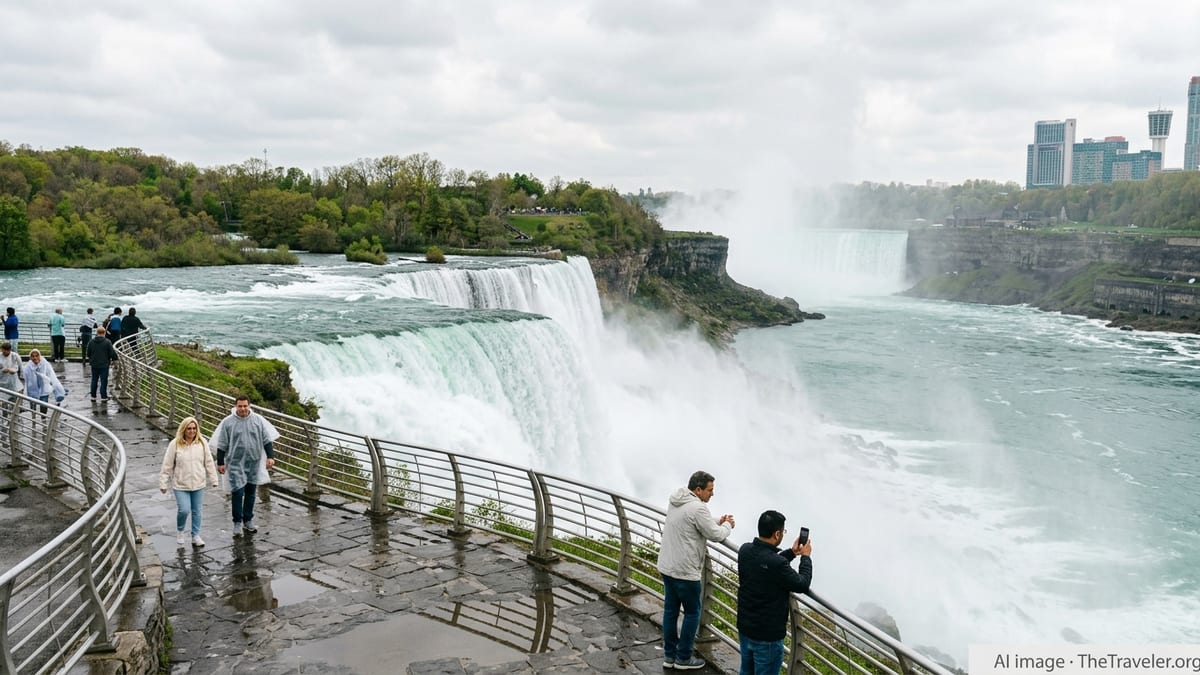
Niagara Falls State Park is one of those rare places that feels different every time you visit. In July, the paths buzz with poncho-clad families lining up for boat rides. In February, the same viewpoints fall quiet, the mist freezing into glittering ice on the railings. Yet in every season, the park offers more than just a quick look at the American, Bridal Veil, and Horseshoe Falls. With careful planning, even a one- or two-day visit can combine classic must-do attractions with quieter trails, nighttime illuminations, and off-season experiences that many visitors miss entirely.
Understanding Niagara Falls State Park in Every Season
Niagara Falls State Park is open 24 hours a day, 365 days a year, and entry to the park itself is free. You only pay for parking and specific attractions such as the Cave of the Winds and the Maid of the Mist boat tour. That structure makes the park an unusually flexible destination. You can spend several days layering paid attractions on top of free viewpoints and walks, or you can keep it simple and focus on the scenery if you are watching your budget.
Seasonality matters more here than at many other state parks. Most visitors associate Niagara Falls with warm-weather boat trips, but winter can be as dramatic as peak summer. In late April or May, boat tours typically resume for the season, and by June nearly all attractions are fully open. In late fall and winter, some operations scale back, but the trails and main viewpoints remain accessible, and the park’s nightly illumination gives you a reason to linger after dark even on the coldest days.
Timing within the day matters as well. Sunrise at Prospect Point is usually far quieter than midday, which helps if you want photographs without crowds or simply a more contemplative experience. On busy summer weekends, locals often suggest arriving before 9 a.m. or after 5 p.m. to avoid the heaviest lines for boat tours and parking. In winter, shorter daylight hours make a flexible plan essential so you can see the falls in daylight, at sunset, and under the colored lights in a single afternoon and evening.
No matter when you visit, begin by checking the current hours and seasonal information for key attractions such as Cave of the Winds, the Observation Tower, and Maid of the Mist. Schedules can shift slightly year to year depending on weather and ice conditions. Having a rough idea of what is operating during your travel dates makes it easier to build a realistic plan instead of arriving with expectations shaped by peak summer brochure photos in mid-March.
Classic Experiences You Should Not Miss
Two experiences define Niagara Falls State Park for most visitors: standing near the base of Bridal Veil Falls at Cave of the Winds, and cruising toward Horseshoe Falls on a Maid of the Mist boat. Together they transform the falls from something you simply look at into something you feel on your skin and hear roaring in your ears. Many travelers who try to rush through the park in two hours regret not building in time for at least one of these.
Cave of the Winds, accessed from Goat Island, involves taking an elevator down into the Niagara Gorge and walking along a series of wooden decks that bring you alarmingly close to Bridal Veil Falls. In peak season, you can step onto the Hurricane Deck, where the wind and spray are intense enough that even the provided yellow poncho and sandals cannot keep you entirely dry. Visitors consistently describe it as the highlight of their trip, but also note that it can be crowded in the middle of summer afternoons. Buying your timed ticket early in the day and aiming for morning or early evening hours helps avoid the longest lines.
Maid of the Mist departs from the base of the Observation Tower near Prospect Point on the American side. After a short elevator ride, you board one of the park’s electric-powered boats, don the iconic blue poncho, and ride past the American and Bridal Veil Falls before entering the swirling mist at the base of Horseshoe Falls. In peak season, boats run frequently, and a typical ride lasts around 20 minutes on the water. Travelers who have done both attractions often say that Cave of the Winds feels more physically intense, while Maid of the Mist offers the bigger wide-angle view of all three falls from below.
If you are short on time, prioritizing one of these two paid experiences plus at least one major overlook offers a satisfying introduction to the park. For instance, a half-day visit might combine a late-morning Maid of the Mist ride with lunch near Prospect Point, followed by a walk across the pedestrian bridge to Goat Island and a final stop at Terrapin Point for views of Horseshoe Falls. Even that simple plan gives you close-up, mid-range, and panoramic perspectives on the falls.
Exploring Goat Island and the Park’s Best Viewpoints
While boat rides headline many itineraries, the most rewarding way to experience Niagara Falls State Park is to spend time walking its paths and exploring Goat Island. This wooded island sits between the American and Horseshoe Falls and gives you multiple angles on the river and rapids without leaving the United States side. It is also accessible year round, which makes it central to any season.
Start near Prospect Point on the mainland side, where you can look straight ahead to the American Falls and slightly right to see Bridal Veil Falls. From here, a pedestrian bridge leads across the river to Goat Island. Even before you reach the island, pause along the bridge to look down at the green water and whitewater rapids rushing toward the drop. In spring, snowmelt can make the river feel particularly powerful, while in winter, chunks of ice sometimes drift past below.
Once on Goat Island, follow the paths to Luna Island, a narrow sliver of land between the American and Bridal Veil Falls. Here, you can lean on the railings and look almost straight down into the plunging water on either side. Many visitors are surprised at how quiet it can feel on Luna Island early in the morning compared with the crowds at the main overlooks later in the day. The proximity to the water and the spray makes this a memorable spot in all seasons, although railings can be slick in freezing conditions.
Continue around Goat Island to Terrapin Point, which offers a broad, open view of Horseshoe Falls and the Canadian skyline across the river. On clear summer evenings, the park’s colored illumination of the falls becomes fully visible from this vantage point, and many travelers choose to return here after dinner for a second look. In winter, Terrapin Point can be windy and cold, but on still nights the combination of steam rising from the gorge and sheets of ice clinging to the rocks can be striking, especially just after sunset when the sky still holds a bit of color.
Year Round Activities Beyond the Big Attractions
It is easy to assume that Niagara Falls is only worth visiting when every attraction is open, but the park offers year round activities that go far beyond the boat rides. The network of paved and unpaved trails on both the mainland and Goat Island can occupy several hours, and many are open in winter, weather permitting. In spring and fall, moderate temperatures make these walks particularly appealing, while in summer they offer a way to step away from the densest crowds near Prospect Point.
One example is the short but scenic walk out to Three Sisters Islands, located off the southwestern side of Goat Island. A small causeway of bridges links three tiny islands that sit just above the brink of Horseshoe Falls. Here, you can watch the river split and surge around boulders and low islands before converging again at the falls. Because most tour buses do not stop here, it tends to be quieter, especially outside peak midday hours. In autumn, the mix of fall foliage and rushing green water makes this area especially photogenic.
Another year round option is a visit to the nearby Aquarium of Niagara, which, while technically outside the state park boundary, is easily reached on foot from the main entrances. Families often pair a morning at the falls with an afternoon at the aquarium during colder months or on rainy days. For those interested in the history of the area, the remains of the Schoellkopf Power Station along the gorge provide a glimpse into the early industrial development that once crowded the riverbanks, a strong contrast with today’s protected parkland.
In addition, the park regularly hosts ranger-led programs and seasonal events such as guided hikes, nature walks, and occasional outdoor activities on Goat Island. These programs tend to be more frequent in the warmer months, but even in winter, you may find short interpretive walks that focus on ice formations, local geology, or the history of the park as the oldest state park in the United States. Checking the events calendar shortly before your trip can help you align your visit with one of these offerings.
Niagara Falls in Winter: Ice, Quiet Trails, and Night Lights
Winter is when Niagara Falls State Park surprises many visitors the most. While the Maid of the Mist boats typically shut down for the coldest months, the park itself remains open, and the falls take on a different character. Mist from the waterfalls freezes onto railings, trees, and lampposts, forming thick layers of ice that make familiar viewpoints look dramatically altered. On particularly cold days, sections of the river surface can appear slushy or partially frozen, though the main flow of the falls continues unhindered.
One of the best winter strategies is to plan a late-afternoon arrival. Start with a walk to Prospect Point and Goat Island while there is still daylight, dress in layers with a windproof outer shell, and bring footwear with good traction for icy patches. While some lower pathways may close due to ice, the main overlooks generally remain accessible. Because there are fewer visitors, you can often stand at normally busy viewpoints such as Terrapin Point or Luna Island with only a handful of other people, making it easier to take in the scale of the cliffs and gorge without distraction.
The park’s nighttime illumination of the falls is a major winter draw. Each evening, the American and Horseshoe Falls are lit in shifting colors. On clear nights, the contrast between the white spray and deep blue, red, or purple light can be especially vivid. During certain periods around late fall and the winter holidays, fireworks displays are added on select evenings, giving visitors a chance to see the illuminated falls and bursts of color in the sky at the same time. Even on non-fireworks nights, locals often bundle up, fill a thermos with hot chocolate, and head out to Goat Island for a short nighttime walk to see the lights from different vantage points.
Winter also tends to be better for budget-conscious travelers. Hotel rates in Niagara Falls, New York, and nearby Buffalo often drop compared with peak summer weekends, and parking at the state park is less competitive. For example, the main parking lots near Prospect Point and Goat Island are open year round, with variable fees during peak times. In the coldest months, you may find more days when you can easily secure a space close to the main gateways without circling for long. If you are flexible with your travel dates and prepared for winter driving conditions, a January or February visit can feel like having parts of the park nearly to yourself.
Summer and Shoulder Seasons: Making the Most of Peak Time
From late spring through early fall, Niagara Falls State Park takes on a festival-like atmosphere. Tour coaches line up near the entrances, families in plastic ponchos stream down toward boat docks, and concession stands do brisk business. This is the best time for travelers who want to experience everything: Maid of the Mist, the full Cave of the Winds decks, late-evening fireworks, and extended opening hours that allow you to build a long, activity-filled day.
To make peak season work in your favor, treat the day like a carefully timed itinerary. For example, arrive at the park close to opening time and head straight to Cave of the Winds on Goat Island for the first available elevator down into the gorge. Lines are often shortest in the first couple of hours of the day. Afterward, walk back across the bridges to Prospect Point and ride the Observation Tower elevator down for a late-morning Maid of the Mist departure. By midday, when the sun is highest and crowds are thickest, you can shift to slower-paced activities such as the trail to Three Sisters Islands, picnicking on Goat Island, or a visit to the aquarium.
Summer evenings are when the park’s atmosphere shifts again. As day visitors head back to hotels or tour buses, the paths around Terrapin Point and Luna Island become calmer. The nightly illumination starts after dusk, gradually brightening as full darkness falls. On many summer nights, fireworks are scheduled at a set time, and you will see people staking out viewpoints along the railings 20 or 30 minutes beforehand. If you are staying within walking distance, this is an ideal time to leave the car parked, stroll back into the park after dinner, and enjoy a cooler, less crowded second round of scenery.
Shoulder seasons, especially late April to early June and mid-September to late October, can be particularly rewarding. During these weeks, many attractions are running, but school schedules and less predictable weather keep crowds from peaking at midsummer levels. You might, for example, find yourself on a Maid of the Mist boat that is busy but not packed or be able to pause at the railings on Luna Island without constantly yielding space to other visitors. Bring a light jacket even on seemingly mild days; the combination of shade, wind off the river, and persistent mist can make temperatures feel cooler than the forecast suggests.
Practical Tips for Parking, Getting Around, and Staying Dry
For most visitors, especially those driving from elsewhere in New York or neighboring states, parking is the first logistical decision. Niagara Falls State Park operates several lots, including a main lot near Prospect Point and additional lots on Goat Island. These are open year round, with fees that vary by season, day of the week, and vehicle type. In general, cars pay a flat fee during fee-collection hours, while certain lots allow RVs or tour buses for higher rates. In off-peak times or during evenings after fee hours, you might find free or reduced-cost parking in some of these lots, which is helpful if you are primarily coming to see the nighttime illumination.
Once parked, plan to explore on foot. The park is compact enough that you can walk between Prospect Point, Goat Island, Luna Island, Terrapin Point, and Three Sisters Islands without driving again. Many travelers underestimate walking times, however, especially when mixing in stops for photos and viewpoints. For example, walking from the main Prospect Point lot, across the pedestrian bridge, and out to Terrapin Point at a relaxed pace can easily take 20 to 30 minutes one way if you stop often. Comfortable walking shoes are far more important here than dressy sandals or heels, especially if you plan to take part in wet attractions.
Staying dry is partly wishful thinking. Even with ponchos provided at Cave of the Winds and Maid of the Mist, it is realistic to expect your clothes, shoes, and hair to get damp. Many repeat visitors recommend bringing a lightweight change of clothes in your car or daypack, plus a small packable towel and a waterproof pouch for phones and cameras. Some travelers choose to wear older sneakers or sport sandals that can handle water for just the boat ride or Cave of the Winds, then switch to dry shoes afterward.
For families and travelers with mobility needs, note that the park includes paved paths, ramps, and elevators at major attractions, but some areas, especially the lower sections of Cave of the Winds, include stairs and wet, uneven surfaces. In peak season, baby strollers and wheelchairs are common throughout the park, but certain decks may not be practical during high-flow periods when spray is strongest. If accessibility is a concern, consider focusing on the numerous upper-level overlooks, the Observation Tower, and the main paths on Goat Island, all of which still provide strong views with less physical demand.
Cross-Border Perspectives and Nearby Experiences
Although this guide focuses on Niagara Falls State Park on the U.S. side, many travelers plan their visit as part of a broader Niagara region trip that includes the Canadian side, Buffalo, or the Lake Ontario shore. The park’s viewpoints face across the river to the Canadian skyline and parks, and at night you can see the illumination and seasonal festival lights across the gorge from many spots along Prospect Point and Goat Island. During certain winter periods, large light displays on the Canadian side create a glittering backdrop visible from U.S. viewing areas, particularly along the riverfront paths.
If you have a passport and sufficient time, crossing the Rainbow Bridge on foot or by car allows you to compare perspectives. The U.S. side, anchored by Niagara Falls State Park, emphasizes natural viewpoints, walking paths, and direct access to the rapids and gorge. The Canadian side, by contrast, concentrates many hotels, restaurants, and attractions in a dense strip along the river. Some travelers choose to stay in the quieter U.S. side hotels and spend a day or evening on the Canadian side, while others do the reverse and treat the state park as a day trip from Canadian accommodations.
Beyond the immediate falls area, nearby experiences on the U.S. side can round out a year round itinerary. In colder months, indoor options such as the Niagara Falls Culinary Institute in downtown Niagara Falls, New York, or museums in Buffalo provide warm breaks between outdoor sessions at the park. In summer, day trips to Lake Ontario or the Niagara Wine Trail region give you a change of scenery without long drives. Many visitors, for example, spend a full day doing Niagara Falls State Park and then add a second day exploring small towns and wineries to the northeast.
If you are traveling with a car and have more than two days in the area, consider pairing Niagara Falls with another New York State Park such as Whirlpool State Park or Devil’s Hole State Park, both a short drive north along the Niagara River. These sites offer quieter hiking trails and viewpoints into the lower gorge, where the river narrows and whitewater rapids churn between steep cliffs. Visiting them after experiencing the main falls helps you understand the river’s full journey from Lake Erie to Lake Ontario.
The Takeaway
Niagara Falls State Park rewards visitors who look beyond a single photo stop at the railings. Whether you arrive in the full heat of July or the icy stillness of January, you can shape a visit that balances headline attractions with quieter walks and nighttime views. Understanding which experiences operate in each season, and planning your day around both natural rhythms and scheduled tours, turns what could be a rushed checklist into a more satisfying immersion in the landscape.
At its core, the park is about proximity: to thundering water at Cave of the Winds, to drifting mist on a Maid of the Mist boat, to the subtle shift in the river’s color as clouds move overhead. Yet it is also a place of smaller moments, such as standing almost alone on Luna Island on a chilly March morning or watching families cheer as fireworks burst above the illuminated curtain of Horseshoe Falls on a summer night. With realistic expectations, weather-appropriate clothing, and a bit of flexibility, you can enjoy those moments year round.
However you structure your itinerary, consider giving the park more time than a hurried two-hour stop. A full day, or even an overnight stay that lets you see the falls at both sunrise and after dark, can transform a famous sight into a lived-in memory. When you leave, you are likely to find that it is not just the image of the falls that stays with you, but the sound of the river, the feel of mist on your face, and the awareness that this landscape changes subtly with every season.
FAQ
Q1. Is Niagara Falls State Park open year round?
Yes. Niagara Falls State Park is open 24 hours a day, every day of the year. Some attractions and services adjust their hours or close seasonally, but you can always access main viewpoints and walking paths.
Q2. When do Maid of the Mist boat tours usually operate?
Maid of the Mist typically operates from spring through late fall, with opening and closing dates that vary by year depending on ice and river conditions. If your visit is in early spring or late fall, plan to confirm current dates and hours shortly before you travel.
Q3. Is Cave of the Winds open in winter?
Cave of the Winds runs in some form year round, with full wooden decks and the Hurricane Deck available in the warmer months. In winter, lower platforms can be reduced or closed for safety, but the elevator experience and certain viewing areas generally remain available.
Q4. Do I need to buy tickets in advance for Cave of the Winds or Maid of the Mist?
For Cave of the Winds, timed tickets can sell out during busy days, so it is wise to secure tickets early in your visit, especially in summer. Maid of the Mist tickets are often available on the day of your visit, but lines may be long at midday, so going early or later in the afternoon helps reduce waiting.
Q5. What should I wear to stay comfortable around the falls?
Plan for cooler, wetter conditions than the forecast suggests. Even in summer, the combination of mist and wind can feel chilly near the water. Wear quick-drying layers, bring a light waterproof jacket, and choose shoes with good traction that you do not mind getting wet.
Q6. Is Niagara Falls State Park suitable for visitors with limited mobility?
Yes. Many viewpoints, including Prospect Point, parts of Goat Island, and the Observation Tower, are accessible via paved paths, ramps, and elevators. Some areas of Cave of the Winds and certain lower trails involve stairs and wet surfaces, so those may not suit all visitors. Planning your route around upper overlooks can still provide excellent views with less physical strain.
Q7. How much time do I need to see the main sights?
A focused half-day can cover one major attraction, such as Maid of the Mist or Cave of the Winds, plus several overlooks. A full day allows you to experience both attractions, walk Goat Island and Three Sisters Islands, and return after dark for illumination or fireworks. An overnight stay lets you see the falls in different lighting and at a more relaxed pace.
Q8. Is winter a good time to visit Niagara Falls State Park?
Winter visits can be rewarding if you are prepared for cold and icy conditions. While boat tours pause for the season and some decks close, you gain quieter paths, striking ice formations, and dramatic nighttime illumination with fewer crowds. Many visitors appreciate the more contemplative atmosphere compared with midsummer.
Q9. Can I see the falls illuminated at night from the U.S. side?
Yes. The nightly illumination of the American and Horseshoe Falls is clearly visible from multiple viewpoints within Niagara Falls State Park, including Prospect Point and several spots on Goat Island. During certain seasons, additional lights and displays on the Canadian side are also visible across the gorge.
Q10. Do I need a passport to enjoy Niagara Falls State Park?
No. You do not need a passport to visit Niagara Falls State Park or to see the falls from the U.S. side. A passport is only required if you plan to cross into Canada via the Rainbow Bridge on foot or by vehicle to experience the Canadian side as well.