


More news on this day
Strong appetite for getaways is running into thinner wallets as the 2026 winter travel season approaches, with fresh data showing many consumers trimming plans, trading down on comfort or skipping trips altogether in response to higher prices and shaky economic sentiment.
Get the latest news straight to your inbox!
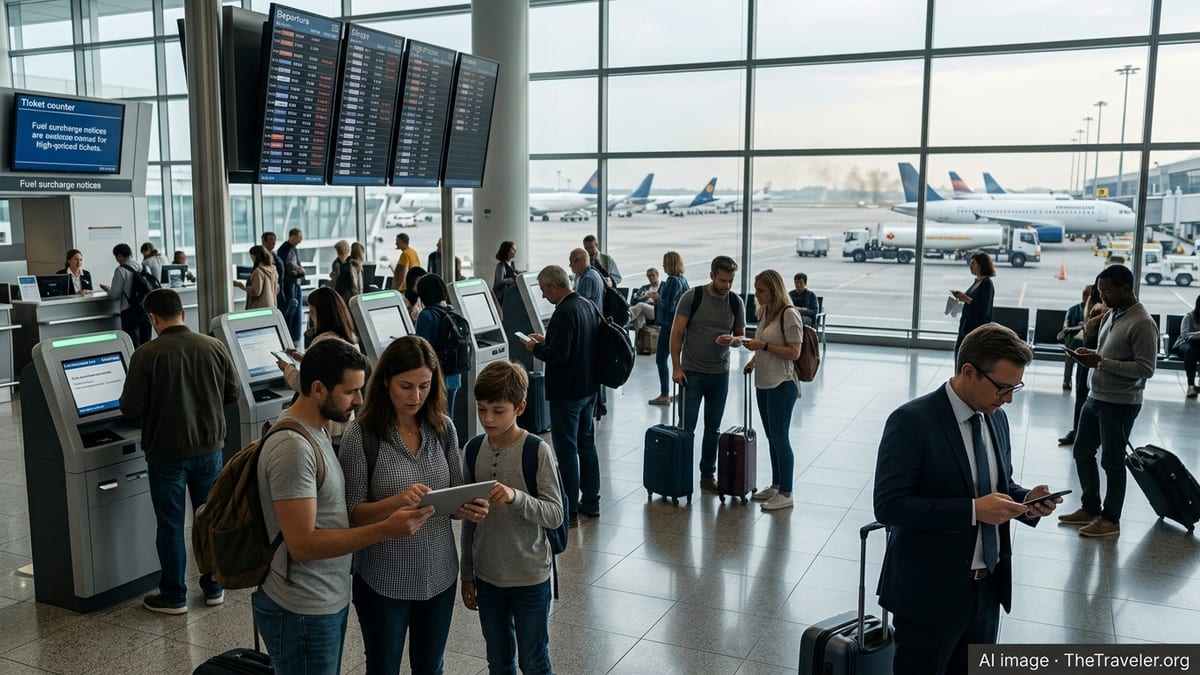
Demand Holds Up, But Wallets Are Tightening
Recent consumer research points to a widening gap between the desire to travel this winter and the money available to fund it. A holiday outlook from a major consultancy in October 2026 found that about 40% of U.S. consumers still plan to travel over the winter holidays, only slightly below last year, yet their expected travel spend has dropped sharply. The study reported a 24% decline in planned per‑person travel outlays for the season compared with 2025, indicating that many travelers are intent on going somewhere but not at any price.
Household financial confidence is also slipping. An October 2026 update from a Caribbean tourism board, drawing on national traveler sentiment surveys, noted that U.S. traveler confidence had fallen for a third consecutive month and that nearly half of surveyed travelers expected a recession within six months. With inflation and interest rates still elevated, travel economists cited in that report forecast slower real consumer spending growth in 2027, a trend that is already pushing lower and middle income households to rethink discretionary outlays such as winter vacations.
Industry outlooks suggest this pressure is creating a more polarized market. Analyses from banks and consulting firms in 2026 describe a so‑called K shaped pattern in travel spending, in which higher income households continue to increase their outlays on flights and lodging while lower income travelers pull back. That pattern is now feeding into winter booking curves, with premium and long haul trips still showing momentum even as budget friendly and last minute options become more crowded.
Airfares and Lodging Costs Squeeze Leisure Travelers
Higher airfares are one of the most visible pain points for winter travelers. U.S. government statistics cited in recent Associated Press coverage show that the average domestic airfare, excluding optional fees, rose from 405 dollars in the final quarter of 2025 to 436 dollars between April and June 2026. Separate business travel forecasts project average ticket prices in global markets continuing to rise into 2026 as fuel, labor and capacity constraints keep pressure on fares.
Across the Atlantic, some European low cost carriers are signaling further increases. A November 2026 report on the European market highlighted comments from a major budget airline executive who anticipated that average fares on parts of the network could rise by as much as 20% next year if jet fuel prices remain high. While exact winter pricing will depend on fuel markets and capacity decisions, this kind of guidance reinforces expectations that cheap last minute flights for peak ski weeks or holiday getaways will be harder to find.
Lodging is adding to the strain. Data shared in an October 2026 tourism performance update for Puerto Rico showed record year to date lodging demand and the highest volume of room nights on record, helping to keep hotel and short term rental rates elevated heading into winter. Broader analyses from card networks and travel platforms depict a similar picture in popular winter destinations, where robust demand in 2025 and early 2026 has allowed many properties to hold rate gains rather than discount heavily for the coming season.
In response, travelers with fixed budgets are changing how they book and where they stay. The October holiday outlook study reported that roughly a third of winter holiday travelers now plan to avoid air travel and drive instead, 38% intend to choose budget or midrange hotels, and 35% expect to stay with friends or family rather than pay for lodging. These adjustments suggest that the squeeze may show up less in headline visitor numbers and more in lower average spending per trip.
Winter Sports Trips Face Uneven Season
Winter sports travel, a key segment for many mountain regions, is facing its own budget and climate related challenges. Analysis from a payments company’s March 2026 ski season report, based on millions of card transactions across major European resorts, found that ski related spending in Europe grew about 22% year over year for the 2025 to 2026 season, outperforming overall card spending. That growth, however, was driven disproportionately by higher spending from international visitors and more premium purchases, even as some travelers cut back on trip frequency.
In North America, research summarized by the travel intelligence firm Phocuswright in late 2026 described a highly uneven 2025 to 2026 ski season. Resorts in the U.S. Northeast reportedly operated more than 90% of their terrain on average, while many Western resorts managed closer to 60%, and visitation tended to follow the snow. The study noted that younger winter sports travelers, particularly in Generation Z, took fewer ski trips in 2025 and early 2026 than in the three years prior, even as older and higher income cohorts maintained or increased their travel.
Price sensitivity is clearly visible in how skiers and snowboarders are planning 2026 trips. A winter sports study released by Visa in January 2026 found strong interest among Americans in winter travel ahead of the 2026 Winter Games in Italy, but also a pronounced tilt toward domestic destinations. Two thirds of surveyed U.S. respondents cited the United States as their top choice for a winter vacation destination, far ahead of Switzerland and Canada, suggesting that flight costs and exchange rate considerations are nudging many travelers to stay closer to home.
For those determined to hit the slopes abroad, comparative cost analyses circulated by travel brands in 2026 point to a widening gap between North American and European ski prices. Looking back at winter 2025, one widely shared summary of ski pricing data indicated that even after including transatlantic flights, week‑long ski trips in parts of Europe often came out 40% to 65% cheaper than similar resort based vacations in the United States. As airfares rise, travelers weighing winter 2026 options may increasingly view Europe as a way to stretch their budget, provided they can secure flights at acceptable prices.
Shorter Stays, Closer Destinations and Off Peak Shifts
Beyond headline prices, the budget squeeze appears to be changing the shape of winter itineraries. A 2026 travel trend report drawing on global survey data found that 87% of travelers are actively looking for ways to reduce costs, with many shifting toward off season travel, shorter trips and more value focused destinations. For winter, that can mean substituting a long haul ski holiday with several shorter regional breaks or choosing a city break in a secondary destination over a marquee resort town.
Advance booking data from online travel agencies and advisory networks indicates strong interest in solo and small group trips, especially among women, with Europe remaining a favored long haul region for North American travelers. At the same time, several winter outlooks note that a higher share of travelers are waiting longer to commit, watching airfares and accommodation prices for last minute drops. This behavior creates additional uncertainty for operators, who must decide whether to hold rates in the hope of late bookings or discount earlier to lock in demand.
Domestic and near shore beach destinations are also benefiting from cost conscious behavior. Tourism analytics for Puerto Rico in late October 2026 reported a 4.5% year over year increase in lodging demand and record levels of room nights, reflecting sustained interest from U.S. travelers seeking warm weather without long haul flights. Similar patterns are being observed in parts of southern Europe and North Africa, where relatively short flight times from major European cities make winter sun trips attractive alternatives to more distant escapes.
At the margins, some travelers are opting out entirely. The October holiday outlook survey highlighted a sizeable group of undecided consumers, around 17%, who had not yet determined whether they would travel over the winter holidays. With budgets under strain, these households may choose to forgo nonessential travel if prices do not ease, reducing last minute demand that many destinations and airlines typically rely on to fill remaining capacity.
Technology and Promotions Offer Limited Relief
Despite the financial headwinds, technology is helping some travelers manage the squeeze. Both the Visa winter sports study and the PwC holiday outlook found that a majority of consumers now expect to use artificial intelligence tools at some point in the booking process for the 2026 winter season. Common uses include tracking fluctuations in hotel and flight prices, searching for alternative routes or dates, and assembling lower cost itineraries that might otherwise be difficult to piece together.
Travel platforms report that interest spikes around major promotional periods such as Black Friday, Cyber Monday and so called Travel Tuesday, when airlines and hotels roll out targeted discounts. Expedia Group, for example, noted in early 2026 that travel searches in North America jumped by double digit percentages during the week of Black Friday 2025 as consumers used deals to lock in 2026 trips. Similar patterns are expected this year, with budget conscious travelers timing their winter bookings to coincide with sales rather than booking purely on preferred dates.
However, analysts caution that promotions can only go so far in offsetting structurally higher costs. Studies of corporate and leisure travel budgets in 2026 show that airfares and hotel rates now account for a larger share of overall travel spending than before the pandemic, and many suppliers are under pressure from fuel, labor and financing costs that limit their ability to cut prices substantially. As a result, discounts may be more targeted and capacity more carefully managed, favoring those who are flexible with dates and destinations over travelers tied to school holidays or fixed vacation windows.
Heading into the core of the 2026 to 2027 winter season, publicly available data suggests that the travel industry remains resilient but exposed. Demand is still present, particularly among higher income households and committed winter sports enthusiasts, yet a growing portion of travelers appear poised to scale back, shop harder for deals or stay home if prices do not align with tighter budgets. How airlines, hotels and destinations respond over the coming weeks will help determine whether the season feels brisk or more subdued for both travelers and the industry that serves them.