


More news on this day
Lingering thunderstorms and unstable weather along the East Coast continue to disrupt operations at Buffalo Niagara International Airport on Wednesday, with delays and scattered cancellations affecting flights tied to major hubs from New York City to Boston.
Get the latest news straight to your inbox!
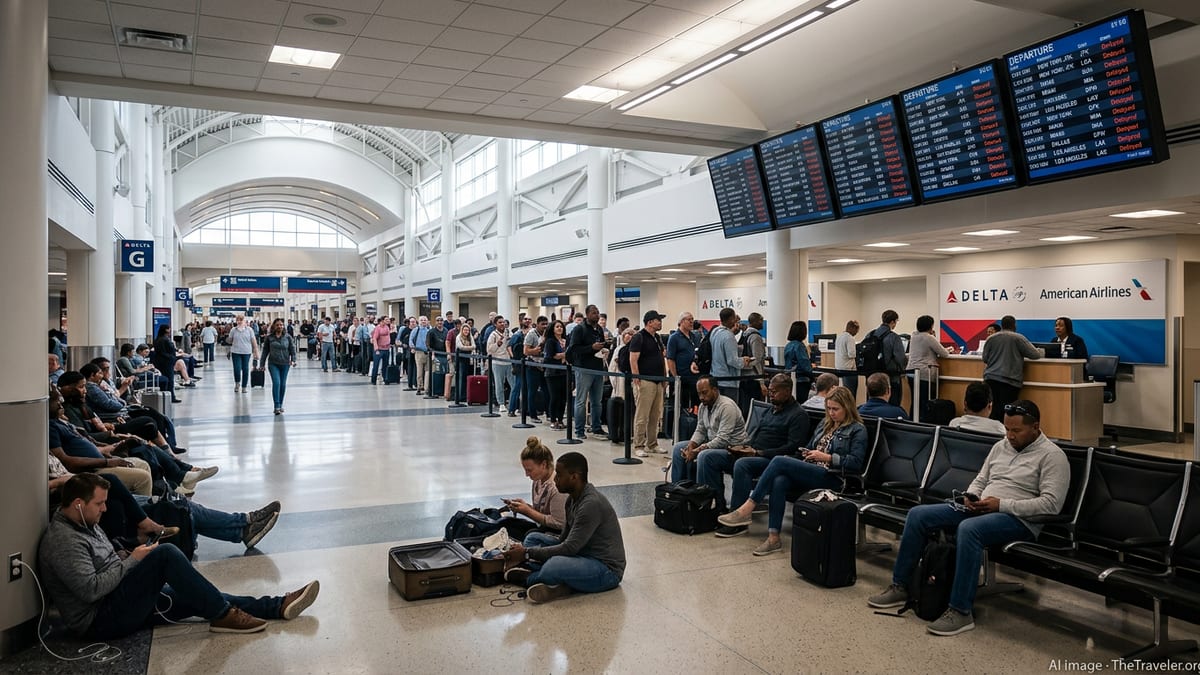
Ripple effects from East Coast storms reach Buffalo
Publicly available flight-tracking data on Wednesday indicate that delays at Buffalo Niagara International Airport are concentrated on routes that connect through major East Coast hubs, including New York, Boston and Philadelphia. While skies over western New York have remained relatively stable, storms and low visibility along the corridor from Washington to New England are limiting the number of arrivals and departures those large airports can safely handle.
Air traffic management advisories show that traffic into some East Coast hubs has been periodically slowed by thunderstorms, prompting ground delay programs and schedule reductions. When those hubs reduce their capacity, flights from secondary airports such as Buffalo are forced into holding patterns on the ground or in the air, or are rescheduled to later time slots.
Individual flight records for services between Buffalo and major East Coast cities on Tuesday and Wednesday show departure pushes late into the evening and, in some cases, into the early hours of the following day. Several flights that were scheduled to depart Buffalo on Tuesday night only left after midnight, illustrating how disruptions elsewhere can cascade into the overnight hours for passengers in western New York.
Travelers connecting through New York and New England report a mix of rolling delays and last-minute cancellations linked to the same weather system. These disruptions have left some passengers seeking hotel rooms or rebooking for later in the week as airlines work to reposition aircraft and crews.
Conditions in Buffalo contrast with problems at coastal hubs
Weather observations for the Buffalo area on Tuesday and early Wednesday point to relatively benign local conditions, with warm temperatures and intermittent cloud cover at the airport. Forecasts for the region show typical midsummer patterns rather than severe storms, underscoring that the primary issues for travelers are occurring downline at destination and connection airports.
By contrast, meteorological data and airline operations updates for several major East Coast airports highlight periods of heavy rain, thunderstorms and reduced visibility, particularly around the New York metropolitan area and parts of New England. These conditions can trigger traffic flow restrictions that sharply reduce runway throughput for arrivals and departures.
Buffalo Niagara’s role as a feeder to New York City, Boston and mid-Atlantic hubs means schedules are particularly sensitive to these constraints. When a hub reduces its arrival rate, system tools used by air traffic managers assign new, later departure times to inbound flights from cities like Buffalo, which then show up as long ground delays at the origin even if the weather there is clear.
Experts who study air traffic patterns note that such constraints in one region can quickly propagate across the network. When aircraft and crews are held up on the East Coast, subsequent rotations out of cities like Buffalo often depart late or are cancelled altogether, prolonging the disruption even after local storms begin to ease.
Passengers face longer travel days and tight connections
The operational challenges have translated into longer and less predictable travel days for many passengers using Buffalo Niagara International Airport this week. Reports from travelers departing Buffalo describe flights that initially appeared on time before being assigned new departure slots, sometimes several hours later, as East Coast hubs adjusted their arrival plans.
For passengers with connections, the lingering delays have created particular difficulties. Missed onward flights at congested hubs can be hard to rebook on the same day when airlines are already operating near capacity during the busy summer travel season. Some travelers have described being automatically moved to flights a day or more later, or rerouted through alternate airports far from their original plans.
The pattern is consistent with broader research on how extreme or persistent weather affects air transportation systems. Studies of past events show that once a critical mass of flights is delayed or cancelled across a region, the knock-on effects can persist for days, even after skies clear, as airlines work through backlogs and reposition aircraft and crews.
At Buffalo, that has meant some flights leaving with long delays, others operating close to schedule, and a small but noticeable share cancelled outright. For passengers monitoring the departure boards, the result is a patchwork of outcomes that can change quickly as conditions evolve along the East Coast.
Advice for travelers flying through Buffalo during disruptions
Travel analysts note that when East Coast weather becomes unstable, secondary airports like Buffalo are often swept up in the wider disruption even if local conditions remain calm. As a result, passengers flying in or out of Buffalo Niagara International Airport over the next day or two may want to plan for additional flexibility.
Consumer travel guidance commonly recommends that passengers check their flight status frequently on the day of departure, arrive at the airport with extra time and, when possible, book nonstop routes rather than tight connections through weather-prone hubs. Morning departures are often less exposed to the full buildup of delays that can accumulate over the course of a stormy afternoon and evening.
Travelers with urgent commitments at their destinations may also wish to have contingency plans in place, such as identifying alternate flights or being prepared to stay overnight if connections are missed. Given the tendency for weather-related disruptions to ripple through schedules for several days, those flying later in the week can still feel the effects of storms that passed through earlier.
For western New York residents, the current situation is a reminder that Buffalo Niagara International Airport is tightly integrated into the broader East Coast aviation network. Even on days when local skies appear calm, conditions hundreds of miles away can still leave departure boards crowded with delayed flights and travelers waiting for their journeys to resume.