


More news on this day
Canada has quietly updated its official travel advice for trips to the United States, highlighting tougher U.S. border entry rules, wider search powers and new registration expectations that could reshape how Canadians and other visitors plan cross-border travel.
Get the latest news straight to your inbox!
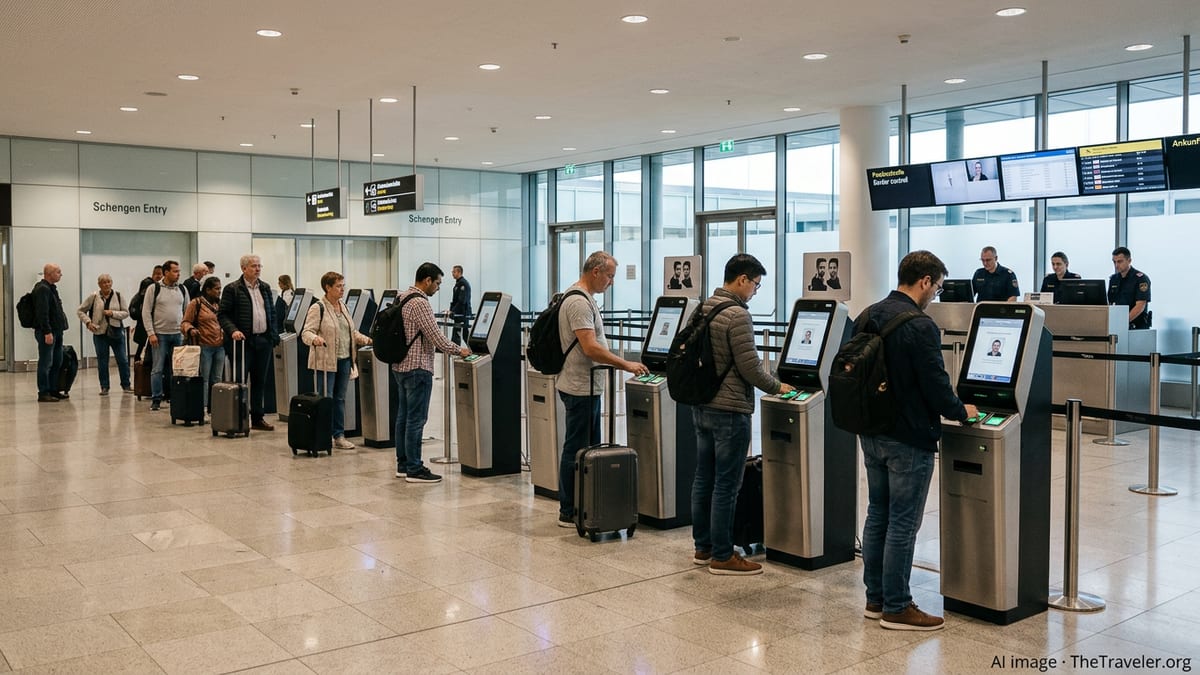
Advisory Highlights Stricter U.S. Entry Enforcement
Recent updates to Canada’s U.S. travel advisory draw attention to what public guidance describes as rigorously enforced entry rules at American border crossings. The changes do not alter Canada’s overall risk rating for the United States, which remains at the lowest “take normal security precautions” level, but they underline that travelers can no longer assume a relatively informal process at land or air ports of entry.
According to publicly available information, U.S. border officers now apply a more expansive interpretation of admissibility, paying closer attention to prior immigration history, overstays and perceived intent to work or study without the correct authorization. Travelers are reminded that a valid passport, visa or preclearance approval does not guarantee admission, and that entry decisions rest on assessments made at the border.
The advisory points out that travelers may be refused entry or face delays if documents are incomplete or if stated plans do not match supporting evidence, such as return tickets, proof of employment at home or confirmation of accommodation. Guidance suggests that visitors be prepared to explain the purpose and duration of their stay, produce evidence of sufficient funds and demonstrate ties to their home country.
Public guidance further notes that Canadians and other foreign nationals visiting the United States for longer stays may be subject to additional registration and tracking requirements, including verification through electronic arrival and departure records. Travelers are encouraged to monitor any new registration rules that could apply to extended business trips, seasonal work or long-term tourism.
Greater Focus on Electronic Device Searches and Data
The updated advisory places new emphasis on the power of U.S. border officers to inspect electronic devices. Published coverage of recent changes indicates that phones, laptops and tablets can be examined and, in some cases, retained without a judicial warrant at ports of entry and preclearance facilities.
Canada’s guidance stresses that travelers “should expect scrutiny” of digital information, ranging from social media and messaging history to stored documents. Publicly available explanations of U.S. policy indicate that refusal to unlock a device or provide passwords can result in denial of entry for non-citizens, even if no criminal charges are laid.
Privacy advocates have flagged potential risks for journalists, lawyers, activists and travelers carrying sensitive commercial or personal information. In response, travel experts quoted in recent media reports recommend backing up devices before travel, minimizing the sensitive data carried across the border and enabling strong security measures such as full-disk encryption.
The advisory stops short of instructing travelers to avoid carrying devices, but it clearly reframes them as items that may be inspected and, in some scenarios, copied. This marks a shift from earlier public messaging that focused primarily on luggage and paper documentation rather than digital records.
Heightened Concerns for Transgender and Nonbinary Travelers
One of the most notable elements in the updated travel advice is a more explicit warning aimed at transgender and nonbinary travelers. Reports on the advisory note that recent U.S. policy changes emphasize binary gender markers and expand discretion for border officers to question identity documents that do not align with their expectations.
Publicly available commentary on the advisory highlights concerns that travelers with gender-neutral passports or documents showing recent gender marker changes may face additional questioning, secondary inspections or, in rare cases, refusal of entry. Advocacy organizations have stated that this increased discretion could translate into inconsistent treatment at different border crossings.
Canadian guidance now encourages travelers whose gender identity or expression may not match older documentation to carry the most up-to-date passports, visas and supporting records available. It also suggests building in extra time for border processing and being prepared to answer questions about identity in a calm and factual way.
Travel analysts observing the change say the advisory reflects a broader global trend in which minority and marginalized communities are increasingly being singled out for special caution in cross-border guidance, particularly where domestic policies on gender and identity are in flux.
What the Advisory Means for Routine Cross-Border Trips
Despite the stronger language, the updated Canadian advisory does not recommend avoiding travel to the United States. Instead, it reframes cross-border trips as journeys that require more preparation, especially for those planning stays beyond short vacations or weekend shopping visits.
For air travelers, publicly available information points to tighter scrutiny of return tickets, onward travel plans and evidence of financial means. Airlines can face penalties if passengers are turned away on arrival, which has led to more stringent document checks at check-in counters and boarding gates. Travelers are advised to verify that their passports remain valid well beyond the planned return date and to ensure that any required U.S. visas or waivers are approved before departure.
At land borders, the advisory underscores that increased questioning is possible even for frequent crossers. Drivers may be asked detailed questions about employment, property ownership, criminal history and previous visits. Those engaged in cross-border work, such as truck drivers or contractors, are reminded to carry appropriate employment documentation and to ensure that their activities match the conditions of any visas or exemptions.
Travel experts say that while many trips will continue without incident, the margin for error has narrowed. Mismatched information, incomplete paperwork or casual references to work or study can have serious consequences in a setting where officers are expected to enforce rules strictly and record decisions in shared databases.
Preparing for Travel Under Tighter Rules
Canada’s revised advisory frames preparation as the best defense against problems at the U.S. border. Public guidance suggests that travelers should review current entry and exit requirements shortly before departure, as policies can change with little notice in response to security concerns, health issues or political decisions.
Basic steps now recommended in travel commentary include carrying printed copies of bookings and employment letters, ensuring that medication is labeled and accompanied by prescriptions, and checking that minor children traveling with one parent or a guardian have consent letters and custody documents if applicable. For dual citizens and permanent residents of the United States, guidance stresses traveling with the correct passport or status document to avoid confusion at the border.
Advisory language also encourages travelers to consider registering trips, particularly for longer stays, so that updated information and emergency alerts can be shared more easily. Registration does not alter entry rules but can help travelers stay informed about changes while they are abroad.
Overall, the new wording signals that the era of largely informal North American border crossings has given way to a system where preparation, documentation and awareness of one’s digital footprint play a central role. For many travelers, especially those in vulnerable groups or planning extended visits, the updated advisory is a clear signal to take U.S. entry rules more seriously than in the past.