


More news on this day
Passengers on an American Airlines flight out of St. Croix say they were left waiting for nearly two days after a Boeing 737 aircraft developed an air-conditioning fault on the ground, stranding travelers on the Caribbean island and intensifying scrutiny of how major carriers handle extended disruptions.
Get the latest news straight to your inbox!
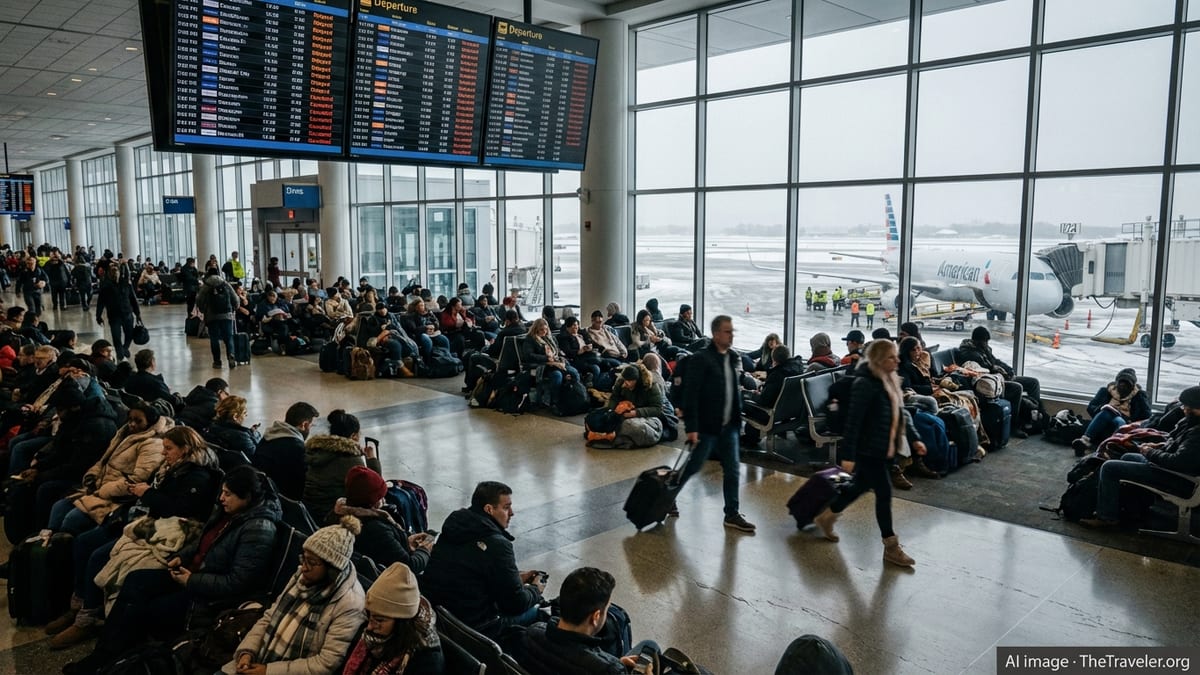
Grounded Jet in St. Croix Sparks Passenger Outcry
Reports from travel forums and social media indicate that an American Airlines aircraft operating between Miami and St. Croix was taken out of service after multiple problems with its air-conditioning system, leaving the jet parked at Henry E. Rohlsen Airport for roughly 48 hours. Passengers booked on the affected service described a rolling series of delays, cancellations and rebookings as the carrier tried to resolve the technical issue and secure a replacement aircraft.
According to publicly available flight-tracking data, American Airlines operates Boeing 737-800 services on the Miami to St. Croix route, with a relatively limited schedule compared with mainland hubs. When the aircraft assigned to the route remained grounded, options for moving disrupted travelers off the island were constrained, contributing to the perception among passengers that they had been stranded.
Accounts shared online describe families, leisure travelers and returning residents suddenly facing unexpected hotel bills, meals and missed onward connections. Some passengers characterized the experience as being “stuck” on the island with little clarity on when a functioning aircraft would become available.
Technical Issue Highlights Strain on Island Operations
The incident underscores how a single technical fault can ripple through air service to smaller Caribbean destinations. With St. Croix relying on a limited number of daily departures and arrivals, the loss of one narrow-body aircraft can significantly reduce capacity, especially in peak travel season when most seats are already sold.
Publicly available information about the grounded jet points to failures in the onboard air-conditioning system, a problem that can render an aircraft unfit to operate in hot and humid conditions. Even when the issue does not involve critical flight controls, carriers are required to comply with strict maintenance and safety procedures before dispatching the aircraft, which can prolong time on the ground.
A lack of spare aircraft based in the U.S. Virgin Islands further complicates recovery from such events. Unlike large mainland hubs, where airlines may have additional aircraft and crews on standby, remote leisure destinations often depend on a single daily rotation. When that rotation fails, passengers can face prolonged waits for a substitute aircraft or open seats on other flights.
Confusion Over Passenger Care and Compensation
The St. Croix disruption has also drawn attention to evolving rules around passenger rights in the United States. In 2024, the U.S. Department of Transportation introduced a Passenger Bill of Rights framework outlining when airlines are expected to provide hotel rooms, meals and ground transportation during controllable delays and cancellations, including mechanical issues.
Travelers posting about the St. Croix incident expressed frustration about what they viewed as inconsistent or insufficient assistance, citing difficulty obtaining timely information, hotel vouchers or reimbursement commitments. Some passengers reported paying out of pocket for lodging while awaiting clearer guidance on what costs the airline would ultimately cover.
Consumer advocates have long argued that disruptions caused by maintenance and staffing should fall squarely on carriers, especially when travelers are left without realistic same-day alternatives. The experience in St. Croix is being cited in online discussions as an example of the gap that can exist between high-level policy statements and the on-the-ground reality for stranded passengers.
American Airlines Faces Broader Operational Scrutiny
The St. Croix episode arrives amid wider public attention on American Airlines’ operational resilience. In recent weeks, travelers have shared multiple accounts of long delays, diversions and system outages affecting the carrier’s network, contributing to a perception of strain across schedules heading into the height of the summer travel period.
Recent coverage of high-profile mechanical incidents, including diversions and extended delays on other American Airlines routes, has amplified questions about aircraft reliability, staffing and the airline’s ability to recover from disruptions. While technical issues are a reality across the industry, critics argue that passengers are increasingly bearing the cost in the form of missed events, additional expenses and multi-day interruptions.
Industry analysts note that operating a sprawling domestic and international network with older narrow-body fleets can increase the risk of cascading problems when one aircraft is removed from service. For travelers in outlying destinations such as St. Croix, the impact of those decisions can be especially acute, as alternatives on other carriers are limited and often fully booked.
Calls Grow for Clearer Standards and Faster Recovery
The fallout from the grounded jet in St. Croix is feeding into broader calls for clearer and more enforceable standards around how airlines respond to long disruptions, particularly when passengers are left waiting for more than 24 hours. Advocacy groups argue that mandatory compensation, standardized hotel coverage and automatic rebooking on other carriers would give travelers greater protection.
Publicly available policy summaries show that American Airlines, like most major U.S. carriers, outlines its own accommodation and voucher guidelines, but implementation can vary by airport and circumstance. In remote leisure markets, staff and resources are often stretched, which can make it harder to consistently apply those policies when a major disruption occurs.
For affected passengers, the St. Croix incident has become a cautionary tale about the importance of travel insurance, flexible plans and awareness of carrier obligations. As summer travel continues and airlines operate close to capacity, similar mechanical failures could again test how well major carriers balance operational constraints with the needs of stranded travelers.