


More news on this day
Christchurch Airport has recorded a 22 percent jump in international visitors over the recent summer season, while Auckland Airport continues to hold its position as New Zealand’s busiest gateway, highlighting an accelerating tourism rebound across the country through July 2026.
Get the latest news straight to your inbox!
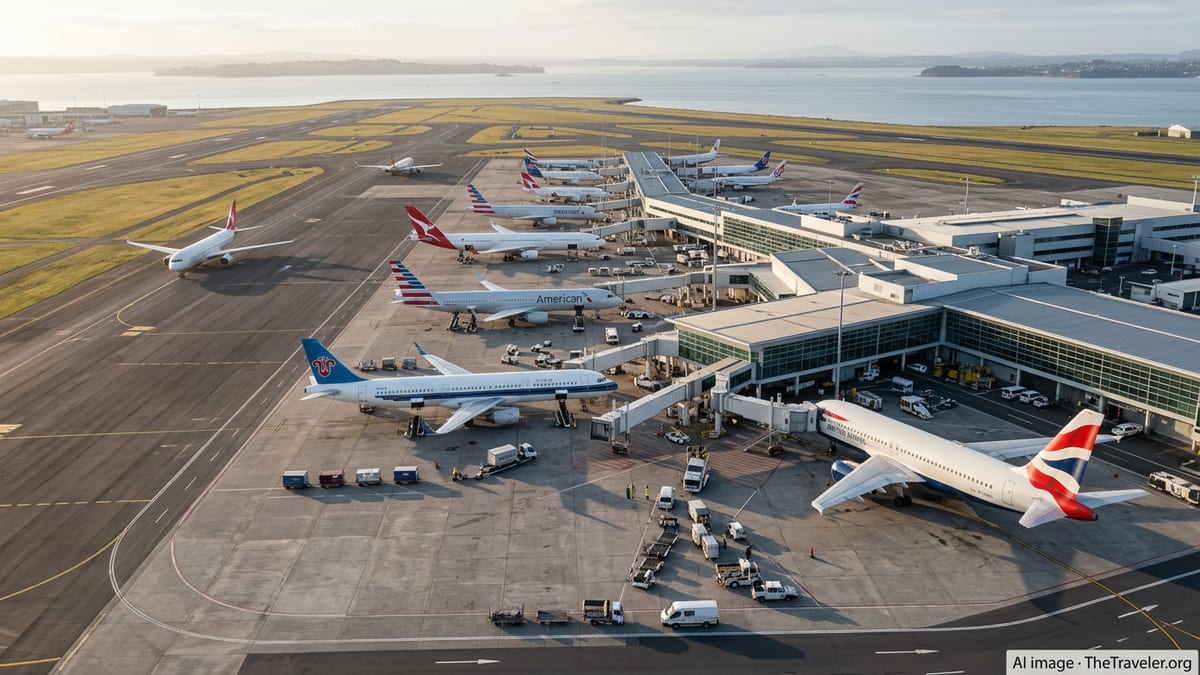
Christchurch’s Standout Summer Drives South Island Momentum
Christchurch Airport’s latest figures point to a standout summer, with international visitor numbers rising 22 percent on the previous season between November 2025 and March 2026. The airport reports that about 3.1 million passengers travelled through its terminals over the five-month peak, including roughly 287,000 international visitors, reinforcing Christchurch’s role as the South Island’s primary international hub.
The uplift reflects both increased airline capacity and renewed demand from core markets. Australia remains the largest source of overseas visitors into Christchurch, followed by China, with traffic from China more than doubling compared with the prior summer. Additional services from Chinese carriers and more flexible visa arrangements for travellers transiting via Australia have been cited in public material as key contributing factors.
Beyond leisure travel, Christchurch’s growing network is also supporting higher-value segments such as inbound tour groups, self-drive itineraries and premium independent travellers exploring the South Island. The growth in passenger flows is mirrored by a rise in airfreight volumes on key Asian and trans-Tasman routes, indicating that the airport’s recovery is tied to both tourism and export sectors.
Christchurch Airport’s own disclosures for the 2025 financial year showed total passenger volumes already trending above earlier forecasts, setting a firm base for the latest summer surge. The 22 percent jump now positions the airport to chase further capacity gains as airlines evaluate performance on existing and new routes.
Auckland Retains Its Position as New Zealand’s Primary Gateway
While Christchurch is enjoying a rapid rebound, Auckland Airport continues to dominate New Zealand’s aviation landscape. Publicly available traffic data shows Auckland handled nearly 19 million passengers in calendar year 2025, split between around 10.4 million international and 8.5 million domestic travellers, making it the country’s busiest airport by a wide margin.
Industry references describe Auckland as New Zealand’s main long-haul gateway, with a broad mix of services to North America, Asia and the Pacific alongside dense trans-Tasman connections. This network depth has helped Auckland retain the top spot for both visitor arrivals and departures into mid-2026, even as regional gateways record faster percentage growth from a smaller base.
Recent capacity announcements point to continued growth through Auckland, including expanded services on US and Asian routes and competitive trans-Tasman frequencies operated by multiple carriers. These developments support ongoing passenger growth into the 2026 winter and spring periods, reinforcing the airport’s role as the principal entry point for international tourism.
Despite Auckland’s scale, the strong performance at Christchurch and other regional airports indicates that growth is increasingly dispersing across the country. For visitors, this creates more options for point-to-point itineraries, while for airlines it opens opportunities to tailor capacity to seasonal and regional demand patterns.
National Visitor Statistics Point to Broad-Based Recovery
The airport trends align with national statistics showing steady gains in international arrivals. Provisional border data from New Zealand’s official statistics agency indicates that more than 200,000 overseas visitors arrived over the four weeks to early July 2026, about 7 percent higher than the comparable period a year earlier. Earlier monthly releases for March and April 2026 also reported year-on-year increases in visitor numbers and spending.
Government releases summarising this data highlight that international visitor arrivals have climbed back to around the mid-90 percent range of pre-pandemic volumes for the year to March 2026. Australia remains the dominant source market, while the United States and China are showing some of the strongest percentage growth, supported by increased capacity and targeted promotion.
Tourism research from economic and policy agencies suggests that total international visitor arrivals reached approximately 3.6 million for the year ending March 2026, compared with about 3.9 million in the equivalent period before the pandemic. Officials have set goals for visitor numbers to meet or slightly exceed 2019 levels by late 2026, indicating that the sector is in the final stages of volume recovery.
Spending indicators are also tracking higher. Recent survey-based estimates suggest international visitors injected several billion dollars into the economy over the 2025 to 2026 summer, with Australia, the United States and China leading total expenditure. Higher daily spend from long-haul markets, particularly China and North America, is helping to lift overall tourism revenue even before full volume recovery is achieved.
South Island Benefits from Rising Air Connectivity
The surge at Christchurch Airport is translating into tangible gains for the wider South Island tourism economy. Publicly available information from the airport attributes hundreds of millions of dollars in seasonal visitor spending to the latest summer period, benefitting accommodation, hospitality, attractions and transport operators across the region.
New and expanded routes are expected to sustain this momentum. Media releases indicate that Solomon Airlines will launch direct services between Christchurch and Port Vila from July 2026, adding a new South Pacific leisure connection for South Island travellers. Additional seasonal services to destinations such as Perth complement an already dense network to major Australian cities.
Tourism operators across Canterbury, Otago and the West Coast are reporting increased interest in multi-centre itineraries that start or end in Christchurch, linking alpine experiences, coastal drives and adventure tourism into single trips. Improved flight options enable visitors to bypass domestic connections through Auckland, shortening travel times and encouraging more direct access to South Island destinations.
At the same time, the balance between domestic and international passengers at Christchurch continues to evolve. The latest publicly available monthly figures for July 2026 show total passenger movements above 520,000 for the month, reflecting solid domestic flows layered on top of a strengthening international component.
Outlook to Late 2026: Capacity, Markets and Sustainability
Looking ahead to the rest of 2026, sector forecasts and government planning documents point to continued growth in both visitor volumes and value. National tourism strategies aim to return international arrivals to at least pre-pandemic levels by 2026 while doubling the value of tourism exports over the next decade, signalling an emphasis on higher-yield travel rather than pure volume growth.
Market mix will be critical. Australia is expected to remain the backbone of inbound traffic, supporting high-frequency trans-Tasman operations through both Auckland and Christchurch. At the same time, rising demand from the United States, China and India is likely to underpin long-haul capacity decisions, especially on routes funnelling traffic through Auckland as the main intercontinental hub.
Christchurch’s 22 percent visitor surge highlights the potential for regional gateways to capture a larger share of this growth. Continued investment in terminal infrastructure, route development and ground transport links will be central to accommodating higher passenger numbers while maintaining service standards and managing community impacts.
For now, the picture to July 2026 is one of broad-based recovery: Auckland Airport maintains its lead as New Zealand’s primary international gateway, Christchurch is accelerating as a high-growth South Island entry point, and the national tourism sector is edging closer to full pre-pandemic strength.