


Just off the coast of Dubrovnik, the Elafiti (Elafiti) Islands offer an easy escape from the city’s crowds: car free villages, sandy bays, pine forests and quiet stone harbors. With frequent ferries and plenty of small boat tours, they are one of the simplest island-hopping trips you can add to a Croatia itinerary. This guide walks you through how to plan 1, 2 and 3 day routes from Dubrovnik, including when to use the public ferries, when to book a boat tour, and how to fit in beaches, kayaking and memorable island meals.
Get the latest updates straight to your inbox!
Understanding the Elafiti Islands and How To Get There
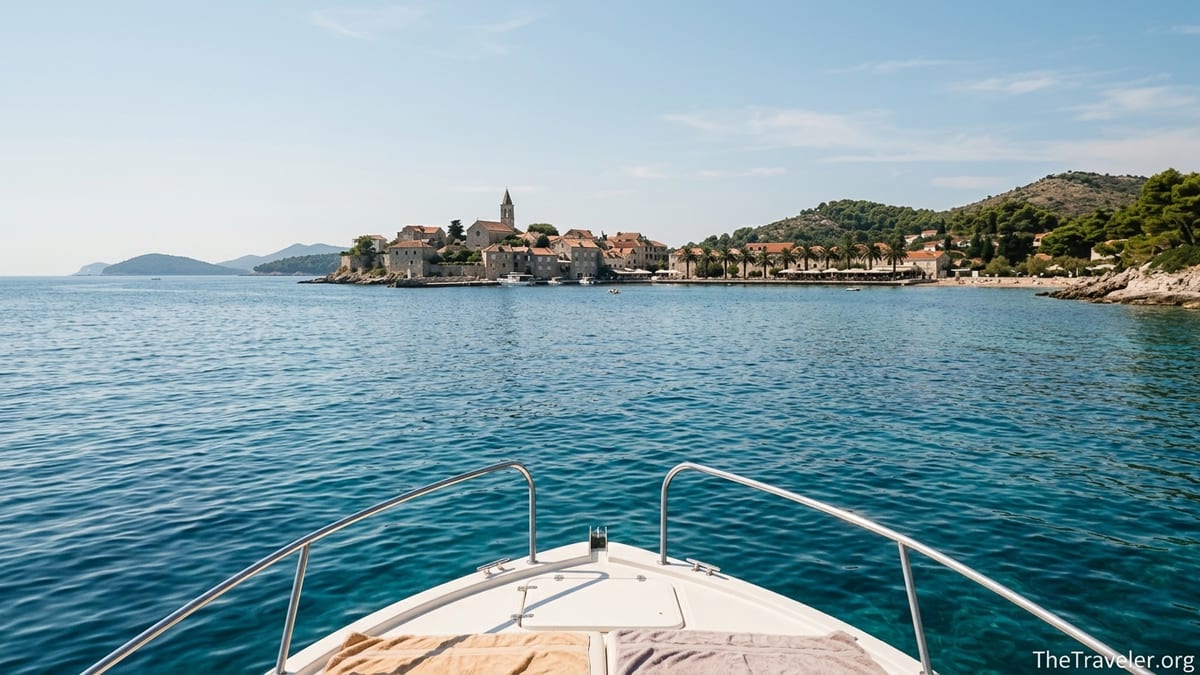
The Elafiti Islands are a small archipelago northwest of Dubrovnik. Most visitors focus on the three inhabited islands on the main ferry line: Koločep (often called Kalamota), Lopud and Šipan. Koločep is the closest to Dubrovnik and feels wild and wooded, Lopud is known for its long sandy Šunj Beach and café-lined harbor, and Šipan is the largest and sleepiest, with vineyards, olive groves and two low-key villages, Suđurađ and Šipanska Luka.
From Dubrovnik, the main gateway is Gruž port, about 10 to 15 minutes by local bus or taxi from the Old Town. Jadrolinija operates passenger ferries on Line 807 between Dubrovnik, Koločep, Lopud and Suđurađ on Šipan several times per day year-round, with extra departures in summer. Typical sailing time is around 30 minutes to Koločep, 55 to 60 minutes to Lopud, and roughly 75 minutes to Šipan, so all three islands are feasible even on a short trip.
Fares on the Dubrovnik to Elafiti ferry line for 2026 are modest. A one-way adult ticket from Dubrovnik to Lopud or Šipan generally costs a few euros, with slightly less for Koločep, and discounted tickets for children. Tickets can usually be purchased on the day at the Jadrolinija office in Gruž, but on peak July and August mornings it is wise to allow extra time to queue and board. For flexibility and comfort, many visitors combine at least one ferry journey with a small-group or private boat tour so they can reach hidden coves and swim spots that ferries do not access.
Weather matters for planning. The Elafiti Islands are relatively sheltered, so ferries and tours run most days from late spring to early autumn, but strong winds can occasionally disrupt schedules, especially outside high season. Build in some flexibility if you are visiting in May, late September or October. In high summer, day trip boats can feel busy around midday, so early sailings on Line 807 or morning kayak tours are a good way to get quieter bays and cooler temperatures.
Practical Planning: When to Go, Where to Stay and What It Costs
The most popular months for Elafiti trips are June through September, when sea temperatures are warm enough for long swims and beach time. July and August bring the most frequent ferries and tour departures, but also the highest prices for private charters and island accommodation. If you can travel in late May, June or September, you will usually find a balance of pleasant weather, lower rates and fewer crowds on Lopud’s Šunj Beach and in Koločep’s coves.
Many travelers stay in Dubrovnik and visit the islands as day trips, but it is increasingly popular to base yourself on Lopud or Šipan for a night or two. On Lopud, simple guesthouses and small hotels sit right on the waterfront, and it is common to pay a mid-range nightly rate comparable to a good three-star or lower four-star option in Dubrovnik. On Šipan, you will find a mix of stone guesthouses in Suđurađ and family-run apartments overlooking Šipanska Luka. Koločep has fewer beds but offers quiet, pine-scented stays ideal for disconnecting.
Tours and activities scale to different budgets. A basic full-day three-island group cruise from Dubrovnik that stops at Koločep, Lopud and Šipan with lunch on board often costs around 40 to 70 euros per adult, depending on the boat size, inclusions and season. Private speedboat charters for a couple or small group of friends typically start in the low hundreds of euros for a half day and can reach 500 to 700 euros or more for a full eight hours on summer weekends, especially for newer boats with a skipper and fuel included.
Food and drink are broadly in line with Dubrovnik prices, though simple konoba-style taverns on Šipan can still feel like good value. A casual lunch of grilled fish or calamari with a side of blitva (chard and potato) on Lopud might run 15 to 25 euros per person, while a coffee on the harbor promenade could be 2 to 3 euros. Kayak tours from Lopud that include gear and guidance for a full day of paddling and snorkeling usually sit somewhere between a budget group boat tour and a private charter, making them a solid mid-range option.
1-Day Elafiti Itinerary: Classic Highlights from Dubrovnik
If you have only one day, focus on experiencing the character of all three main islands without rushing. The simplest approach is to book a three-island day cruise from Dubrovnik’s Gruž port. Typical itineraries motor first to Koločep for a swim in a cove or a short walk up through the pine woods, then continue to Šipan for a stroll in Suđurađ or Šipanska Luka, followed by the longest stop at Lopud so you can reach Šunj Beach for an afternoon swim. Many of these tours include a basic grilled fish or chicken lunch and local wine on board.
Travelers who prefer more independence can use the public ferry. One practical example is to take an early Jadrolinija sailing to Lopud, which often departs Gruž in the morning, giving you several hours of island time. On arrival, walk through the car free village to the opposite side of the island, either along the shaded road or via a marked forest path, to reach Šunj Beach. Renting a sun lounger and umbrella on the sand is straightforward in summer, and there are simple beach bars that serve salads, sandwiches and cold drinks for an easy lunch.
From Šunj, head back to the harbor in mid afternoon and catch a ferry onward to Šipan for a brief peek at the island’s quieter, rural feel. You might visit Šipanska Luka for a coffee on the quay while fishing boats come and go. Later, return to Dubrovnik on the evening ferry via Lopud and Koločep. This pattern allows you to sample both Lopud’s beach life and Šipan’s low-key harbors in a single day. In July, daylight extends well into the evening, which means your return journey still offers views of Dubrovnik’s walls glowing in the late sun.
For active travelers, there is another 1-day idea: combine the ferry to Lopud with a guided sea kayaking tour. Outfitters based in Dubrovnik and on Lopud run full-day trips that start with a ferry crossing, then paddle from Lopud along the coast, often visiting the Green Cave on a nearby islet or continuing toward Šipan. You kayak between villages, stop to snorkel in clear water, and have lunch in a small harbor restaurant before paddling back and catching the ferry home. This option suits visitors who want less time sitting on a motorboat and more time moving at sea level.
2-Day Elafiti Itinerary: Slow Time on Lopud and Šipan
Two days gives you time to stay overnight on the islands and slow your pace. A popular 2-day route is to spend one night on Lopud and one on Šipan, using ferries and short walks to connect them. On day one, leave Dubrovnik on a late morning ferry to Lopud, check into a guesthouse near the harbor, then walk or take a golf cart-style taxi over the hill to Šunj Beach. After an afternoon of swimming, return to the village for a sunset drink on the waterfront and a simple dinner of grilled fish in a konoba tucked into the back streets.
On day two, catch a mid-morning ferry from Lopud to Šipan. Many departures continue from Lopud to Suđurađ, where you can step off and either stay nearby or catch a local taxi or leisurely walk to Šipanska Luka on the other side of the island. The road between the two villages passes olive groves, small churches and the remains of Renaissance summer houses once used by Dubrovnik’s nobility. In Šipanska Luka, you can rent bicycles to explore lanes lined with stone houses and citrus trees, pausing at small bays for a swim.
Food is part of the appeal of staying on Šipan. Choose an outdoor table at a harborside restaurant and order local dishes such as black risotto made with cuttlefish or pasta with shrimp and zucchini. House wines from the Pelješac Peninsula or from Šipan’s own vineyards pair well with seafood, and prices tend to be a little gentler than in Dubrovnik’s Old Town. Nights here are quiet; apart from a few bars, entertainment is mainly the stars above the bay and the sound of water against the quay.
On your return day, take a morning or early afternoon ferry back to Dubrovnik. If your timing allows, you could hop off briefly on Lopud or Koločep en route, but many travelers simply enjoy the open-air decks and views of the city as they reappear. If seas are calm and you feel like a final swim, consider arranging a short private boat transfer in the morning instead of the regular ferry, asking the skipper to pause in a sheltered cove near Koločep for one last dip before dropping you in Gruž.
3-Day Elafiti Itinerary: Adding Koločep and Kayaking
With three days, you can treat the Elafiti Islands as a mini island-hopping holiday rather than just an add-on to Dubrovnik. One workable pattern is to base yourself on Lopud for all three nights and visit Koločep and Šipan as day trips, using ferries, kayaks or small boats as needed. This reduces packing and unpacking while still giving you three distinct island days.
On day one, travel from Dubrovnik to Lopud and dedicate the afternoon to getting your bearings: explore the waterfront promenade, visit the Franciscan monastery at one end of the harbor, and time your walk over to Šunj Beach so you can swim as the late afternoon sun softens and crowds thin. Take note of ferry times posted at the harbor so you can plan the next days. When choosing where to eat, scan the menus and chalkboards; some places specialize in simple grilled fish and local vegetables, others in pizzas and pasta aimed at families.
Day two can focus on Koločep. Take an early ferry from Lopud toward Dubrovnik and get off at Koločep’s Donje Čelo harbor. Here, a small sandy-and-pebble beach sits right in front of the village, and pine trees offer natural shade. If you feel energetic, walk inland on marked paths through forests and old stone hamlets toward Gornje Čelo on the other side of the island. Alternatively, arrange a half-day kayak rental or guided tour that explores sea caves and cliffs along Koločep’s outer coast, including well-known spots where people swim from kayaks into narrow coves. In the afternoon, rejoin the ferry back to Lopud for another harbor dinner.
On day three, turn toward Šipan. You can visit independently by ferry from Lopud, disembarking at Suđurađ, or join a local boat tour that visits Šipan as part of a circuit. Independent visitors might spend the morning walking or cycling between Suđurađ and Šipanska Luka, visiting small churches and farmsteads, then enjoy lunch at a waterfront restaurant in Šipanska Luka. Tour passengers typically have less time but still manage a coffee or quick swim. Either way, try to time your return so you can sit on the open deck and watch the islands recede as you head back toward Dubrovnik in late afternoon or early evening.
Beaches, Swimming Spots and Kayaking Routes
Each of the Elafiti Islands has its signature beach and a collection of quieter places that reward exploring. On Lopud, Šunj is the standout: a wide, shallow sandy bay perfect for families and for travelers who want a long, lazy swim without dealing with rocks or ladders. In high season, rental loungers line much of the beach, but you can usually find a free patch of sand at one end. Closer to the harbor, a small beach near the main promenade offers a quick dip between coffees or before boarding a ferry.
Koločep is better known for small coves and rocky platforms than for one big sandy beach, though Donje Čelo has a convenient stretch of sand and shingle. The island’s indented coast shelters little inlets where the water glows in shades of turquoise on sunny days. Guided kayak and snorkel tours often stop at a so-called Green Cave on a nearby islet or at sea caves along the outer coast, where travelers can swim through short tunnels into enclosed pools. For independent swimmers arriving by ferry, the waters near the main beach and the edge of the village are clear and generally calm.
Šipan, being larger, scatters its swim spots along different bays. In Šipanska Luka, swimmers often use the stone quay and ladder access right in front of guesthouses, turning the harbor itself into an informal lido. Small beaches and rocky shelves along the road between Suđurađ and Šipanska Luka allow for quick, spontaneous dips if you are exploring by bike. The sea here is usually clean and inviting, though you should wear water shoes if you plan to clamber over rocks or enter where there is sea urchin habitat.
Kayaking is one of the most rewarding ways to experience the Elafiti coastline. Several Dubrovnik-based outfitters offer full-day Elafiti kayak trips that combine a morning ferry ride to Lopud with guided paddling among Lopud, Šipan and nearby islets. Expect moderate distances and a mix of sheltered crossings and easy coastal sections, with snorkel breaks, cave visits and a simple village lunch. Experienced paddlers can also base themselves on Lopud or Šipan for multi-day kayak itineraries, arranging guesthouse stays and carrying minimal gear while a local operator transports luggage by support boat.
Eating, Drinking and Island Atmosphere
Despite their proximity to Dubrovnik, the Elafiti Islands maintain a softer, slower atmosphere, which extends to their food and nightlife. On Lopud, the main harbor promenade is lined with cafés and restaurants, some attached to hotels, others independent. Breakfast typically features strong coffee and pastries, while lunch menus lean toward salads, grilled fish, seafood risotto and pasta. Beach bars at Šunj serve simple fare such as grilled sandwiches, burgers and fruit plates, catering to swimmers who do not want to leave the sand.
Koločep has fewer dining options but often charms visitors with its simplicity. In Donje Čelo, a handful of konobas and cafés cluster around the beach, serving fresh fish, octopus salad, and local wines by the glass. Dining here feels more like being in a small village than in a resort, which is part of the appeal for travelers seeking quiet evenings without loud music or crowds. Prices reflect the limited choice but are usually similar to those on Lopud, with some seasonal variation.
Šipan offers some of the region’s most atmospheric waterfront dinners, particularly in Šipanska Luka. As the sun sets, tables appear along the quay and guests dine just a few meters from moored fishing boats and small yachts. Menus highlight locally caught fish, shellfish and vegetables from the island’s fields, alongside classic Dalmatian dishes such as peka, a slow-cooked meat or octopus specialty that needs to be ordered in advance. Portions tend to be generous, so many couples share a starter and main course, especially on warm evenings.
Nightlife across the Elafiti Islands leans more toward slow conversations over wine than to clubs and parties. A few bars on Lopud may play music later into the evening in peak season, but most visitors end their day with a stroll and a gelato or a quiet drink on a terrace. For those who want a livelier night out, it makes sense to stay in Dubrovnik and treat the islands as daytime escapes or to return earlier from an island stay to enjoy the city’s bars before sleep.
Dubrovnik Logistics: Ferries, Tours and What to Pack
Most trips to the Elafiti Islands start and end at Gruž, Dubrovnik’s commercial and ferry port. The area has a cluster of ticket offices, kiosks selling sandwiches and drinks, and a few cafés where you can wait in the shade. City buses link Gruž with the Old Town and Lapad district on routes that run every few minutes in summer. If you are catching an early morning ferry, staying nearer Gruž the night before can reduce stress, particularly if you have luggage.
Public ferries are fine for independent travelers who are comfortable keeping an eye on timetables and planning around fixed departure times. Always double-check the current schedule for Line 807 before you finalize accommodation reservations, especially if you intend to arrive or depart on a Sunday or outside the main summer months, when frequencies can shift. In bad weather, captains may adjust or cancel sailings, although such disruptions are more common in the shoulder seasons than in July and August.
Boat tours and private charters work best for travelers who value flexibility or who are traveling in a group. A family or small group of friends might find that booking a private speedboat for a half or full day works out at a similar per-person cost to an upmarket group excursion, with the added benefit of choosing exactly when and where to stop. When comparing options, look carefully at what is included: some tours cover fuel, drinks, snorkel gear and lunch, while others quote a bare-boat price with fuel and extras payable separately.
Packing smart makes island days more comfortable. Bring sturdy sandals or water shoes for rocky entries, a light long-sleeved shirt or cover-up to protect from the sun, and a dry bag for phones and cameras if you plan to kayak or join a small boat tour. On the islands themselves, cash is helpful for small purchases such as beach bar snacks, bike rentals and ice creams, even though many larger restaurants and guesthouses accept cards. In high season, consider carrying a reusable water bottle; you can often refill it in accommodations or cafés, reducing plastic use and staying hydrated in the heat.
FAQ
Q1: Can I visit all three main Elafiti Islands in one day from Dubrovnik?
Yes, you can visit Koločep, Lopud and Šipan in a single day, most easily on a three-island boat tour that includes short stops on each and usually a longer break on Lopud. It is also technically possible using public ferries, but schedules can make that feel rushed, so many travelers focus on two islands if traveling independently.
Q2: Is it better to stay overnight on the islands or in Dubrovnik?
It depends on your priorities. Staying in Dubrovnik keeps you close to restaurants, nightlife and city sights, with the islands as easy day trips. Staying on Lopud or Šipan offers quiet evenings, car free streets and more time on the beach without watching the clock for return ferries. A compromise is to spend one or two nights on an island within a longer Dubrovnik stay.
Q3: Do I need to book Elafiti ferries in advance?
For most travelers using Jadrolinija’s Line 807, buying tickets on the day is sufficient, especially outside peak season. In July and August, morning ferries can be busy, so it is wise to arrive at Gruž port early to purchase tickets and queue. If you are traveling with a larger group or on a tight schedule, checking the timetable and buying tickets ahead when possible adds peace of mind.
Q4: How much does a typical Elafiti boat tour from Dubrovnik cost?
Prices vary with season, boat size and inclusions, but a full-day three-island group tour often costs in the region of 40 to 70 euros per adult. Private charters are more expensive in total but can become good value per person for families or groups, with full-day rates commonly in the mid hundreds of euros for a comfortable speedboat with skipper.
Q5: Which Elafiti Island is best for beaches?
Lopud is usually considered the best island for classic beach time because of Šunj Beach, a long, shallow sandy bay that is ideal for swimming and families. Koločep and Šipan also offer appealing swim spots, but they tend toward smaller coves, rocky platforms and quay ladders rather than a single large sandy beach.
Q6: Can I rent a kayak on the Elafiti Islands?
Yes, several outfitters in Dubrovnik and on Lopud rent kayaks or run guided kayak tours around the Elafiti Islands. Lopud is a common starting point, with full-day trips that paddle to nearby islets and sometimes to Šipan. If renting independently, stay close to the coast, watch the wind and boat traffic, and follow local safety advice.
Q7: Are the Elafiti Islands suitable for children?
The Elafiti Islands are generally very family friendly. Lopud’s car free lanes and shallow Šunj Beach suit younger children, while older kids often enjoy boat trips, snorkeling and short hikes. Bring sun protection, water shoes and snacks, and be mindful that shade can be limited at some beaches in the middle of the day.
Q8: What should I wear when visiting the islands?
Casual, comfortable clothing is fine on the Elafiti Islands. Lightweight fabrics, swimwear, a hat and good walking or beach shoes are essential in summer. For evenings, most restaurants have a relaxed dress code, so simple resort wear is adequate, though you may want a light layer if a breeze picks up over the water.
Q9: Is it easy to find vegetarian or vegan food on the islands?
Vegetarian options such as salads, grilled vegetables and pasta dishes are common on menus, especially in more tourist-focused restaurants on Lopud. Vegan choices can be more limited but are improving; many places will adapt dishes if you ask politely. If you have strict dietary requirements, carrying some snacks or speaking with your accommodation host in advance can help.
Q10: Do I need a car to explore the Elafiti Islands?
No, you do not need a car on the Elafiti Islands. Lopud is car free, and Koločep and Šipan are easily explored on foot or by bicycle. Distances between villages are modest, and roads are quiet. Most visitors arrive as foot passengers on ferries or tours and get around using walking paths, bikes and occasional local taxis or golf cart-style transfers.