


More news on this day
An emergency marine search is underway off Port MacDonnell on South Australia’s Limestone Coast, where rescue crews are scouring rough winter seas and rocky shoreline after reports of a person or vessel in distress near the busy fishing port.
Get the latest news straight to your inbox!
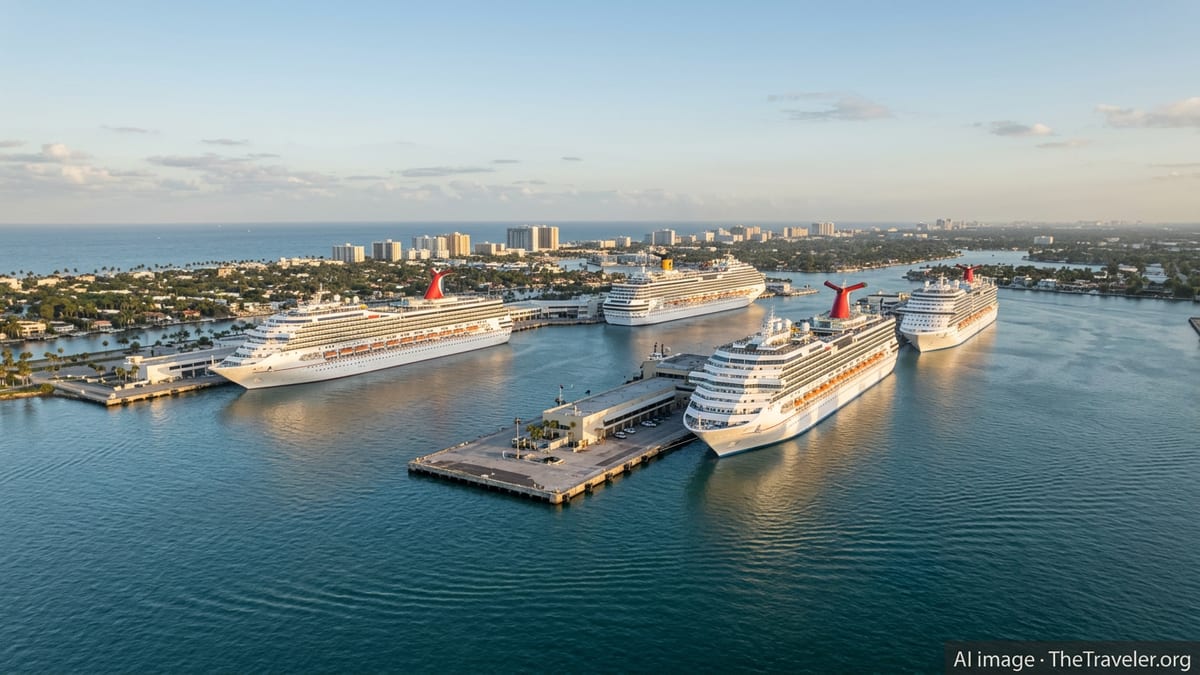
Urgent Operation on South Australia’s Limestone Coast
Port MacDonnell, a small but active fishing community near the Victorian border, is at the center of an unfolding emergency response as rescue teams concentrate on waters south and west of the harbour entrance. Publicly available information indicates that search assets have been directed to an area influenced by fresh northerly winds and low winter temperatures, increasing the urgency for a rapid outcome.
The coastal township sits on an exposed stretch of shoreline where ocean conditions can deteriorate quickly, particularly in late July when passing weather systems bring changing winds, squalls and sudden seas. Forecasts for the area point to strengthening northerlies and intermittent showers, the kind of pattern that can complicate low-level aerial sweeps and limit the visibility of small craft from the air and sea.
Reports suggest that the response involves multiple agencies with marine capability, drawing on local knowledge of reefs, shoals and commercial fishing grounds that fringe the approaches to the port. Port MacDonnell’s role as a working harbour for rock lobster and other fisheries means traffic in and out of the small boat haven is common, and any unaccounted vessel or person in the water triggers a rapid escalation in search activity.
While key details, including the identity and number of people believed to be involved, had not been formally clarified at the time of writing, search planners are understood to be working from a last known position and an estimated drift pattern based on prevailing wind and current data.
Challenging Winter Conditions in a Historic Port
The current emergency operation unfolds in a port setting that has long been associated with maritime risk. Historical references to past incidents off Port MacDonnell, highlighted in state parliamentary records and local museum collections, describe earlier search efforts in the same waters, underscoring the ongoing hazards faced by commercial crews and recreational boaters along this section of coast.
In winter, daytime maximum temperatures in the Lower South East region tend to hover in the mid-teens, but wind chill on open decks and in exposed waters can reduce effective temperatures significantly. Even short immersion in cold water dramatically increases the risk of hypothermia, a factor that often shapes search priorities and timeframes in southern Australian operations.
Mariners familiar with the area describe a patchwork of limestone reefs, kelp beds and shallow ledges around Port MacDonnell that can produce breaking seas when a groundswell runs against strong local winds. These features can complicate close-in approaches for larger vessels and require careful coordination when small rescue craft search tight in along the rock platforms.
The port’s navigation infrastructure, including its boat haven channel and breakwaters, guides vessels safely into the harbour under normal conditions. In an emergency, however, search paths often extend well beyond marked channels to encompass offshore fishing marks and transit routes used by local fleets heading toward deeper grounds.
Search Patterns and Marine Rescue Resources
Although operational specifics are not fully disclosed in real time, the deployment around Port MacDonnell is likely to follow established search and rescue methodologies that are widely documented across maritime agencies. These frameworks generally call for box or sector search patterns near a last reported position, with expansion into parallel track patterns as uncertainty over a casualty’s location grows with time.
Public information about marine search coordination in the region notes that state and volunteer marine units provide dedicated response capability at dozens of locations along the southern Australian coastline. These units are trained to work alongside state emergency services and water police, integrating local rescue vessels, communications networks and shore-based teams to cover both sea surface and adjacent land areas.
Standard practice in such operations draws on drift modelling that combines wind forecasts, surface current information and the characteristics of the object being searched for, whether it is a person in the water, a small craft or larger debris field. This modelling informs the orientation of search tracks and the likely downwind or down-current sectors that require early saturation by rescue assets.
Where available, fixed-wing aircraft, helicopters and remotely piloted platforms can be brought in to extend the search area, particularly in daylight hours when visual detection over open water is most effective. At night, searchers typically rely more heavily on vessel-mounted lighting, radar and thermal imaging where available, further constrained by sea state and safety limits for small craft.
Impact on Local Community and Marine Traffic
The unfolding search at Port MacDonnell is resonating across the tight-knit local community, where many residents have direct links to commercial fishing, recreational boating or the seasonal tourism trade. Emergency activity in and around the harbour often prompts heightened awareness among locals, with vessel operators and shoreline residents monitoring marine channels and visible rescue movements from the foreshore.
Search operations of this type can temporarily affect harbour traffic, with recreational movements curtailed or directed to avoid active search sectors. Visiting travelers towing boats or planning coastal walks in the area may notice an increased presence of rescue craft, elevated radio traffic and possible access controls at certain vantage points or launch sites.
Published guidance on maritime incidents in working ports emphasizes the need to balance public interest with safety and operational efficiency. Members of the public are generally encouraged to remain clear of launch ramps and staging areas where rescue teams are deploying vessels and equipment, and to avoid speculation that could distract from verified updates disseminated through official channels and reputable news outlets.
Accommodation providers, tour operators and caravan parks in and around Port MacDonnell often act as informal information hubs for visitors. During active emergencies, these businesses typically direct guests to broadcast bulletins and established media coverage for the latest information, rather than relying on unverified social media posts.
What Travelers Should Know When Visiting Port MacDonnell
The emergency search highlights the importance of preparation for anyone planning to explore Port MacDonnell and the broader Limestone Coast by sea. Even on relatively calm days, local conditions can shift quickly, and travelers bringing their own vessels are encouraged by public safety information to review marine forecasts, understand local hazards and carry appropriate safety gear before heading offshore.
The Bureau of Meteorology’s coastal and town forecasts for Port MacDonnell outline expected wind strength, rainfall and visibility trends, which are essential reference points for planning. In the current pattern of cool temperatures, patchy fog and strengthening northerly winds, prudent skippers typically assess whether conditions may deteriorate during the return leg of a trip, not just at the time of departure.
For visitors who prefer to stay on land, coastal walks, lookouts and the town’s maritime heritage attractions offer opportunities to appreciate the working port environment from a safe distance. During an active search, travelers are advised to be mindful of rescue helicopter overflights, emergency vehicle access routes and possible temporary restrictions near key vantage points.
Marine safety campaigns across southern Australia consistently highlight simple measures that can make a crucial difference in an emergency, including wearing lifejackets at all times on small craft, carrying reliable communications equipment and lodging trip details with a responsible contact on shore. The current search around Port MacDonnell serves as a timely reminder that conditions in scenic coastal destinations demand the same respect and preparation as any remote offshore voyage.