


Rovaniemi, the self-proclaimed Official Hometown of Santa Claus in Finnish Lapland, has gone from niche Arctic outpost to bucket-list destination. That popularity means it is easier than ever to visit, but it also means many first-time travelers arrive with unrealistic expectations, the wrong gear or a poorly planned itinerary that wastes precious time and money. Before you book anything, it is worth understanding the most common mistakes visitors make when planning a trip to Rovaniemi, and how to avoid them.
Get the latest updates straight to your inbox!
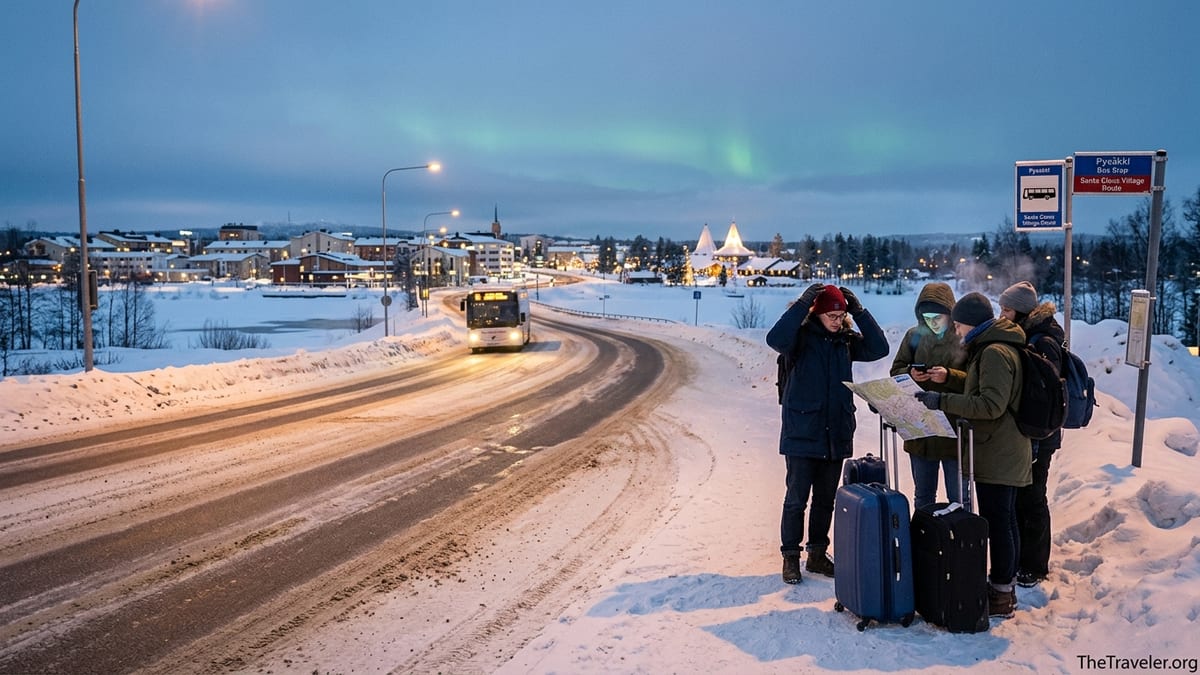
Misreading Rovaniemi’s Seasons and Booking the Wrong Dates
One of the biggest planning errors is assuming that “winter in Lapland” is one uniform season. In reality, Rovaniemi in early December, mid-January and late March can feel like three different destinations. December is peak season around Christmas and New Year, with hotel prices often 50 to 100 percent higher than the same rooms in January and February, and flight prices from Helsinki frequently double compared with shoulder dates. Travelers who book the week before Christmas because it “feels most Christmassy” are often surprised by crowds, queues and limited availability on popular excursions.
By contrast, a family who visits in late January instead of December can usually find the same mid-range city hotel for roughly half the price and still enjoy deep snow, husky safaris and northern lights tours. Local operators point out that the main activities around Rovaniemi operate from late November through March, and in many years the snow conditions and aurora visibility are actually better in January and February, when the festive rush has eased but the landscape is still fully wintery.
Another misconception is that “winter” automatically means snow. In recent years, early December has occasionally started with thin snow cover in town and icy pavements rather than the heavy snowdrifts seen in marketing photos. If your dream is a snow-covered Santa Claus Village, consider dates from late December through February, or be prepared to drive a little farther north if conditions in Rovaniemi are marginal. Checking long-range weather trends and recent-year trip reports before locking in nonrefundable bookings can help align expectations.
Finally, many visitors overlook how little daylight there is around the turn of the year. In late December Rovaniemi may see only a couple of hours of weak daylight, with long blue twilight on either side. That can be magical for photos but also means city sightseeing and outdoor walks feel very different than in March, when days are much longer. If you want time to explore on foot and photograph scenery in natural light, look at late February or March instead of the darkest week of the year.
Underestimating Costs and Booking the Wrong Type of Stay
A second common mistake is building a budget around airfare and hotel prices alone, then getting a shock when activity and food costs land. A realistic mid-range week in Rovaniemi with a central hotel, daily restaurant meals and two or three classic excursions such as a husky safari, snowmobile outing and reindeer visit can easily reach well over 1,500 euros per person before flights, depending on choices. For many travelers, the main expense is not the room but the activities; a single guided snowmobile or husky tour can cost more than 150 euros per adult.
New visitors also tend to focus on eye-catching accommodation such as glass igloo resorts or designer cabins and forget about overall logistics. Booking three nights in a glass igloo 25 to 40 minutes outside Rovaniemi, for example, can be magical but expensive once you add private transfers or repeated taxi rides into town and back for meals and tours. A couple on a February trip recently reported spending more than 300 euros on taxi fares alone because their cabin did not lie on any shuttle or local bus route.
On the flip side, some budget-conscious travelers book the cheapest possible hostel far from the center and discover they are spending more than they saved on transport and lost time. For many first-timers, a practical compromise is a mid-range hotel or apartment in the compact city center or near Santa Claus Village. A standard double in a central three-star property often runs in the 110 to 200 euro range in January and February, and having breakfast included can significantly cut daily food costs compared with paying 12 to 18 euros every morning in a café.
Food prices also surprise visitors arriving from cheaper destinations. A simple burger or pizza in a casual restaurant can run 13 to 18 euros, while a main course in a nicer Lapland restaurant easily reaches 25 to 35 euros or more. Many locals recommend using hearty weekday lunch buffets, often priced around 11 to 15 euros and including salad, a hot main and coffee, then keeping dinner lighter or self-catered. Booking an apartment hotel with a kitchenette and stopping at a supermarket on arrival is one of the most effective ways to keep overall costs reasonable without cutting back on the experiences that brought you to Lapland in the first place.
Picking the Wrong Location: City, Santa Village or Remote Wilderness
Rovaniemi looks compact on a map, which misleads many visitors into thinking that anywhere within a 20 or 30 kilometer radius is “close.” In practice, choosing the wrong base can leave you reliant on taxis in deep winter, paying for transfers on every excursion or spending precious daylight commuting. The three main accommodation zones for first-timers are the city center, the Santa Claus Village area just north of town and various out-of-town cabins and glass igloo resorts scattered around the forests and lakes.
Staying in the city center works well if you want easy access to supermarkets, restaurants and the Arctic science museum, and do not mind taking a 15 minute bus or transfer to Santa Claus Village. It is especially convenient for short stays or when you will join multiple excursions that depart from central hotels. A family with young children who booked a downtown hotel for three nights in February, for example, found it easy to walk to a kid-friendly buffet restaurant, pick up snacks at the local hypermarket and then join an evening northern lights tour that collected them directly from the lobby.
The Santa Claus Village area, around eight kilometers north of the city, is ideal if your trip centers on meeting Santa, crossing the Arctic Circle line and visiting winter attractions like snow parks or reindeer farms. Many chalet-style accommodations and holiday villages there include direct access to activities, which means you can walk from your cottage to husky kennels or sledding hills without arranging transport. The tradeoff is fewer everyday services: while you will find restaurants and souvenir shops, you will not have the same choice of supermarkets or non-touristy cafés as in town, and prices reflect the captive-audience environment.
Remote wilderness cabins and glass igloos, often marketed with starry-sky photos, appeal to travelers chasing a once-in-a-lifetime atmosphere. The mistake is treating these as a practical base for a busy activity schedule. A couple who booked four nights at a forest glass igloo 35 kilometers from Rovaniemi discovered that sunrise snowshoe tours, Santa visits and evening aurora safaris all required separate long transfers, leaving them exhausted and over budget. For most first-time visitors, it makes more sense to spend two or three nights in a central or village location for easy logistics, then add a single night in a remote resort at the end of the trip as a quiet highlight.
Misjudging Transport and Getting Caught by Hidden Logistics
An equally frequent misstep is not thinking through how you will physically get around once you land. Rovaniemi Airport sits roughly 10 kilometers north of the city center, which means you should expect a short transfer rather than walking. Depending on the season and time of day, options typically include shared shuttle buses serving popular hotels and Santa Claus Village, prebooked transfers arranged through your accommodation and local taxis. Prices fluctuate, but a standard taxi from the airport to the city often costs around 25 to 35 euros, more to Santa-area resorts or out-of-town cabins.
First-timers sometimes assume there will always be a bus waiting for each flight and do not check the latest schedules. In the busiest winter weeks, that is often true, but outside peak hours or in shoulder season there might be long gaps. A traveler arriving on a late-evening flight in March, for instance, recently reported having to share a taxi with strangers because the last shuttle of the day had already left. To avoid surprises, it is worth confirming your arrival time against the most up-to-date shuttle timetable and asking your hotel whether they offer their own transfer service.
Within Rovaniemi, visitors often underestimate walking distances in Arctic conditions. What looks like a simple 1.5 kilometer walk from a hotel to a riverside viewpoint can feel much longer at minus 20 degrees Celsius, especially with children. Pavements can be compacted snow or ice, and although the city maintains them well, you still need proper footwear with grip. Overconfident travelers in fashion boots or smooth-soled sneakers often end up buying emergency traction aids from a sports shop after a couple of near-falls.
Finally, some guests assume they will rent a car on arrival and explore freely, not realizing that winter driving above the Arctic Circle is a different skill set. Local roads are usually plowed and fitted with winter tyres but can remain snowy or icy. If you come from a country without real winter, it is worth considering whether you are comfortable driving in darkness, with reindeer occasionally crossing the road. For many first-timers, combining airport transfers, organized tours that include pick-up and occasional local buses or taxis is less stressful and not necessarily more expensive once you factor in rental, fuel and parking costs.
Arriving With the Wrong Clothing and Gear
Perhaps the most universal mistake in Rovaniemi is packing as though you are going on a regular ski trip or, at the other extreme, bringing only light city clothes and relying entirely on rented outerwear. The key in Lapland’s dry cold is layered clothing: a moisture-wicking base layer, an insulating mid-layer such as fleece or wool and a windproof, insulated outer shell. Many local tour operators provide bulky overalls and winter boots for snowmobile or husky excursions, but these are designed to go over your own warm underlayers, not replace them.
Every winter, guides see visitors from tropical countries step off buses in cotton jeans, ankle socks and fashion coats, expecting the rental overalls to do all the work. After an hour on a reindeer sled at minus 15 degrees, they are miserable. Simple upgrades like merino base layers, proper insulated gloves, thermal socks and a windproof hat that covers your ears make an enormous difference. You do not need top-of-the-line expedition gear; mid-range winter clothing from international brands, combined correctly, is usually enough.
Footwear is another problem area. Many people bring regular city sneakers, imagining that walking between attractions is similar to a cold but dry city in central Europe. In Rovaniemi, you will likely be walking on packed snow or ice even in the city center for much of the winter. Waterproof insulated boots with good grip are highly recommended. Visitors who rely on fashion boots often end up with wet, cold feet after a short stroll around Santa Claus Village or the riverside, which can cut an outing short and make long outdoor excursions far less enjoyable.
Finally, people frequently overlook small items that make Arctic life easier, such as thin glove liners you can wear under thick mittens, a buff or neck gaiter to protect your face from wind and simple hand warmers for children who feel the cold more quickly. Investing in the right gear before you arrive, or planning a quick stop at a local outdoor store on your first day, can transform your experience and ensure you remember Lapland for its scenery rather than its chill.
Overloading the Itinerary and Chasing the Northern Lights
With limited time and a long wish list, many first-time visitors cram too much into each day. A common pattern is arriving on an afternoon flight, dashing straight to Santa Claus Village, booking a late-night northern lights chase and then scheduling a full-day snowmobile safari the next morning. In the Arctic winter, where the cold itself is tiring and daylight is short, such a plan quickly leads to exhaustion. Families with small children are especially vulnerable to meltdowns when naps disappear and meals get pushed back to fit in one more excursion.
A more sustainable approach is to treat Rovaniemi like any other adventure destination: build in rest periods, limit major outings to one substantial paid activity per day and allow time to simply wander, play in the snow or enjoy your accommodation. For example, you might spend your first full day visiting Santa Claus Village and the nearby reindeer attractions, your second day on a husky or snowmobile tour and your third day exploring the city museums and riverside. Evening northern lights tours can then be layered on top when conditions look promising, rather than every single night regardless of the forecast.
Northern lights expectations cause particular disappointment. Marketing photos suggest that the aurora glows every night over Rovaniemi, which is not the case. Even in a good season, there will be cloudy nights or low solar activity. Some visitors book three or four expensive aurora tours in a row, hoping to “guarantee” sightings, only to burn through their budget and still get skunked by weather. A more balanced plan is to schedule one guided aurora hunt with a reputable operator, who can drive out of the city lights and explain the science, and on other nights simply check the forecast and scan the sky near your hotel.
It is also easy to forget that many experiences in Rovaniemi can be enjoyed independently at low cost. Sledding hills, riverside walks and basic snow play around the city are free. Visitors who book a guided tour for every single activity, including things like walking the Arctic Circle line or visiting public viewpoints, often leave feeling rushed and over-programmed. Before filling your schedule, think about which experiences truly require a guide and specialized equipment and which you can enjoy at your own pace.
Misunderstanding Santa Attractions and Other Sights
For many families, the main motivation to visit Rovaniemi is to meet Santa and experience the Arctic Circle. Problems arise when they assume every Santa-themed attraction is in the same place, open at all hours and included in one simple ticket. In reality, Santa Claus Village is a free-access outdoor area with shops, restaurants and Santa’s office, while Santa Park is a separate underground theme park a short distance away with its own paid admission and seasonal opening dates. First-time visitors occasionally book flights for early November only to discover that Santa Park does not open until late November or early December in most years.
Another frequent surprise is that meeting Santa in his office or grotto is usually free, but professional photos cost money and can be quite expensive for families. Prices vary, but travelers sharing recent experiences mention paying the equivalent of several dozen euros for a digital photo package. Similarly, activities within Santa Claus Village such as short reindeer rides or mini snowmobile tracks for children are charged separately and can quickly add up. Arriving with a clear idea of which experiences you are willing to pay for, and giving older children a budget, can prevent on-the-spot negotiations and disappointment.
Beyond the Santa-focused attractions, some visitors underestimate what else Rovaniemi offers. They rush through town on a half-day visit and miss experiences like the Arktikum museum, which explores Arctic nature and culture, or the Pilke Science Centre’s interactive forestry exhibits. Others schedule only one rushed day in the region when an extra night would allow time for both the Santa universe and a taste of Lapland beyond it. When planning, consider whether you want Rovaniemi to be a quick festive detour or a broader introduction to Arctic Finland, and allocate nights accordingly.
Finally, it is worth noting that not every traveler falls in love with the commercial side of Santa Claus Village. Some adults report finding the souvenir shops and photo packages a little too polished or crowded in December. If your group includes people who care more about quiet nature than Christmas themes, balance the itinerary with a winter walk along the frozen Kemijoki river, an evening snowshoe outing in the forest or a relaxed afternoon at a lakeside sauna complex, where the atmosphere is much more local and low-key.
The Takeaway
Rovaniemi rewards travelers who plan with the Arctic reality in mind instead of the postcard fantasy. The main mistakes first-time visitors make happen long before they see snow: booking peak December dates without understanding the price premium, choosing impractical accommodation far from activities, underestimating how quickly activity and food costs mount and assuming that festive attractions and northern lights are effortless guarantees rather than weather-dependent experiences.
If you treat your trip like an expedition-lite, think carefully about clothing and logistics and allow time to actually enjoy where you are rather than sprinting between scheduled highlights, Rovaniemi can deliver exactly what the brochures promise: snowy forests, friendly huskies, a believable Santa and, with a bit of luck, green auroras flickering overhead. Go in with realistic expectations, prepare for the cold and keep your plans flexible, and your first visit to the Arctic Circle is far more likely to feel magical for the right reasons.
FAQ
Q1. When is the best time to visit Rovaniemi for a first trip?
For most first-time visitors, late January to early March offers a good balance of reliable snow, more daylight, lower prices than December and plenty of tours still running.
Q2. How many nights should I stay in Rovaniemi?
Three to four nights is ideal for a first visit, giving you time for Santa experiences, one or two major excursions and some unhurried exploration without feeling rushed.
Q3. Is Rovaniemi too expensive for budget travelers?
Rovaniemi can be costly, but you can manage on a tighter budget by staying in hostels or simple apartments, using lunch buffets, self-catering dinners and focusing on a few key paid activities.
Q4. Do I need to rent a car in winter?
No, most first-time visitors manage fine with airport transfers, organized tours that include pick-up and occasional taxis or buses, especially if they stay in the city center or near Santa Claus Village.
Q5. Will tours provide all the winter clothing I need?
Many husky, reindeer and snowmobile tours provide outer overalls and boots, but you still need your own warm base layers, mid-layers, hat, gloves and socks to stay comfortable.
Q6. Is it guaranteed that I will see the northern lights?
No, auroras depend on both solar activity and clear skies. Even in peak season there are no guarantees, so treat them as a bonus rather than the only reason for your trip.
Q7. Should I stay in the city center or at Santa Claus Village?
The city center is better for restaurants, supermarkets and museums, while Santa Claus Village suits families focused on Santa and winter activities. Many visitors split their stay between the two.
Q8. Are Santa attractions open all year?
Santa Claus Village is open year-round, but specific attractions and Santa Park have seasonal hours. Always check current opening times for your exact travel dates before booking.
Q9. Is Rovaniemi suitable for very young children?
Yes, but keep schedules relaxed, avoid overbooking evening tours, choose accommodation close to services and make sure everyone has proper winter clothing and warm breaks indoors.
Q10. How far in advance should I book accommodation and tours?
For December and school holidays, book flights, accommodation and key tours several months in advance. For January to March, you usually have more flexibility but still benefit from early planning.