


Perched on the Arctic Circle in Finnish Lapland, Rovaniemi blends fairy-tale Santa Claus magic with serious Arctic adventure. Whether you dream of glass igloo skies, husky sleds at twilight or sauna sessions after a day in the snow, the hometown of Santa offers more choice than ever. This guide brings together standout tours, hotels and Arctic experiences, with up-to-date examples of what you can realistically book, what it tends to cost and how to choose the options that match your style of travel.
Get the latest updates straight to your inbox!
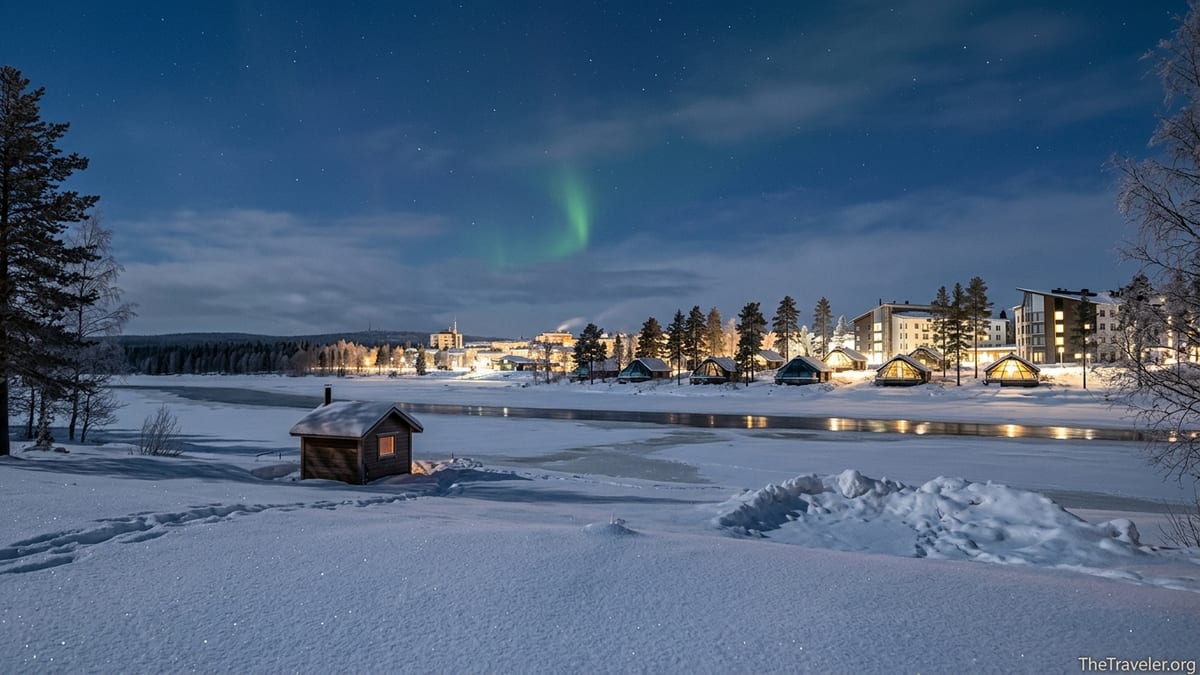
Understanding Rovaniemi and When to Visit
Rovaniemi is the capital of Finnish Lapland and the self-branded Official Hometown of Santa Claus. The compact city sits right on the Arctic Circle, about an hour’s flight from Helsinki, and functions as a tourism hub for winter safaris, northern lights tours and Santa-themed attractions. In high winter you will find direct seasonal flights from major European cities like London and Paris, which explains why visitor numbers have surged in recent years and beds can sell out months ahead.
Winter, roughly from early December to late March, is when most visitors arrive for snow, huskies and reindeer. Around Christmas and New Year, room rates at popular resorts such as Arctic TreeHouse Hotel and the glass igloo complexes north of town can easily reach around 700 to 1,000 euros per night for a family suite, while entry-level city hotels often run 250 to 400 euros. If you want a more affordable stay with nearly the same activities, look at January and early February or the “late winter” weeks in March, when the days are brighter but snow is usually still reliable.
Autumn and early winter, from late September to November, offer different rewards. There may be little or no snow at lower elevations in October, but the forests glow with ruska autumn colors, prices are gentler and aurora tours still operate as long as nights are dark. Summer, from June to August, means midnight sun instead of northern lights. You trade husky sleds for river cruises and hiking in Ounasvaara, a low fell just across the river from the city.
Climate change is reshaping the region: in recent years Rovaniemi has already seen the occasional snowless Christmas, and early winter conditions can be unpredictable. That makes it worth reading the fine print on tour providers’ snow guarantees and alternative programs. Many switch a “snowmobile safari” to a forest hike, fatbike ride or reindeer visit if trails are unsafe, so you still get an outing even if the weather is not textbook Lapland.
The Best Areas and Hotels for Your Base
Where you stay in Rovaniemi shapes your whole trip. The main options are the city centre, Santa Claus Village at the Arctic Circle, and a growing ring of wilderness-style resorts scattered along the surrounding rivers and forests. Each has its own feel and price point, so it is worth matching the neighborhood to the kind of visit you imagine.
In the compact city centre you will find hotels such as Arctic Light Hotel and Scandic Rovaniemi City, both within a short walk of restaurants and the bus stop for Santa Claus Village. Arctic Light Hotel, housed in a former city hall, is often praised for its characterful rooms and generous breakfast; midwinter rates for a standard double commonly start around 220 to 300 euros per night, rising on peak festive dates. Staying in town gives you easier access to local bars, supermarkets and the Arktikum museum, and many tour companies will collect you directly from bigger central hotels.
At the Arctic Circle, Santa Claus Village functions as a self-contained resort area roughly 8 kilometres north of the centre. Here you find Santa Claus Holiday Village with its chalet-style apartments, the original Santa Claus Main Post Office, and a cluster of glass-roof accommodation brands such as Glass Resort and Arctic SnowHotel & Glass Igloos’ transfer point. For families with young children, waking up inside the Village means you can walk to Santa’s office, snow play areas and reindeer pens in minutes without worrying about bus timetables. Expect winter prices for a family cabin with breakfast in Santa Claus Village to sit broadly in the 300 to 500 euro range per night, with higher rates at Christmas.
For those dreaming of northern lights from bed, several wilderness lodges and igloo resorts ring the city. Arctic TreeHouse Hotel, perched in the forest on a hill above Santa Park, offers elevated suites with floor-to-ceiling windows facing the trees and sky. Many couples describe it as a honeymoon-style retreat, and its winter pricing often reflects that, with suites in the mid to high hundreds of euros per night depending on the season. Further from town, properties like Apukka Resort and the separate Arctic SnowHotel & Glass Igloos near Lake Lehtojärvi combine cabin or glass igloo stays with on-site activities such as aurora tours, ice restaurants and lakeside saunas. If you choose one of these, budget for either renting a car or relying mostly on the resort’s own excursions and shuttle buses, since you will not be able to stroll into central Rovaniemi in the evening.
Essential Santa Claus and Culture Experiences
Even if you are more interested in nature than in Christmas, it is worth setting aside at least half a day to experience Santa Claus Village. The free-to-enter area allows you to cross the painted Arctic Circle line, peek into souvenir shops and watch children post letters at Santa’s Main Post Office. Meeting Santa in his official office is typically included in a photo package that you can buy on the spot; families often spend between 40 and 80 euros on prints and digital photos, depending on the bundle they choose. The village is open year-round, so summer visitors can still seal their Arctic Circle certificates and send Christmas cards to be postmarked for December.
For a deeper understanding of the region beyond Santa, Arktikum should be right at the top of your list. This combined museum and science centre sits along the Ounasjoki river just north of downtown and explores Arctic nature, Sámi culture and the history of Lapland. As of the latest information, general adult admission is typically a few tens of euros, with discounts for children, students and families, and tickets are valid for the day so you can come and go between exhibits and the café. Visitors often highlight the long glass corridor with views to the river and the detailed displays on northern lights and reindeer herding as standouts.
Rovaniemi also has a small but interesting cultural scene worth weaving into a winter itinerary. Korundi House of Culture, housed in a former post bus depot, is home to the Rovaniemi Art Museum and a concert hall where the Lapland Chamber Orchestra performs. During winter there might be contemporary art exhibitions alongside classical concerts or local choir performances, offering a welcome indoor alternative if a planned aurora excursion is cancelled due to clouds. Check schedules a few weeks before you go and consider booking tickets in advance for weekend events.
If you want a glimpse of local life, leave a window of time to wander the compact centre around Lordi Square, named after the Finnish rock band that won the Eurovision Song Contest. You will find Finnish chain cafés, independent bakeries and the covered market hall where locals pick up reindeer meat, cheese and berries. Many visitors combine a stroll through town with an early dinner before joining an evening tour pick-up from their hotel.
Top Arctic Experiences: Huskies, Reindeer and Snowmobiles
The classic Rovaniemi “safari” experiences cluster around husky sledding, reindeer rides and snowmobile tours, many bundled into half-day or full-day packages. Prices vary widely depending on duration and group size, but as a rough guide, a two-hour husky experience that includes transfers, a short sled ride and time to meet the dogs often starts around 130 to 180 euros per adult, with reduced rates for children. Longer safaris of three to four hours that include a hot lunch or more extensive sledding can climb above 200 euros per person.
Reindeer experiences tend to be gentler and shorter. A typical visit to a small reindeer farm near Rovaniemi may include a 15 to 30 minute sleigh ride through the forest, feeding the animals and listening to stories from herders about their work. These tours often cost from about 80 to 130 euros per adult, again with family pricing and shorter options for very young children. Many farms are located close to Santa Claus Village or within a 30 to 45 minute drive, and tour operators usually handle transfers for you in winter conditions.
Snowmobile safaris offer a faster, more adrenaline-heavy way to see the surrounding forests and frozen rivers. Entry-level tours for beginners frequently last two to three hours and include warm overalls, helmets and instruction, with shared snowmobiles that two people ride in turns. Expect prices starting roughly between 130 and 200 euros per adult driver, with a smaller fee for passengers; children who are too small to ride may travel in a covered sled pulled by the guide’s snowmobile. Full-day snowmobile tours that reach remote lakes or wilderness huts can cost significantly more but often include ice fishing, campfire lunches and plenty of photo stops.
If you are travelling with children, or simply prefer a slower pace, look for family-labelled tours. These often avoid long periods sitting still in extreme cold and provide sheltered breaks in heated huts with berry juice and cinnamon buns. Some operators working around Rovaniemi also highlight smaller group sizes, sometimes capped at eight to twelve participants per guide, which can make the experience feel more personal even on popular routes near town.
Chasing the Northern Lights Around Rovaniemi
Rovaniemi lies directly under the auroral oval, and from roughly late August through early April there is at least some chance of seeing the northern lights when the sky is dark and clear. That said, no tour can guarantee a show, so it helps to think of aurora excursions as an atmospheric night out in the Arctic, with the lights as a bonus rather than a certainty. Operators typically check forecasts late in the afternoon and may cancel if conditions are hopelessly cloudy, offering you the choice to reschedule or take a refund according to their policy.
A typical small-group aurora chasing tour lasts four to six hours and includes transport away from the city’s light pollution, warm clothing if needed, and hot drinks by a campfire. Prices for these experiences commonly fall in the 120 to 190 euro range per adult, with family discounts. Some guides use minivans to drive in whichever direction the forecast looks best, sometimes covering significant distances to find clearer skies, while others head to fixed wilderness camps beside frozen lakes where heated huts, kota tents or outdoor hot tubs add to the atmosphere.
Glass igloos and panoramic suites offer another way to hunt the aurora with less effort. Resorts such as Arctic TreeHouse Hotel’s higher-category suites and purpose-built glass igloo complexes outside town orient their cabins toward the northern sky, and many provide an aurora alarm that sounds if activity is detected while you are asleep. This approach does not replace an active chasing tour, since clouds can obscure the view, but it does maximise your chances on nights when the sky suddenly clears at 2am.
For photographers, it is worth confirming in advance that your guide is comfortable helping with camera settings, especially if you are new to night photography. Many tours mention that they provide a handful of tripod slots or will share images with the group after the tour. If you are travelling with only a smartphone, check whether your model has a night or long-exposure mode, and consider bringing a small clamp-style tripod; this simple preparation can make the difference between a blurry streak and a usable souvenir shot.
Saunas, Snow Hotels and Other Arctic Highlights
Beyond the headline safaris, some of Rovaniemi’s most memorable moments happen in quieter corners: in a riverside sauna, on a frozen lake in a floating survival suit, or inside a bar carved entirely from ice. Many city hotels and virtually all higher-end resorts include at least a basic sauna for guests, usually separated into men’s and women’s times or with private sessions you can book. It is common to alternate between the hot steam room and outdoor cool-downs in the snow, or even brief dips in an ice hole under supervision in winter.
Several local operators offer “Arctic floating” experiences where you step into an insulated survival suit and gently bob among the ice on a frozen lake while guides keep watch. These sessions often last about two hours including transfers and safety briefing, and prices typically fall somewhere between 90 and 130 euros per adult. Many travellers describe them as unexpectedly calming rather than extreme, especially on still, starry nights when the landscape is silent.
Rovaniemi is also one of the easiest places in Finland to try snow hotel accommodation. At properties like Arctic SnowHotel, you can book either a night in a room made of compacted snow, complete with sculpted ice beds and sub-zero temperatures, or a more conventional warm glass igloo on the same site. The snow rooms usually cost less than the igloos but still command a premium compared to standard hotels in town. Many guests choose to pay for one night of novelty in the snow followed by a warmer cabin stay, treating it as a once-in-a-lifetime splurge rather than a full-week base.
In daylight hours, do not overlook simple activities like snowshoeing or sledging on the slopes of Ounasvaara. You can rent basic gear from sports shops in town or at the Ounasvaara ski area and follow waymarked winter trails through the forest. For families with children, this can be a far cheaper way to spend a day than booking multiple organised excursions, while still delivering that “deep in Lapland” feeling as you crunch through the snow-covered trees.
Choosing and Booking Responsible Tours
The explosion of tourism around Rovaniemi in the past decade means visitors now have dozens of operators to choose from, ranging from large international agencies to small locally run outfits. For the visitor, this creates both opportunity and the need to choose carefully. When comparing options for husky, reindeer or snowmobile tours, pay attention not only to the headline price but also to group size, whether outerwear is included, and the company’s stance on animal welfare and environmental impact.
For husky kennels, look for signs that the business limits the number of tours per day, provides rest days for dogs and welcomes questions about how the animals are housed in low season. Many of the more responsible kennels around Rovaniemi will emphasise small groups, hands-on interaction and longer time with the dogs instead of pure speed. Reviews that mention attentive guides, clear safety briefings and good care for older or retired dogs are encouraging indicators.
Reindeer experiences touch more directly on Sámi culture, and there has been growing discussion in Finland about how tourism intersects with traditional herding. When possible, seek out tours that are either Sámi owned or clearly describe cooperation with local herding cooperatives. Respect simple requests such as not wandering into private enclosures without permission and keeping noise levels low around animals. Avoid pressure to treat reindeer purely as props for social media photos; the best hosts tend to frame the visit as an exchange of stories as well as a sleigh ride.
On the environmental side, snowmobiles are convenient but noisy and fossil-fuel powered. If you plan to snowmobile, consider balancing the impact by choosing human-powered experiences such as snowshoeing or cross-country skiing on other days and supporting operators that follow marked trails, limit speeds and avoid sensitive wildlife zones. Some companies are experimenting with more efficient machines or offset programs; while these are imperfect solutions, they at least signal an awareness of the issues and may nudge the sector toward better practices over time.
The Takeaway
Rovaniemi can be many different trips at once. For some visitors it is about children meeting Santa and crossing the Arctic Circle line, for others it is a base for serious aurora hunting and days spent out on frozen rivers. The city and its surrounding resorts now offer everything from simple apartments to high-end glass suites, from short reindeer rides to full-day wilderness safaris, which means you can shape the experience around your budget and interests.
To make the most of your visit, start by choosing your season, then decide whether you prefer a central hotel, the all-in convenience of Santa Claus Village or a remote aurora resort. Pre-book a couple of key activities such as a husky safari and an aurora night, but leave space for slow walks along the river, museum visits and unhurried sauna sessions. With thoughtful planning and a bit of flexibility around the weather, Rovaniemi rewards you with exactly what so many travellers come seeking: a taste of the Arctic that feels both accessible and genuinely memorable.
FAQ
Q1. When is the best time to see the northern lights in Rovaniemi?
The main aurora season runs from roughly late August to early April, with the best combination of dark skies and wintry scenery usually from October to March.
Q2. How many days should I spend in Rovaniemi?
A three-night stay is enough for a Santa visit, one or two safaris and an aurora tour, while four to five nights give you a better chance of clear skies and time to relax.
Q3. Is Rovaniemi suitable for young children?
Yes. Santa Claus Village, short reindeer rides and gentle snow play areas make it especially appealing for families with children as young as three or four.
Q4. Do I need to book tours in advance?
For December and school holiday periods, booking key activities and accommodation several months ahead is strongly recommended, while shoulder seasons are more flexible.
Q5. Can I visit Rovaniemi on a budget?
It is not a low-cost destination, but you can save by travelling outside late December, choosing a central apartment hotel and focusing on a few paid tours plus free outdoor time.
Q6. Do I need special clothing for winter activities?
Tour operators usually provide thermal overalls and boots, but you should still bring proper base layers, warm socks, gloves and a windproof jacket for time between tours.
Q7. Is renting a car necessary in Rovaniemi?
Not for most visitors. Many hotels are on main bus routes and most tours include hotel pick-up, though a rental car helps if you prefer independent exploring.
Q8. Are the glass igloos worth the price?
They are a splurge, but many travellers feel one night in a glass igloo or panoramic suite is a highlight, especially if the sky is clear and the aurora shows.
Q9. What can I do in Rovaniemi if there is no snow?
You can still visit Santa Claus Village, explore Arktikum and Korundi, enjoy saunas, dine in town and take autumn-style hikes on nearby trails if conditions allow.
Q10. How cold does it get and how do tours handle extreme weather?
Midwinter temperatures often drop well below freezing, and operators monitor conditions closely, shortening routes or adapting activities if wind chill or visibility becomes unsafe.