


More news on this day
Flooding concerns are building across the Chicago area as repeated rounds of downpours and thunderstorms move through northern Illinois, with forecasts highlighting high rainfall rates that can overwhelm urban drainage and trigger localized flash flooding.
Get the latest news straight to your inbox!
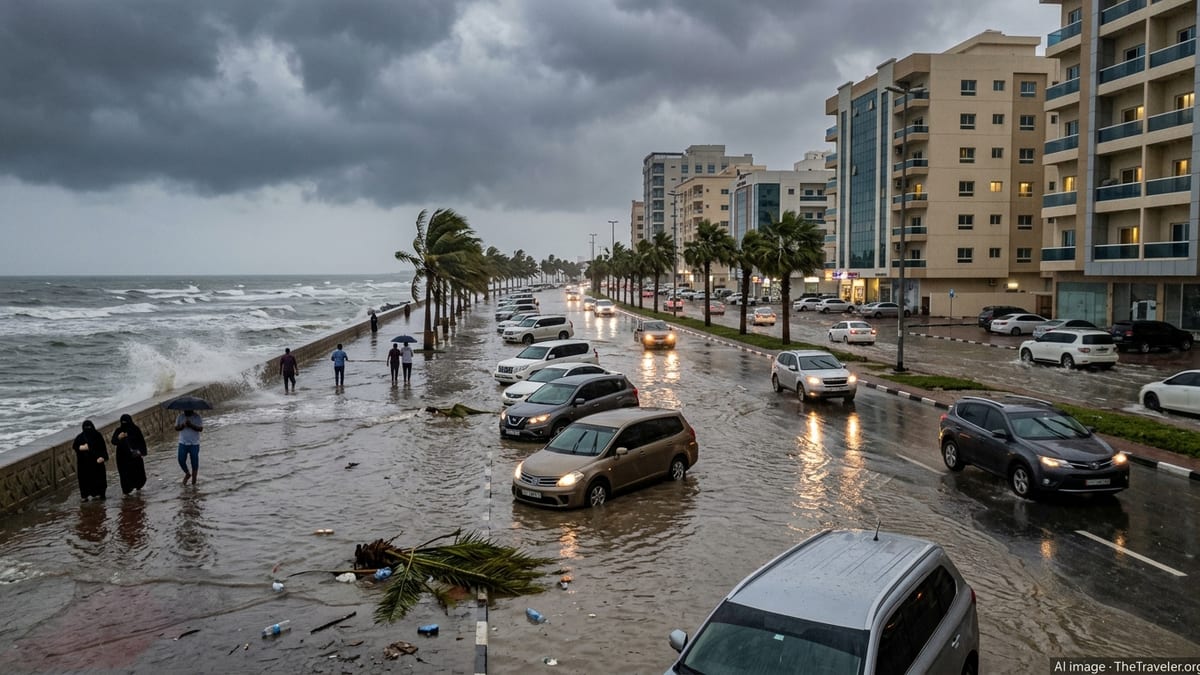
Rainfall rates put urban areas at higher risk
Recent forecasts for Chicago have highlighted the potential for intense rainfall rates, including pockets capable of producing around 2 inches per hour. That kind of short-duration rainfall can overwhelm storm drains quickly, especially in low-lying areas and places where water pools on streets and viaducts.
Published coverage this week has pointed to a multi-day pattern of showers and thunderstorms, with the heaviest downpours most likely in bands that set up repeatedly over the same neighborhoods. Local reporting has also noted flood risk zones along and north of Interstate 80 during some of the heaviest rounds.
Even when rainfall totals are not extreme regionwide, the Chicago area’s built environment can turn a brief cloudburst into rapid street flooding. Travelers should treat water-covered roadways as potentially deeper than they look, particularly at underpasses and on ramps where runoff funnels and collects.
Air travel disruptions extend beyond the storm window
Thunderstorms have already translated into major air-travel impacts in Chicago, with published coverage noting ground stops and lengthy delays at both O’Hare and Midway during recent morning storms. Once arrivals and departures stack up, delays can ripple for hours after the heaviest rain moves east.
More recent reporting indicated widespread cancellations at O’Hare during the latest round of heavy rain, while Midway also saw cancellations, though typically fewer. For travelers, the practical takeaway is that a stormy morning can affect afternoon and evening itineraries, including missed connections and limited rebooking options as flights fill.
Passengers with trips through Chicago should consider building extra connection time, checking airline alerts before leaving for the airport, and monitoring airport status for delay programs that can restrict arrival flow. Weather-driven disruptions can be intermittent, so the timing of one storm cell can matter as much as the overall forecast.
Commuters face ponding roads and potential service impacts
Heavy rain can complicate ground transportation quickly, particularly during peak commute windows. Recent local coverage described ponding on roadways and a rise in crash reports during the morning rush as rain moved through the region.
For drivers, the most important travel adjustment is avoiding routes that repeatedly flood. That can include underpasses, frontage roads, and low-lying intersections that are prone to water collecting when drains clog with debris. Travelers heading to the airports should also budget extra time for slower traffic and detours.
Transit riders should check real-time alerts before heading out, since service can be affected by weather-related track conditions and operational slowdowns. CTA posts rail and system alerts, and other regional operators provide service updates that can change quickly during active storms.
Basement backups and neighborhood flooding: what to know
In Chicago and many nearby communities, flooding impacts are not limited to streets and rivers. The Metropolitan Water Reclamation District of Greater Chicago distinguishes between overland flooding, when rainwater enters a home through doors or windows, and sewer backups, which typically come through floor drains or plumbing fixtures in basements.
Public guidance for residents emphasizes documenting damage for cleanup and recovery and contacting local municipal resources when seepage, basement backups, or overland flooding occurs. For City of Chicago residents, the CHI311 system is commonly used to report water-in-basement issues and related service requests.
For travelers staying in garden units, basement apartments, or older buildings, it can be worth asking ahead of time where water tends to enter during heavy rain, and keeping valuables elevated. In the moment, avoid walking through floodwater indoors or outdoors, where unseen hazards and contaminated water can pose additional risks.
How travelers can adjust plans during an active storm pattern
Chicago’s most disruptive storm impacts often come in short bursts, so planning around timing helps. If thunderstorms are expected overnight or during the early morning, travelers may have an easier time departing earlier than the peak storm window or shifting plans to periods when lightning risk is lower and rainfall is lighter.
For those already in the region, consider using flexible, indoor-friendly attractions when repeated storm rounds are in the forecast, and leave extra buffer time for commutes to museums, theaters, and stadium areas. Flooding concerns can also affect lakefront and river-adjacent paths where drainage is limited after a downpour.
Above all, treat weather warnings as a trip-planning variable, not background noise. When rainfall rates spike, conditions can change within minutes, and the safest choice is often to pause travel, reroute around flooded areas, and wait for the heaviest cell to pass before resuming plans.