


More news on this day
All flights at Guernsey Airport were cancelled for hours this week after a band of persistent fog cut visibility on the runway, forcing aircraft to divert, trapping passengers on and off the island and adding fresh strain to Europe’s already fragile summer travel network.
Get the latest news straight to your inbox!
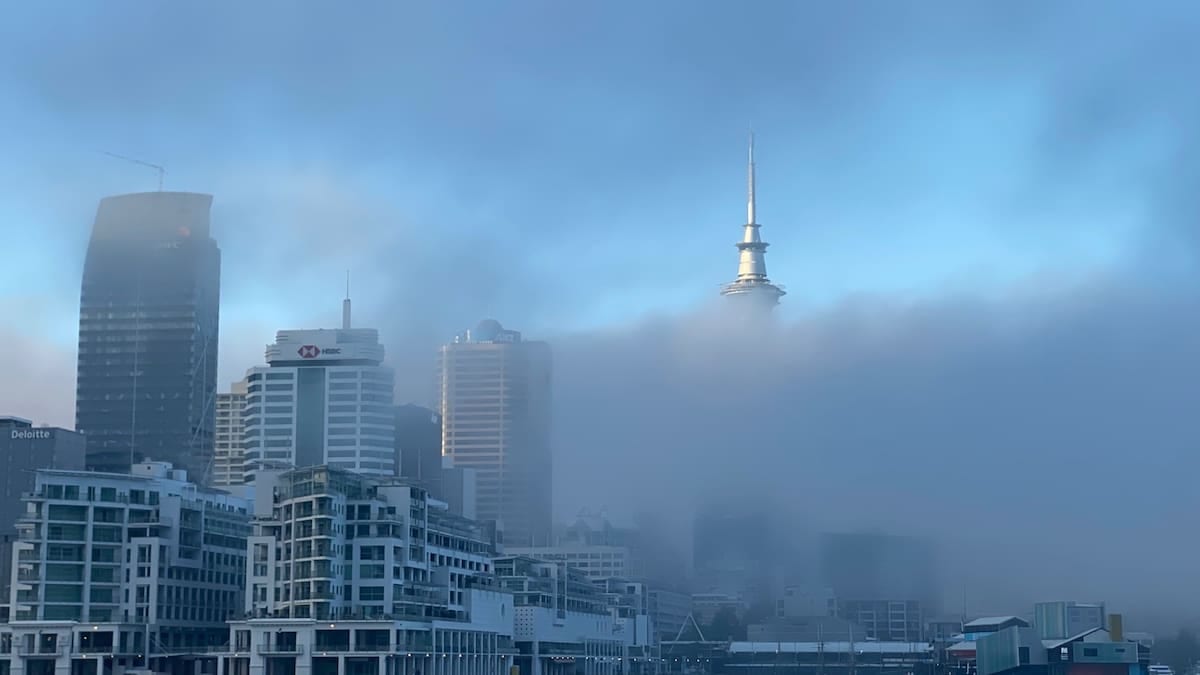
Dense fog shuts down Guernsey operations
According to published coverage, Guernsey Airport in the Channel Islands suspended all flight operations on Thursday evening after low cloud and fog reduced visibility below safe landing and takeoff limits. Services were halted across the schedule, with arriving aircraft diverting to the UK and outbound departures grounded as conditions deteriorated through the afternoon and into the night.
Reports indicate that all six Aurigny aircraft in service for the island were left out of position in the UK, compounding disruption as crews and planes could not return to Guernsey once flying was suspended. The suspension coincided with a peak travel window, amplifying the number of stranded passengers and complicating efforts to restore the timetable once conditions improved.
By early Friday, publicly available information showed ongoing delays as the airport attempted to restart operations, clear backlogs and rotate aircraft back to their usual bases. Travelers were advised to check flight status before leaving for the airport and to expect crowded terminals while revised schedules were put in place.
Stranded passengers face diversion and capacity pressures
Coverage from regional outlets describes passengers diverted to airports in southern England after their flights were unable to land in Guernsey. With hotel capacity on the island already tight at this time of year, reports from Guernsey Ports and tourism bodies noted significant pressure on available accommodation for those who had reached the island before the shutdown and suddenly needed an extra night’s stay.
Travelers held overnight on the mainland also faced capacity constraints, as short‑haul carriers worked through options to reprotect affected passengers on later services once the fog lifted. In several cases, airlines arranged coach transfers between nearby airports where aircraft had been diverted, a common tactic during extended weather disruptions when aircraft and crews are scattered across multiple locations.
Publicly available information from passenger rights platforms notes that when flights are cancelled because of adverse weather, airlines in Europe are generally expected to provide care such as meals, refreshments and, where feasible, accommodation, even if cash compensation does not apply. In island settings such as Guernsey, where ferry links and alternative airfields are limited, pressure on these support arrangements can escalate quickly when all flights are halted at once.
Why “persistent fog” can stop every flight
While modern airliners and many airports are equipped with advanced landing systems, aviation safety guidance highlights that dense, long‑lasting fog can still overwhelm infrastructure, especially at regional airports with more limited low‑visibility capabilities. When visibility falls below prescribed minima for a given runway and aircraft combination, services must be suspended until conditions improve, regardless of schedule pressure or demand.
Specialist aviation briefings and passenger‑rights resources point out that some airports, particularly smaller or coastal facilities, see recurring fog episodes during shoulder seasons, sometimes shutting down operations for hours or even a full day. Even where a handful of aircraft or crews are qualified for lower‑visibility approaches, a patch of persistent fog can reduce the arrival rate so sharply that it becomes operationally more efficient and safer to cancel or divert multiple flights rather than keep dozens of planes circling or queuing on the ground.
Recent research into cancellation patterns notes that when airports implement formal ground delay or ground stop programs in response to low visibility, the probability of a scheduled flight being cancelled rises significantly. For passengers, that often translates into clusters of cancellations across a short window, followed by several days of residual disruption while aircraft and crews are repositioned.
Knock-on impacts across the wider travel network
Guernsey’s shutdown is part of a broader pattern of weather‑related disruption in global aviation, where a single local constraint can send ripples across networks. Industry data and past case studies, from winter storms in North America to low‑visibility events at regional European airports, show that the loss of a relatively small hub for even a few hours can cause missed connections and aircraft shortages hundreds of miles away later the same day.
Airports that serve as primary gateways for tourism‑dependent regions are particularly exposed. When flights are cancelled into an island or coastal destination during the peak season, inbound visitors may lose valuable holiday time, while outbound residents face delays returning home or making onward long‑haul connections. Travel insurers and advisory services commonly urge travelers heading to fog‑prone locations to allow extra buffer time for onward rail or air travel, especially in autumn and early spring when temperature inversions are more frequent.
For airlines, a full stoppage at a base such as Guernsey can mean aircraft and crews end up scattered across multiple countries, requiring complex rescheduling. This can affect operations not only on the day of the fog event but also on subsequent days as rotations are rebuilt and maintenance windows are replanned.
What travelers can do when weather cancels all flights
Travel advice platforms and airline guidance emphasize that when all flights are cancelled due to weather, passengers’ best options are usually to act quickly within the communication channels offered by their carrier. Mobile apps and airline websites often provide the fastest way to rebook, sometimes offering self‑service tools to move to the next available flight without additional fees when the cause is outside the airline’s control.
In cases like the Guernsey fog disruption, where diversions to nearby airports are common, travelers may wish to consider alternative routings such as reaching nearby regional airports or ferry ports, if and when conditions allow. Publicly available information from consumer groups also recommends keeping receipts for any additional reasonable expenses, such as meals or overnight stays, in case partial reimbursement is available under airline policies or travel insurance.
With fog‑related groundings unlikely to disappear even as technology improves, today’s shutdown at Guernsey Airport underscores the ongoing importance for travelers of flexible planning, robust insurance cover and an understanding of how airlines typically respond when visibility drops and every flight on the board turns to cancelled.
Yahoo News: Flights cancelled due to persistent fog
Channel 103: Fog causes major disruption at Guernsey Airport
UK Met Office: Aviation low visibility procedures
UK Civil Aviation Authority: Delays and cancellations guidance