


More news on this day
Dense and persistent fog over Guernsey forced the cancellation of all Thursday evening flights, stranding passengers on and off the island and putting exceptional pressure on local accommodation and onward travel options.
Get the latest news straight to your inbox!
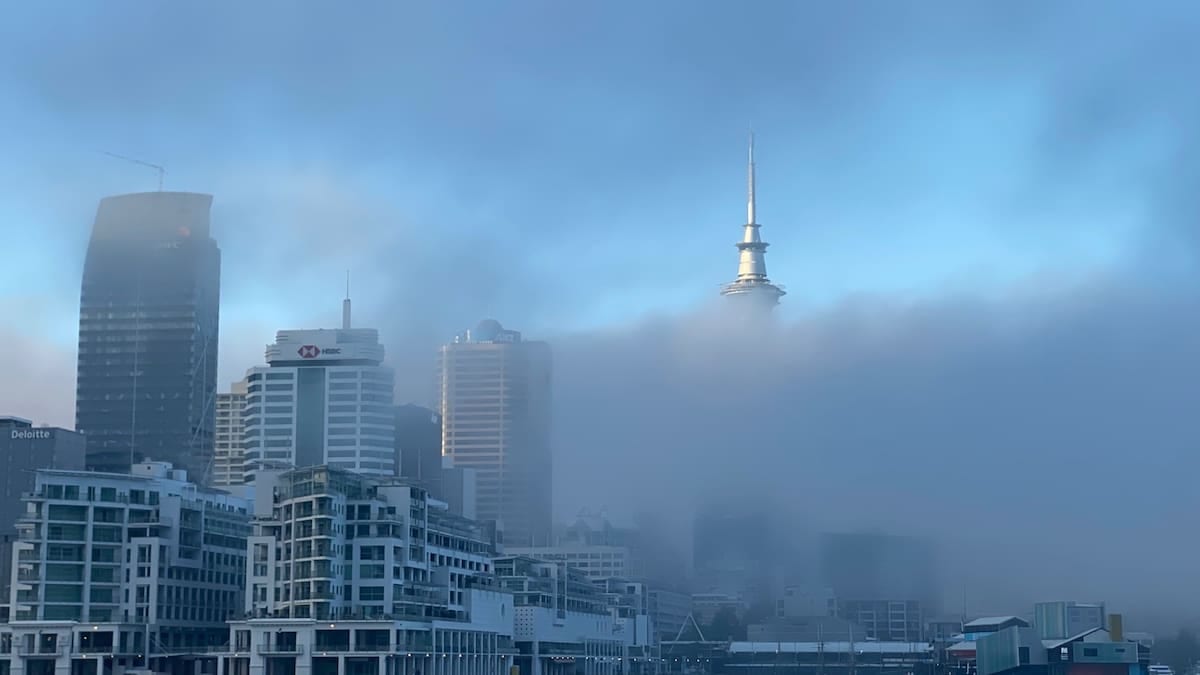
Evening operations halted as visibility collapses
Publicly available information from Guernsey Airport shows that flying became increasingly difficult on Thursday afternoon as a thick fog bank settled over the airfield and surrounding coastline. Arrivals were first diverted to airports in the United Kingdom before services were halted entirely later in the day.
According to published coverage, no flights were able to operate on Thursday evening, with the airport citing persistent fog as the reason all remaining departures and arrivals were cancelled. Disruption was forecast to continue into Friday, and passengers were advised to allow extra time for their journeys and to monitor airline channels closely for rebooking options.
Flight tracking data and local media reports indicate that the visibility issues developed during a busy late‑summer travel period, when Guernsey typically welcomes high numbers of visitors. The timing meant that many affected travellers were already on the island, contributing to crowded terminals and knock‑on disruption to ferry connections and regional services.
Airport updates described the episode as a continued weather event rather than a brief patch of radiation fog, with low cloud and reduced visibility lingering across the runway for much of the afternoon and evening. That persistence limited opportunities for even sporadic arrivals and forced airlines to divert or cancel rotations that would normally reposition aircraft for the following morning.
Stranded passengers face accommodation squeeze
Reports indicate that the fog‑related cancellations coincided with particularly strong demand for hotel rooms and guesthouses, leaving many stranded passengers struggling to find beds for the night. Guernsey Airport said it was working with the States of Guernsey, Guernsey Ports, Visit Guernsey and airlines to support travellers and secure overnight accommodation where possible.
Local news coverage describes emergency contingency procedures being activated to offer assistance to those unable to secure their own lodgings. With many properties already full for the peak season, the task of placing large numbers of disrupted visitors added a further layer of complexity to the operational challenge at the airport itself.
Travelers whose inbound flights were diverted to UK airports also faced logistical difficulties, including unexpected overnight stays away from home and the need to rearrange connecting rail or air journeys. For short‑break visitors to the Channel Islands, the loss of a night or more to weather disruption can significantly alter the value of the trip, especially when return flights are already heavily booked.
Background data from European punctuality reports show that while weather is a routine driver of flight delays, widespread cancellations at a smaller regional airport can have outsized impacts on local tourism economies. When accommodation capacity is already stretched, even a single evening of lost flights can ripple through restaurants, tour operators and transport providers for several days.
Ongoing disruption into Friday morning
By early Friday, publicly available information from Guernsey‑based outlets showed that disruption was still affecting schedules, even as conditions gradually improved. Several aircraft from local carrier Aurigny were reported to be out of position in the UK after diverting on Thursday, limiting the airline’s ability to restart normal operations at first light.
Airport departure boards on Friday morning displayed a mix of delays and altered timings as airlines worked to move aircraft back to the island and clear the backlog of passengers. Travelers were urged via media reports and online channels to verify the status of their flights before travelling to the airport and to be prepared for busy check‑in and security areas.
Coverage in regional media underlined that capacity constraints would likely persist beyond the initial weather window, because crew duty‑time limits and aircraft rotations had been disrupted. Even once visibility returned to safe operating levels, airlines faced a complex puzzle of repositioning aircraft, accommodating missed connections and managing customer service demands.
For some affected passengers, especially those on short leisure breaks, the combination of cancellations and limited alternative capacity meant trips were curtailed or abandoned altogether. Others opted to reroute via alternative airports or ferry services, adding time and cost to their journeys but restoring some certainty to their plans.
Fog‑related disruption also hits other Mediterranean gateways
The Guernsey cancellations came as several other airports reported significant fog‑related disruption in early September. In Spain, travel media and regional newspapers detailed how a dense band of sea fog, known locally as taró, blanketed Málaga Costa del Sol Airport on Friday, cutting visibility and forcing air traffic control to activate low‑visibility procedures.
According to flight‑tracking data cited in those reports, Málaga saw widespread delays with some cancellations and diversions as arriving aircraft were held or rerouted. The episode highlighted that even sun‑drenched Mediterranean gateways can experience sudden fog intrusions when moist marine air meets cooling land surfaces, particularly at the transition from peak summer heat.
Similar conditions were reported in Cyprus, where Larnaca Airport briefly diverted several arrivals to Paphos due to a combination of fog and dust reducing visibility on the approach. In that case, normal operations resumed relatively quickly once the fog lifted, illustrating how local geography and weather patterns influence both the onset and duration of low‑visibility events.
Data from European punctuality analyses show that fog remains a recurring factor in airport delays and cancellations, particularly at coastal and low‑lying airfields. While many major hubs have advanced instrument landing systems designed to keep some traffic moving in poor visibility, smaller airports can reach operational limits more quickly when cloud descends to runway level.
What travellers can do when fog grounds flights
Travel industry guidance and historical disruption patterns suggest several practical steps for passengers caught up in fog‑related shutdowns. The most consistent advice is to stay closely informed through airline apps and airport websites, which typically update flight status information more quickly than third‑party booking engines or general search results.
When all flights are cancelled for the remainder of the day, rebooking options can be constrained by aircraft and crew availability. Travellers holding flexible tickets or those booked through agents with 24‑hour support often have an advantage in securing alternative routings or later departures before remaining seats sell out.
Accommodation is another critical consideration in island or resort destinations where hotel capacity is finite. Publicly available information from recent events in Guernsey indicates that local authorities, tourism bodies and airlines may coordinate to provide emergency support, but visitors are still encouraged to act quickly to secure rooms if they know they will be staying overnight.
Industry data and academic research on European airports show that while long‑lasting fog events have become somewhat less frequent at some locations over recent decades, they continue to pose a disruptive risk, particularly in late autumn and winter. The early‑September episode affecting Guernsey and other airports serves as a reminder that even outside the traditional fog season, rapid changes in coastal weather can still bring commercial aviation to a standstill.