


Port days on an Alaska cruise can feel like a high-stakes puzzle: limited hours ashore, dozens of tempting excursions, and rapidly changing weather and wildlife conditions. With a bit of strategy, you can turn that pressure into some of the most memorable days of your trip, focusing on the experiences that matter most to you instead of trying to do everything.
Get the latest updates straight to your inbox!
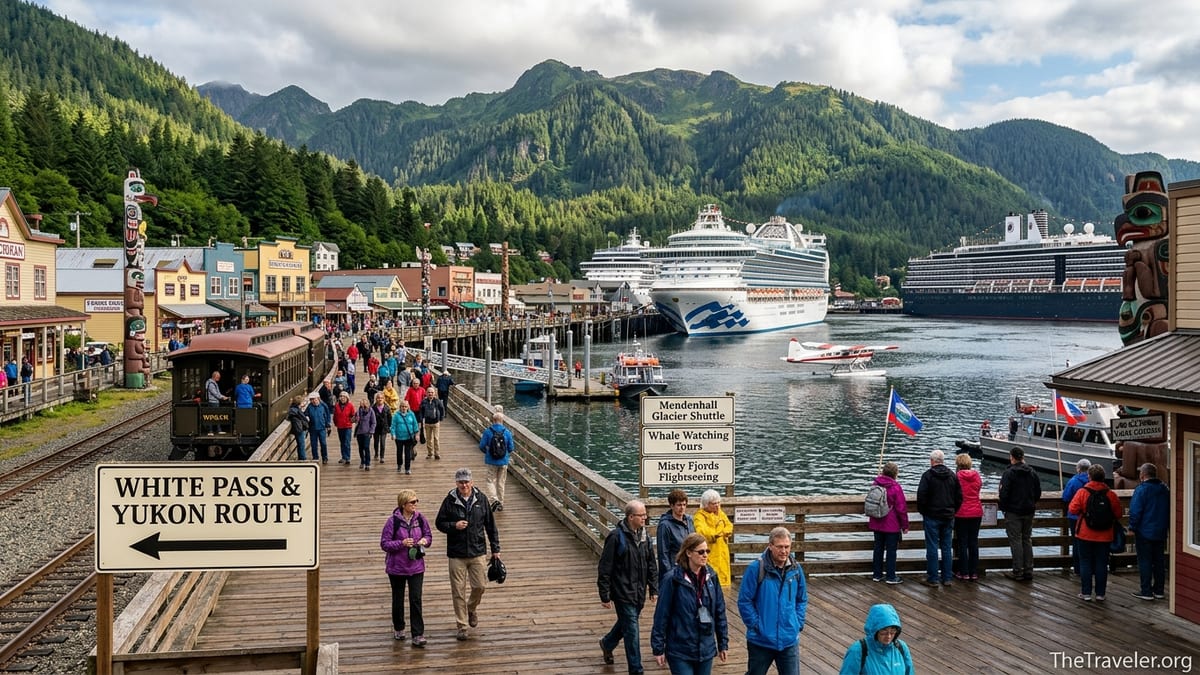
How Alaska Cruise Port Days Work
Before you choose excursions, look closely at your daily cruise schedule. Note the posted arrival and all-aboard times for each port, and remember that actual time on shore is shorter. Ships often need 20 to 40 minutes after docking to clear local authorities and open gangways, and all-aboard is usually set at least 30 minutes before departure. Late changes for tides, weather or congestion are common in Southeast Alaska, so build a buffer when booking anything on your own.
Every port can have multiple berths, sometimes several miles apart, and cruise lines may use more than one in a season. That affects how long it takes to reach downtown or independent tour meeting points. In Juneau and Ketchikan, for example, some ships dock a short walk from town, while others use piers that require a shuttle operated by the port or cruise line. Check your cruise line’s port map and pre-cruise documents so you know whether you can walk off and start exploring or need to factor in extra transfer time.
Cruise-line-organized excursions come with one key advantage: if the ship’s schedule changes or weather cancels a tour, you are usually automatically refunded, and the ship coordinates late-running groups. Independent operators in Alaska work closely with cruise schedules and typically offer “ship missed” guarantees or refunds when a port call is cancelled, but policies vary. Read the fine print and confirm that your tour’s start and end times give you at least 60 minutes of margin before all-aboard, especially if it involves a longer coach ride or small-boat trip.
When it comes to price, you will usually pay more for a cruise-line excursion than a comparable independent tour, particularly for whale watching and city-and-glacier combinations. The trade-off is simplicity and peace of mind. Independent tours often mean smaller groups, more flexible itineraries and slightly lower prices, but require you to manage timing and meeting points yourself. For high-demand experiences such as helicopter landings on glaciers, Misty Fjords flightseeing or the Icy Strait Point zip line, book well in advance for peak months from late June through August, whether through the ship or on your own.
Juneau: Glaciers, Whales and Easy DIY Exploring
Juneau is Alaska’s capital and one of the most activity-rich ports on a typical Inside Passage itinerary. The star attraction is Mendenhall Glacier, about 12 miles from downtown in a U.S. Forest Service recreation area. Visitors typically reach it on permitted shuttle buses, combined glacier-and-whale tours, taxi or rental car. Transit from the cruise docks is roughly 25 to 35 minutes each way, and most glacier visits run three to four hours, which fits comfortably into a full port day if you leave time for downtown wandering.
At the glacier area itself, most cruise passengers explore from maintained trails and viewpoints such as the paved walk to Nugget Falls and short loops near the visitor center. Access policies can shift as the glacier and lake change, and some routes or lakeshore areas may close temporarily for safety or restoration. If you plan more ambitious hiking on trails like West Glacier or East Glacier, check the latest U.S. Forest Service and local advisories shortly before you sail and again a day or two before your port call, as conditions, flooding concerns and fee structures have been under review.
Whale-watching cruises from Juneau operate in nearby channels and typically last about three to four hours dock to dock, often timed so that a bus collects you directly at the cruise pier. Many operators advertise very high chances of humpback sightings during the main season, with orcas seen less predictably. Motion on the water can be noticeable on windy days, so travelers prone to seasickness should choose larger, more stable boats, bring medication and avoid back-to-back small-boat tours in different ports.
Juneau’s downtown is compact and easy to explore on foot from most berths once you navigate past the immediate souvenir zone. You can fill a low-cost half day with the state museum, local galleries, historic streets and short walks to viewpoints, leaving your pricier experiences for other ports. As of late 2026, the Mount Roberts Tramway above downtown has been undergoing extended maintenance and certification work, so check its current operating status before you assume it will be available. For Juneau, expect to see a wide price range: budget experiences like shuttles and self-guided hiking, mid-range whale or glacier tours, and premium-priced helicopter and seaplane trips that require moderate mobility and confidence with heights and small aircraft.
Skagway: Gold Rush History and Mountain Scenery
Skagway combines one of Alaska’s most famous historic rail journeys with a remarkably walkable frontier-style town. The White Pass and Yukon Route railway runs seasonal sightseeing trains from late spring through early autumn, climbing from sea level up through the mountains toward the Canadian border and beyond. Schedules and exact endpoints can vary by year and by excursion, but most rail trips for cruise passengers run between three and four hours and depart a short walk or brief shuttle ride from the cruise piers.
These rail excursions are suitable for most mobility levels, as you remain seated or move around the train car. They do involve heights and narrow mountain ledges, so travelers with strong fear of heights may prefer a lower-elevation coach tour along the Klondike Highway. Bus-based scenic and history tours typically last two to four hours, stopping at viewpoints and historic markers, and sometimes crossing into Canada when border formalities and road conditions allow. Bring a passport if your chosen tour lists any cross-border component.
For more active visitors, Skagway offers guided hiking, biking and combo tours that mix short treks with either rail or road transfers. These can range from easy nature walks suitable for families to more demanding trails with steeper grades and uneven footing. Plan half a day for an active excursion and leave at least an hour or two to enjoy Skagway itself: the historic district, small museums and local shops lie within walking distance of most docks, although some piers are farther and may require a shuttle or a longer walk along the waterfront.
Prices in Skagway also fall into clear tiers. The iconic train trips are usually in the mid to premium range compared with other port activities, coach tours slightly less, and self-guided town exploration the most economical. Anyone sensitive to motion or altitude should consider where along the spectrum they feel comfortable: train and bus rides include long stretches on cliff-side routes, while hiking and biking demand basic fitness and stable footwear but keep you at more moderate speeds in the open air.
Ketchikan: Misty Fjords, Totem Culture and Salmon Season
Ketchikan brands itself as Alaska’s “First City” and sits in the heart of a rainforest, so expect frequent drizzle and clouds along with vivid green scenery. The standout excursion for many visitors is a visit to Misty Fjords National Monument, a vast protected wilderness of steep cliffs, waterfalls and inlets reached by small boat or floatplane. Boat tours usually take about four to five hours round trip, while flightseeing is shorter, often around two hours from check-in to return, with time in the air closer to 60 to 90 minutes depending on the exact itinerary.
Access to Misty Fjords is carefully managed, with designated air and water routes and landing areas controlled by federal permits. Multiple companies based in Ketchikan operate within those rules, using both fixed-wing floatplanes and larger catamarans or expedition-style vessels. Because the monument is remote and conditions change rapidly, flights in particular are weather dependent; cancellations for low visibility are common, and reputable operators will refund or rebook when safety is in question. If this is your “big splurge,” plan it for a port day with a reasonably long call and be mentally prepared for a backup plan in town in case flights cannot operate.
Closer to the docks, Ketchikan is known for its totem heritage and salmon runs. Excursions to totem parks and village sites introduce you to Northwest Coast art, carving traditions and cultural stories, and are typically two to three hours with minimal walking on mostly level paths. During salmon season, usually in mid to late summer, you can observe fish moving upstream at hatcheries or creeks near town, and some tours mix wildlife viewing with gentle hiking. Fishing charters are widely available for those willing to spend a half or full day on smaller boats with variable sea conditions.
DIY exploring in Ketchikan is straightforward when your ship docks near downtown: Creek Street, local museums, galleries and short viewpoints are reachable on foot with reasonable mobility. Some newer berths sit a few miles away and require a shuttle ride before you can walk the historic core, so check your pier assignment and any shuttle schedule your cruise line provides. Costs range from low for self-guided walks and local museums, through mid-range for totem and wildlife excursions, up to premium for Misty Fjords flightseeing and intensive fishing trips that require good weather tolerance and balance on boat decks.
Sitka: Coastal Wildlife, History and Walkable Trails
Sitka, set against volcanic peaks and forested islands, offers a blend of Russian-era history, Indigenous culture and rich marine wildlife. Unlike some other ports, Sitka’s cruise ship terminal is a few miles from downtown, with regular shuttles connecting the pier to the visitor center area. Plan for that transfer when timing independent tours or DIY walking days, and expect a largely compact, pedestrian-friendly center once you arrive.
Marine wildlife and seabird excursions are among Sitka’s highlights. Small-boat tours head into surrounding waters in search of whales, sea otters, puffins, eagles and coastal scenery. Trips generally last two to four hours and often involve open-air viewing decks as well as cabin seating. Motion can be moderate on choppy days, so anyone prone to seasickness should look for slightly larger boats, sit near the center of motion and avoid scheduling another long boat tour in the next port if that feels overwhelming.
On land, Sitka National Historical Park offers maintained forest trails, totem poles and interpretive exhibits within walking distance of downtown shuttle stops. The paths are mostly flat and suitable for a wide range of mobility, making this a good low-cost or free option if you prefer an easy pace. Guided cultural experiences with local organizations add context on Tlingit history, Russian influence and the complex story of colonization in this region; these tours are usually a half day or less and focus on standing and light walking.
For more active travelers, guided hikes on nearby forest and coastal trails provide a chance to experience Tongass National Forest away from crowds. These outings vary in difficulty from moderate to strenuous, with roots, rocks and wet boardwalks common. Prices in Sitka tend to be mid-range for cultural and hiking experiences, with wildlife cruises and private charters edging higher. If you want a day without major expense, combining the national historical park, town walking and a small museum or two offers strong value in a typical six to eight hour call.
Regardless of which activities you choose, verify current trail and wildlife guidelines close to your sailing date. Bear activity, seasonal restrictions and trail maintenance projects can temporarily change what is safe or open, and local visitor information centers are often the best source for up-to-date detail.
Icy Strait Point & Hoonah: Wildlife, Zip Lines and Local Culture
Icy Strait Point, near the Tlingit community of Hoonah, was purpose-built as a cruise destination by a local Native corporation and has grown into a major stop for wildlife and adventure experiences. The setting is remote by design, with the cruise docks adjacent to a restored cannery complex, forested slopes and a shoreline rich in marine life. Many excursions begin within walking distance of the pier, while others shuttle you a short distance to trailheads or viewing areas.
Whale watching is a signature offering here, thanks to nutrient-rich nearby waters that support regular humpback activity in season. Small- to mid-sized boats depart near the cannery complex and usually spend two to three hours on the water. Operators commonly emphasize respectful wildlife viewing distances and adhere to federal marine-mammal regulations. Motion on these tours can be noticeable, but runs tend to be shorter compared with some longer open-water trips in other regions, which may appeal to those who want a wildlife focus without committing to a full half-day offshore.
For adrenaline seekers, the mountain-to-sea zip line at Icy Strait Point, often branded with superlative length and speed, sends riders from a high ridge down toward the shoreline at highway-like speeds on multiple parallel cables. Reaching the launch point requires a gondola or vehicle transfer uphill, followed by harness fitting and safety briefing. The full experience typically takes a couple of hours from check-in to return and requires comfort with heights, secure harnesses and a steep high-speed descent. Those with mobility issues or strong fear of heights should consider scenic gondola rides or ground-based viewpoints instead.
Beyond thrills and whales, Icy Strait Point emphasizes cultural and heritage experiences created and led by local residents. Performances, storytelling, culinary demonstrations focused on salmon and subsistence foods, and guided forest and village walks offer a slower, more immersive way to spend a port day. Many of these activities fall in the budget to mid-range price tier and involve light walking and standing. When choosing how to spend your time here, consider combining one premium adventure like the zip line or a whale tour with a cultural program to support the local community and gain a more rounded sense of place.
Glacier Bay, Hubbard Glacier and Other Scenic Days
Some Alaska itineraries include a full or partial day of scenic cruising in Glacier Bay National Park, Hubbard Glacier or other glacier-filled fjords. On these days, passengers remain on board, but the experience is a highlight of the voyage. In Glacier Bay, park rangers often join the ship to provide commentary and set up informal interpretive stations, while in other glacier areas the onboard team handles narration. Glaciers can shed ice into the water and wildlife may appear suddenly, so having binoculars, multiple warm layers and a plan for where you want to view from on the ship makes a real difference.
Although you do not disembark in these areas, you can sometimes book add-on experiences that connect with scenic days from preceding or following ports. For example, some lines offer small-boat explorations or kayak trips near certain glacier-front waters, operating from nearby communities or via ship-based platforms where allowed. These offerings change as regulations, ice conditions and safety assessments evolve, so treat your cruise line and any partner expedition companies as the authoritative source on what is possible in a given year.
On a more everyday level, use scenic days to rest between active port calls and to review logistics for upcoming stops. Confirm your independent tour meeting points, check weather forecasts for the next ports and talk with the shore excursion desk or guest services about any schedule updates. With long daylight hours in the core Alaska season, it is easy to underestimate how tiring multiple early mornings, long excursions and late sunsets can be. A quieter day on board can help you enjoy the next round of hikes, whale-watching trips or cultural visits more fully.
If your itinerary lists lesser-visited ports such as Haines, Wrangell or Petersburg, you will likely find a similar pattern of offerings scaled to smaller communities: a mix of wildlife tours, guided hikes, cultural programs and low-key town exploration. Because departures are less frequent, independently booked activities in these ports may require especially close attention to timing and cancellation policies, as weather and sea conditions can have outsized impacts on small operators.
DIY Time Ashore, Logistics and Responsible Travel
Not every port day needs to revolve around a structured excursion. In many Southeast Alaska ports, simply walking the historic core, visiting local museums and following a short coastal or forest trail near town can create a satisfying, low-cost day. The key variables are where your ship docks, how often port shuttles run and how comfortable you are managing your own timing. Before you sail, review port maps from your cruise line, and once on board, ask the shore team to clarify distances and shuttle details for each stop.
When you do book independent excursions, look for clear meeting point descriptions that match your berth area, stated maximum group sizes, and explicit policies about refunds if the ship misses port or arrives significantly late. Most established operators in Juneau, Ketchikan, Skagway, Sitka and Icy Strait Point understand cruise timing and offer flexible terms, but each company structures them differently. Paying by credit card and keeping confirmation emails accessible offline on your phone makes it easier to resolve any issues that arise.
Culturally, Southeast Alaska is home to diverse communities, including many Indigenous peoples whose histories and livelihoods are directly tied to the land and waters you are visiting. Prioritizing locally owned and Indigenous-owned tours, galleries and restaurants helps ensure that more of your spending remains in the region. Respect local guidance on wildlife viewing, including marine mammal distances, and follow all instructions from guides regarding bears, slippery rocks, fast-moving creeks and unstable shorelines. Selfie spots can be more dangerous than they appear; cold, swift water and wet mossy rocks leave little margin for error.
Environmental conditions and regulations are actively evolving, especially around heavily visited sites like Mendenhall Glacier, popular bear-viewing areas and protected marine habitats. If your plans hinge on a specific trail, activity or flightseeing route, check for the most recent advisories from official park, forest or local government sources shortly before travel and again on board through the ship’s port briefings. When in doubt, treat your plans as a framework rather than a fixed script, and keep a flexible backup such as a museum visit or town walk in mind.
Choosing Themes Instead of Chasing Every Excursion
With multiple ports over a week and a finite budget, it helps to think in themes instead of isolated activities. The main pillars of a classic Alaska cruise experience are glaciers, wildlife, history and culture, and a sense of adventure. You do not need to tick each box in every port; in fact, repeating similar excursions can dilute their impact and strain your schedule and finances without adding much.
One approach is to pick a primary focus for each major stop. For example, you might prioritize glaciers in Juneau with a Mendenhall visit or helicopter tour, then lean into Gold Rush history and mountain scenery in Skagway, explore totems and rainforest in Ketchikan, choose wildlife and trails in Sitka, and combine whales with cultural programs at Icy Strait Point. Layer in one or two bigger-ticket experiences across the whole itinerary, such as Misty Fjords flightseeing or a premium whale-and-glacier combo, instead of splurging in every port.
As you allocate time and money, be realistic about your energy level, mobility and tolerance for motion and heights. If you are uneasy on small boats, choose one standout wildlife cruise and focus the rest of your ports on land-based activities. If steep drop-offs and chairlifts unsettle you, enjoy town walks, totem parks and low-elevation trails rather than mountain trams or zip lines. Families with young children may prefer shorter tours with easy bathroom access and chances to move around, while avid hikers can build their days around longer guided treks and use onboard time for recovery.
Most of all, accept that you cannot do everything on a single cruise, and that is part of the magic. By setting a clear theme for each port, booking a mix of guided and DIY experiences, and staying flexible about weather and conditions, you give yourself room to be present when the real highlights happen: a sudden whale breach, a shaft of sunlight on blue glacier ice, or a story shared by a local guide that stays with you long after you sail away.