


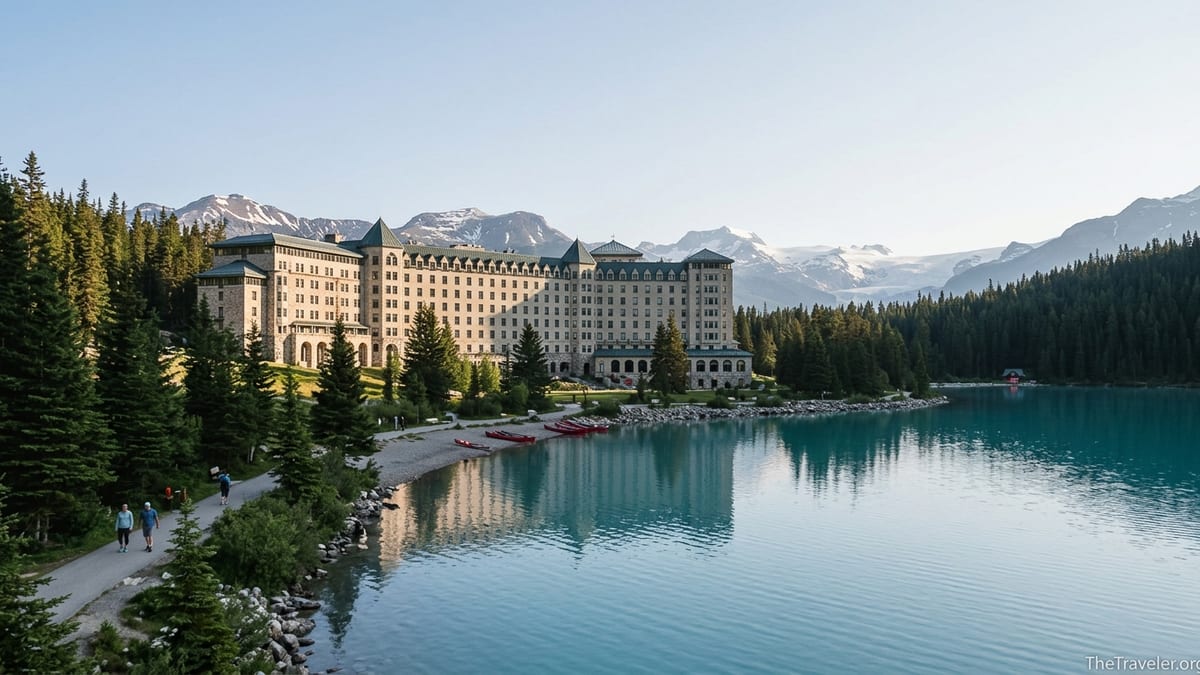
Fairmont Chateau Lake Louise is one of those bucket-list hotels that lives rent-free in travelers’ imaginations: a grand, historic resort framed by emerald water and glaciers in the heart of Banff National Park. It can also be one of the most expensive and logistically confusing places you will ever try to visit. Between dynamic room rates, national park rules, strict parking controls, and ever-changing shuttle systems, it is very easy to overpay, under-plan, and walk away wondering if it was really worth the hype. This guide is designed to help you visit or book Fairmont Chateau Lake Louise without regret, using up-to-date local realities and concrete examples so you know exactly what you are getting into.
Get the latest updates straight to your inbox!
Know What You Are Really Paying For
The first key to a regret-free stay at Fairmont Chateau Lake Louise is understanding what drives the price. You are not just paying for a bed. You are paying for unobstructed access to one of Canada’s most famous views, the ability to step out to the lakeshore at sunrise or after the tour buses leave, and the services of a large full-service resort in a remote alpine location. Standard rooms can fluctuate widely depending on season, events, and demand. It is common to see midweek winter rates around the mid-300s in Canadian dollars for an entry-level room if you book early, while peak July or August weekends can jump into the 900 to 1,200 Canadian dollar range or more for lakeview categories, especially if you are booking late.
Those numbers do not include the additional costs that often surprise guests. You will still need a Parks Canada pass for every day you are in Banff National Park, which is charged per vehicle or per person depending on the product you purchase. Parking at the hotel is also extra if you bring a car, and food and drinks at resort restaurants are priced at typical upscale Canadian resort levels. A casual dinner for two with mains and a drink in the Alpine Social or similar venue can easily land in the 80 to 120 Canadian dollar range before tax and tip. Understanding these layers in advance will help you decide whether staying in-house or sleeping in nearby Lake Louise village or Banff and just visiting the property for a few hours better matches your budget.
Crucially, you are also paying for flexibility. Someone who is content with a quick daytime stop can simply ride a shuttle or tour bus to the lakeshore and walk past the hotel. Someone who wants to skate under the stars in January, photograph alpenglow on the peaks from their window, or escape the mid-day crowds in their room needs to factor that value into the price. Being honest with yourself about whether you will use those benefits keeps expectations realistic and regret at bay.
Choose Your Season With Eyes Wide Open
Many disappointments at Chateau Lake Louise come from mismatched expectations around seasonality. The lake does not turn that famous milky turquoise until roughly late June most years, once the ice has melted and glacial silt is suspended in the water. Travelers who spend thousands to come in early May are often surprised to find a frozen, snow-covered lake that looks more like an alpine meadow than the postcards they have seen. On the other hand, those willing to embrace winter can skate on a groomed rink in front of the hotel, walk among ice sculptures during the Ice Magic-style events some years, and enjoy far lower crowds than in high summer.
From a cost perspective, shoulder seasons are where savvy travelers often find the best value. April and early May, before the main summer hiking season and before the lake fully thaws, often see softer room rates and more frequent promotions. Late October into early November similarly offers quieter trails and lower prices, though you may encounter mixed conditions: snow on the ground, ice on the lake, and some closed trails. If your priority is a specific activity, plan accordingly. For example, hikers focused on the teahouse trails above Lake Louise might aim for late July through September when snow is less likely to close higher routes. Cross-country skiers and snowshoers, on the other hand, might prefer January or February when winter operations are in full swing and the lakeshore is transformed into a snowy amphitheatre.
Crowd levels follow a predictable pattern. Midday on a sunny July or August day can feel more like an urban plaza than a remote alpine lake, with day trippers, tour buses, and shuttle riders all converging on the shoreline. Guests who time their stay to capture early mornings and late evenings often say the cost feels far easier to justify, precisely because those quiet hours are when the area feels as wild and serene as the promotional photos suggest.
Understand Parking, Shuttles, and Park Rules Before You Book
One of the fastest-growing sources of frustration for visitors around Lake Louise is transportation. Banff National Park has introduced strict controls on private vehicle access in response to overwhelming demand, especially to nearby Moraine Lake, which is no longer open to personal vehicles and must be accessed by shuttle, transit, or approved commercial operators. This creates a situation where having a room at Fairmont Chateau Lake Louise does not automatically solve all your transport headaches, particularly if you plan to visit both lakes in a single day.
If you are staying at the Chateau and arriving by car, factor in several separate elements. First, you will need a valid Parks Canada entry permit for the dates of your stay. Second, if you plan to drive, the hotel will charge daily parking, typically with a premium for valet over self-parking. Guests sometimes assume their room key will let them bypass broader area controls, but the national park enforces its own rules at the access roads and lakeshore lots, which can fill very early and now often require payment and strict time windows. Being a hotel guest does not guarantee you space at public lakeshore lots if those are separately managed by Parks Canada.
To area visitors who are not hotel guests, the situation is even more sensitive. Parks Canada and local partners have shifted more people to shuttles that depart from the Lake Louise Park and Ride near the ski resort base. The details change year to year, but the pattern remains consistent: you park at the Park and Ride, show your shuttle reservation, and ride to Lake Louise, Moraine Lake, or both via a connector system if your ticket allows. It is common to see early morning time slots book up very quickly on busy summer days. Travelers flying in from overseas without mobile data who assume they can simply drive directly to Moraine Lake or find lakeshore parking on arrival are often turned around by rangers, which is a surefire way to sour a long-anticipated trip.
Build extra time into your days and double-check, shortly before you travel, the latest rules for parking, shuttle reservations, and park admission. If your budget allows, look at commercial shuttle operators that run direct services from Banff or from hotels in Lake Louise village. For some travelers, particularly those who dislike early-morning logistics or complex booking systems, paying a bit more for a private or semi-private shuttle can be a worthwhile hedge against disappointment.
Deciding Whether to Stay at the Chateau or Nearby
Not everyone needs to sleep in the castle on the lake to feel they have experienced it. For some, a regret-free trip involves allocating money to activities instead of a deluxe room. Banff townsite, about 45 minutes away by car, offers a wide range of hotels, from national chains with simple rooms to boutique properties with hot springs-inspired spas. The hamlet of Lake Louise, a short drive downhill from the lake itself, has several lodges and small hotels that are typically more affordable than the Chateau, along with a small commercial center with a grocery store and a handful of restaurants.
Consider a couple flying in from Toronto in mid-September. They might find a lakeview room at the Chateau priced around 900 Canadian dollars per night for a weekend, plus parking and dining. Alternatively, they could book a comfortable room at a hotel in Lake Louise village for roughly half that price and visit the Chateau for afternoon tea, drinks on the Lakeview Lounge terrace, or a guided hike with local operators. That second option might free up several hundred dollars for a photography tour, a full-day excursion to the Icefields Parkway, or a massage and thermal circuit at the new Basin Glacial Waters spa located at the Chateau, which accepts non-staying guests subject to availability.
On the other hand, there are compelling reasons to stay on-site. Families with young children may appreciate being able to retreat to their room for naps without a 20-minute drive back to the village. Winter visitors arriving without a car can benefit from having food, rentals, and activities in one building rather than walking along dark or snowy roads. Photographers chasing sunrise alpenglow or aurora borealis on short notice have an unbeatable location by being able to step outside within minutes. Reflect on your travel style: if you tend to be out exploring from dawn to dusk and only use your room to sleep, a base in the village or in Banff might give you more trip for your money. If you crave long, quiet hours in a view-heavy lounge with a book, the Chateau’s premium price may feel much easier to justify.
Plan Around Food Costs and Options
Dining can be another source of regret if you arrive unprepared for resort pricing and limited alternatives. Fairmont Chateau Lake Louise has multiple on-site restaurants and bars, ranging from the refined Fairview Bar & Restaurant to the more relaxed Alpine Social, Lakeview Lounge, and grab-and-go options at the Guide’s Pantry. Menus change seasonally, but you can expect pricing in line with upscale Canadian city restaurants, layered with the realities of remote supply chains. A main course at a sit-down venue can commonly run in the 30 to 50 Canadian dollar range, cocktails in the high teens, and specialty coffees slightly above typical chain café prices.
For some guests, that is part of the experience. A sunset dinner in Fairview with lake views, prairie beef or local trout on the plate, and Canadian wine in the glass often becomes a highlight memory that feels worth the indulgence. For others, especially families or longer-stay guests, paying those prices for every meal quickly becomes unsustainable. The fix is to plan a mixed approach. Stock up at the grocery store in Lake Louise village or in Banff on your way in, and use the in-room mini fridge to keep snacks, breakfast items, or picnic supplies cold. Many travelers choose to have one special dinner at the Chateau, then eat more casual meals in the village or pack lunches for hiking days.
Breakfast deserves special mention. Guests sometimes assume breakfast is automatically included because of the hotel’s luxury status, only to be surprised at check-in. Some promotions bundle breakfast or resort credit, but many base rates do not. A buffet breakfast in the main restaurant can add a noticeable amount per person per day to your bill. If you do not typically eat large breakfasts, grabbing a pastry and coffee from the café and saving your appetite and budget for lunch or dinner can help keep costs in check without feeling deprived.
Avoiding Common Booking and Room-Type Regrets
Many negative reviews of Fairmont Chateau Lake Louise come down to one problem: guests booked the cheapest available room during the busiest period, assumed they would get a sweeping lake view and modern finishes, and were disappointed by a smaller, more traditional space overlooking the parking lot or forest. The hotel occupies a historic building with several wings and a variety of room types. Entry-level “Fairmont” or “Fairmont Mountain View” rooms are often compact by North American standards, with more classic decor. Lakeview rooms, suites, and Fairmont Gold floors sit higher or in better-positioned parts of the building and are priced accordingly.
Before you commit, look closely at the room description. If it does not explicitly say “lake view,” assume you will not see the lake from your window. Mountain-view rooms can still be beautiful, facing forested slopes and peaks, but they do not offer the iconic turquoise water and glacier combination. If your dream involves drinking coffee in bed while looking at the lake, you may want to reduce the length of your stay by a night or two and book a true lakeview room rather than stretch your budget across several nights in a viewless category. Conversely, if you plan to spend your daylight hours hiking and only sleep in the room, choosing a non-view room can save hundreds per night.
Pay attention to cancellation policies, particularly if you are booking during festival periods, major holidays, or special events. Nonrefundable advance purchase rates can be tempting, but mountain weather, smoke from regional wildfires, or changes in park regulations can affect plans. A flexible rate with a realistic cancellation window may be a smarter choice, even if it costs slightly more, especially for international travelers who are not protected by domestic consumer laws. Finally, once booked, consider calling or messaging the hotel a week or two before arrival to reconfirm bed type requests, mobility needs, or connecting room arrangements. Clarifying those details upfront minimizes unwelcome surprises on arrival day.
Using the Hotel as a Base for Local Adventures
One of the best ways to ensure your spending at Fairmont Chateau Lake Louise feels worthwhile is to make the property a springboard for experiences you genuinely value. In winter, that might mean lacing up skates and gliding across the maintained rink on the lake, renting snowshoes from the activity desk to explore forest trails, or taking a day trip to the nearby Lake Louise Ski Resort. In summer, well-marked hiking paths climb to panoramic viewpoints, high-alpine lakes, and historic teahouses that serve simple meals and drinks to passing walkers.
Guests can also combine the Chateau’s comforts with guided activities. Local outfitters run photography walks, horseback rides, and canoe tours on the lake. The hotel’s own concierge can help arrange excursions along the Icefields Parkway, a road renowned for glaciers, waterfalls, and towering peaks. A realistic day might involve catching an early shuttle or private transfer to Moraine Lake at dawn, returning by late morning for brunch at the Lakeview Lounge, and spending the afternoon relaxing in the spa’s thermal pools or reading on the terrace.
Think through your energy levels and interests before you arrive. If your group includes people with very different abilities, you might schedule a split day: some tackle the more strenuous Plain of Six Glaciers hike, for example, while others take a more relaxed lakeshore stroll and reserve a treatment at the hotel spa. The key is to avoid drifting through your stay reactively. A rough plan, even written in a notes app, makes sure those pricey lakeview hours do not go to waste while everyone debates what to do.
The Takeaway
Fairmont Chateau Lake Louise can absolutely live up to its legendary reputation, but it is not a simple plug-and-play luxury escape. It exists inside a heavily visited national park with strict rules, limited parking, and complex shuttle systems, and it commands pricing commensurate with its fame and isolated location. Travelers who arrive with clear expectations about costs, seasons, and logistics tend to leave thrilled. Those who show up assuming easy parking, turquoise water in May, or budget-city dining prices often experience sticker shock and frustration.
The most regret-free trips share a few traits. Their travelers research the current year’s shuttle and parking rules, choose seasons that match their priorities, budget realistically for food and extras, and book room types that align with what they actually care about. Some decide that staying in Banff or Lake Louise village and visiting the Chateau for a few hours is perfect. Others save up for a once-in-a-lifetime lakeview suite and design slow, immersive days around it. With a bit of honest planning and up-to-date information, this storied hotel can feel less like an intimidating splurge and more like the unforgettable mountain experience it was meant to be.
FAQ
Q1. Is it worth paying extra for a lakeview room at Fairmont Chateau Lake Louise?
The premium for a lakeview room is significant, but for many guests it is the difference between feeling they have “seen” the lake and truly living with it for a few days. If your budget allows only a short stay, consider one or two nights in a lakeview room rather than several nights in a cheaper category. If you expect to be out exploring all day and mainly use the room to sleep, you may be happier booking a mountain-view or standard room and spending the savings on activities, dining, or spa time.
Q2. Do I still need a Parks Canada pass if I am staying at the Chateau?
Yes. Hotel reservations do not replace national park entry requirements. Every visitor traveling into Banff National Park by vehicle must have a valid Parks Canada pass that covers the dates of their stay. You can purchase it before arrival or at park entry kiosks and visitor centers. Failing to display a valid pass can result in fines, so factor this into your overall trip budget.
Q3. Can I drive my own car to Moraine Lake if I am a hotel guest?
No. Current rules prohibit personal vehicles from using the road to Moraine Lake, regardless of whether you are staying at Fairmont Chateau Lake Louise or elsewhere. Access is via Parks Canada shuttles, approved commercial shuttles, guided tours, or human-powered options like cycling. If seeing Moraine Lake is a priority, book shuttle or tour seats as soon as your travel dates are firm and build those departure times into your daily plans.
Q4. How early do I need to book to get reasonable rates?
For peak summer or major holiday periods, many travelers start looking six to twelve months in advance, especially if they want specific room types or connecting rooms. Prices generally climb as availability shrinks, though promotions and shoulder-season deals can appear at shorter notice. If you are flexible on dates, experimenting with arrival a few days earlier or later can sometimes drop nightly rates by a noticeable margin. Always compare flexible and nonrefundable offers and choose the one that fits your risk tolerance.
Q5. Are there affordable food options around Fairmont Chateau Lake Louise?
Within the hotel itself, pricing is solidly in upscale resort territory. To soften the impact, many visitors bring snacks, breakfast items, or picnic supplies purchased in Banff or Lake Louise village. Down in the village you will find a small grocery store, cafés, and casual restaurants that are generally more budget-friendly than the Chateau’s full-service venues. A common strategy is to splurge on one special dinner or afternoon tea at the hotel, then keep other meals simple and partially self-catered.
Q6. What is the best time of year to visit to avoid crowds?
If you want the turquoise lake without peak-season crowds, aim for mid to late June or mid-September, understanding that weather and water color can vary year to year. Early mornings and late evenings are always quieter, even in July and August, which is where staying on-site or very nearby becomes a big advantage. For snow-filled landscapes, skating, and a calmer atmosphere, January and early February are often less busy than the Christmas and New Year period.
Q7. Do I need a car if I stay at the Chateau?
Not necessarily. Many guests arrive by shuttle or private transfer from Calgary or Banff and then rely on walking, local transit, and organized tours. The hotel has sufficient on-site facilities to make a car optional, especially in winter. However, having your own vehicle does provide flexibility for exploring further afield along the Icefields Parkway or visiting other parts of Banff National Park. If you dislike the idea of dealing with high parking costs and evolving access rules, a car-free stay with well-chosen tours and shuttles can be a good alternative.
Q8. How accessible is the hotel for travelers with limited mobility?
As a major international hotel, Fairmont Chateau Lake Louise offers accessible rooms, elevators, and adapted public areas, but the surrounding terrain is mountainous and weather-dependent. Lakeshore paths can be snowy, icy, or uneven depending on the season. If you or a travel companion has mobility limitations, contact the hotel directly before booking to discuss room locations, bathroom setups, and any equipment needs, and check with Parks Canada or shuttle providers about wheelchair-accessible services to area viewpoints.
Q9. Can non-guests use the spa, restaurants, and public areas?
Yes, day visitors are welcome to enjoy most public areas, including select restaurants, lounges, and the lakeshore paths in front of the hotel. The newer spa and thermal facilities typically accept non-staying guests for a fee, subject to capacity and booking rules. In high season, restaurant reservations are strongly recommended even if you are not staying overnight, and parking regulations in the wider Lake Louise area still apply, so you may need to use the Park and Ride and shuttles to reach the hotel.
Q10. How can I keep my visit feeling sustainable and respectful of the environment?
Staying on-site and using shuttles instead of multiple car trips can help reduce traffic pressure. Stick to marked trails, pack out all litter, and follow Leave No Trace principles. Support local businesses that prioritize environmental practices, bring a reusable water bottle and coffee cup, and be mindful of noise early and late in the day when wildlife is most active. Remember that Banff National Park is a protected area first and a tourism destination second, and treating it with care helps preserve the very landscapes you came to see.